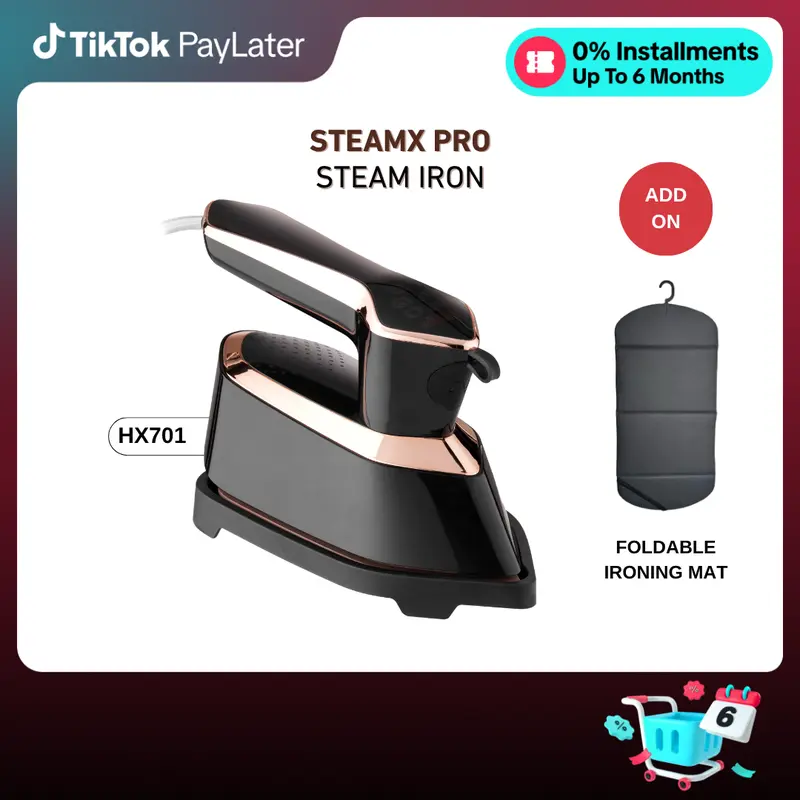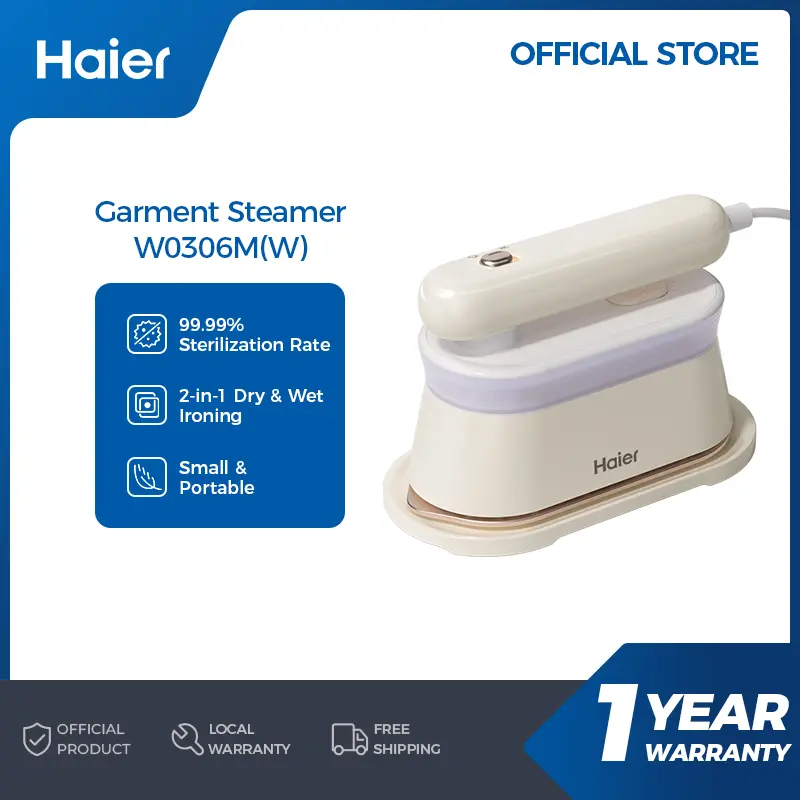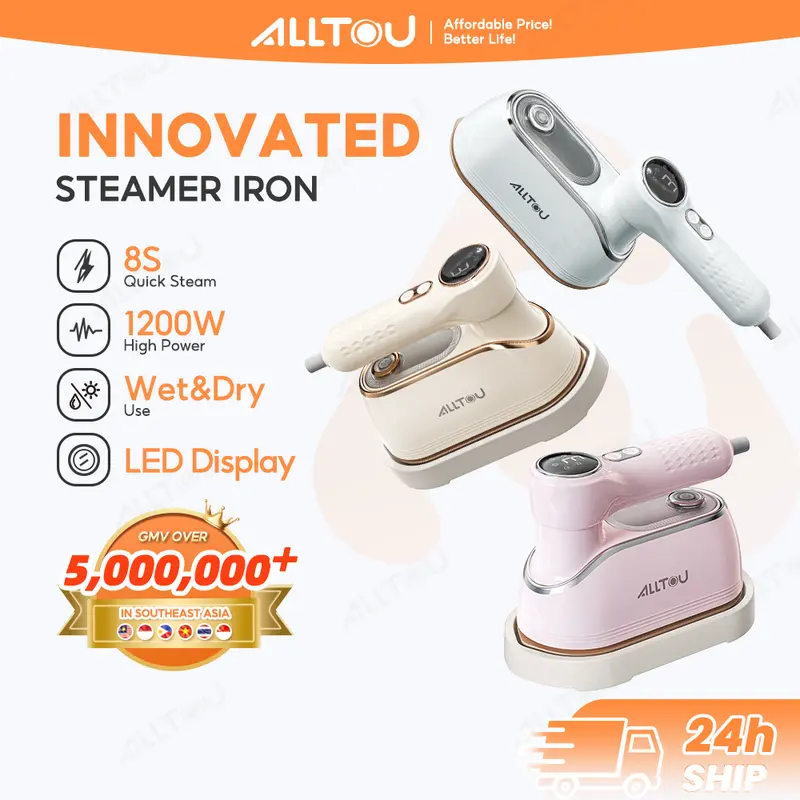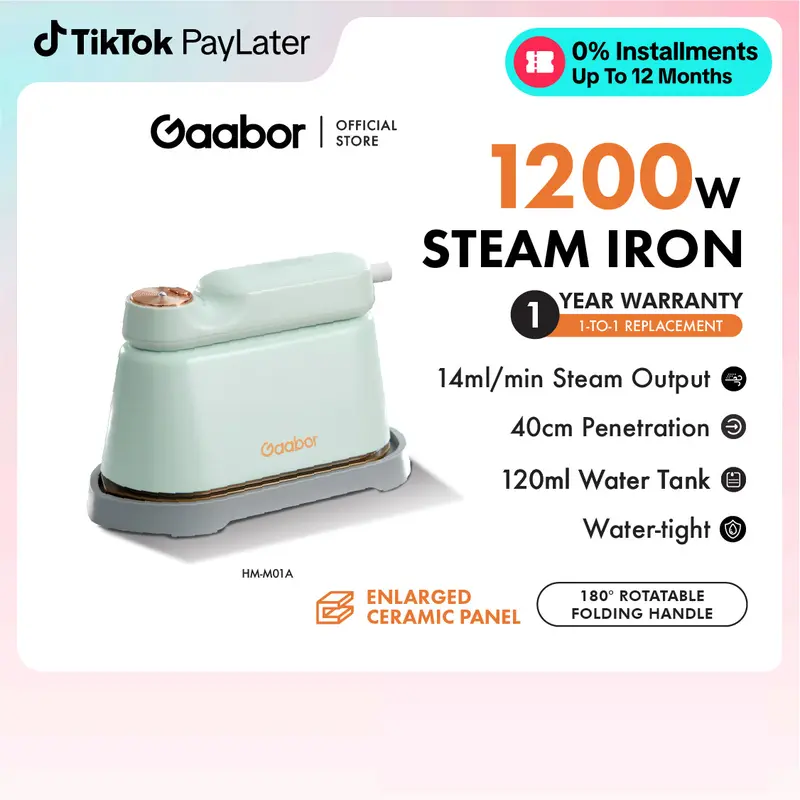













Steam relaxes the fibres in cloth so creases fall out under their own weight. That is the whole mechanism, and it explains both what a wrinkle steamer does well and where it struggles. Heat plus moisture softens the fibre structure; gravity does the rest. No pressure plate flattens the fabric, so there is no sharp crease and no scorch risk from direct contact.
Malaysia's climate adds a practical wrinkle. Humidity keeps fibres slightly damp, which helps steam work faster, but it also means stored clothing can crease again quickly after treatment. A garment steamed in the morning and folded into a bag may need attention again by afternoon.
Wrinkle Steamer Basics and How Steam Lifts Creases
Three things happen at once when steam meets fabric. Water vapour penetrates the fibre, heat loosens the bonds that hold a crease in place, and the weight of the hanging garment pulls the fibres straight as they cool and dry. The result is a softened, relaxed surface rather than a pressed one.
That difference matters. An iron presses fibres flat with heat and weight, producing a crisp edge. A wrinkle steamer lifts and relaxes them, producing a softer finish. Neither is better in every case; they solve different problems.
Steam also reaches places an iron cannot. Shoulder seams, gathered waists, pleats, beaded panels, and the inside of a lined jacket all respond to steam because nothing needs to sit flat against a board. This is why steamers are common in retail and wardrobe care, where garments hang and cannot be laid out.
What the steam actually does to a crease
A crease is a memory. Fibres bent and held in one position keep that shape until heat and moisture let them move again. Steam supplies both, and the fabric's own weight supplies the pull. Once the garment cools in a hanging position, the new shape sets.
This is also why timing matters. Fabric that is steamed and then immediately folded or packed can re-crease before it cools. A short pause on the hanger does more for the finish than a second pass with the steamer.
What a Wrinkle Steamer Handles Well in Daily Use
Steam suits garments that hang naturally and fabrics that respond to moisture. It is less suited to items that need a sharp pressed edge or that hold a crease by design.
Good candidates include office shirts and blouses, baju kurung and baju Melayu sets, dresses, scarves, light jackets, and curtains that are already hanging. School uniforms and work uniforms also respond well when they are steamed on a hanger rather than laid flat.
Poor candidates include heavily starched items, where steam can soften the finish the starch was meant to create, and structured tailoring that needs a pressed line down the front of a trouser leg. Starch and steam pull in opposite directions.
Home use versus travel use
A wrinkle steamer for home use can be larger, with a bigger tank and a longer continuous run before refilling. A travel steamer trades tank size and steam duration for weight and packability, which means more refills for the same wardrobe.
Travel models also raise a voltage question. Appliances built for one voltage standard may not run correctly on another without a suitable converter, and the supplied evidence does not confirm voltage specifications for any model. That check belongs with the manufacturer's documentation for the specific unit.
Wrinkle Steamer Features Worth Comparing Before Buying
Most buying decisions come down to four trade-offs: how fast the unit heats, how long it runs on one fill, how much it weighs in the hand, and how easy the tank is to empty. None of these can be confirmed from the available evidence for any specific model, so they are questions to put to the retailer or manufacturer rather than figures to assume.
Steam output and wattage are related but not identical. A higher wattage figure does not automatically mean better crease removal if the steam escapes too quickly or the head is poorly shaped. Tank capacity and detachability matter more for anyone steaming several garments in one session, because a small fixed tank means stopping to refill mid-task.
Weight becomes a real constraint during longer sessions. A unit that feels light in a shop can feel heavy after ten minutes held above shoulder height. Handle shape and balance affect this as much as the number on the box.
- Confirm the fabric is suitable for steam before treating it, and check the care label for any heat or moisture restriction.
- Check the water tank capacity and whether it detaches, since a small fixed tank means refilling between garments.
- Ask how long the unit takes to reach steaming temperature, because heat-up time sets how quickly a garment can be finished.
- Plan the water source, as mineral-heavy tap water can leave deposits inside the unit over time.
- Match the size to the routine, choosing a compact travel unit for packing and a larger tank for a full wardrobe at home.
- Test on a hidden area of the garment first, particularly on dark or delicate fabrics where water spotting shows.
Wrinkle Steamer Care, Water, and Fabric Notes
Water quality is the most common cause of steamer problems. Minerals in hard water collect inside the heating element and the nozzle over repeated use, which reduces steam output and can leave marks on fabric. Distilled or filtered water reduces that buildup, though the manufacturer's guidance for a specific unit should take priority.
Emptying the tank after use limits standing water and mineral concentration. Letting a unit cool before storage protects the internal components and avoids trapping moisture in the housing.
Fabric care follows the same logic as any heat treatment. Delicate fibres, embellished surfaces, and anything with a care label restricting heat or moisture should be tested in an inconspicuous area first. Where a garment is labelled dry clean only, steam treatment at home carries risk that a professional clean does not.
For garments that need more than a quick refresh, Sinar Saredah Sdn Bhd provides laundry, dry cleaning and pressing in Kuching and Miri, with 38+ years serving Sarawak. Pressing-only service covers items such as shirts, trousers, blouses, coats and dresses, and dry cleaning covers structured pieces including suits, baju kurung, saree and jackets. That route suits garments where a pressed finish or specialist handling matters more than a quick pass with steam.
Questions Readers Ask Most
Does a work as well as an iron
It works differently rather than better or worse. Steam relaxes fibres and lets the hanging garment fall straight, which suits soft fabrics and hard-to-press areas. An iron presses fibres flat, which suits crisp edges and starched finishes. Many wardrobes benefit from both.
Can a damage clothes
Damage is uncommon when the care label allows heat and moisture, but risk rises with delicate fibres, embellished surfaces, and prolonged contact in one spot. Testing a hidden area first is the simplest precaution.
Is tap water acceptable in a
Tap water works, but mineral content builds up inside the unit over time. Distilled or filtered water reduces deposits and helps the appliance hold its steam output for longer.
How should a be stored between uses
Empty the tank, allow the unit to cool fully, and store it upright. Leaving water in the tank encourages mineral concentration and standing moisture inside the housing.
Summary and Practical Next Checks
The decision comes down to fabric and finish. A wrinkle steamer suits garments that hang, fabrics that respond to moisture, and routines where speed matters more than a pressed edge. It is a poor fit for starched items and structured tailoring that needs a defined crease line.
Before buying, confirm heat-up time, tank capacity, unit weight and water requirements with the retailer, since none of those figures are verifiable from general sources. Before using, check the care label and test a hidden area. Where a garment needs professional handling, Sinar Saredah Sdn Bhd can be reached at 0176325699 for laundry, dry cleaning and pressing in Kuching and Miri.