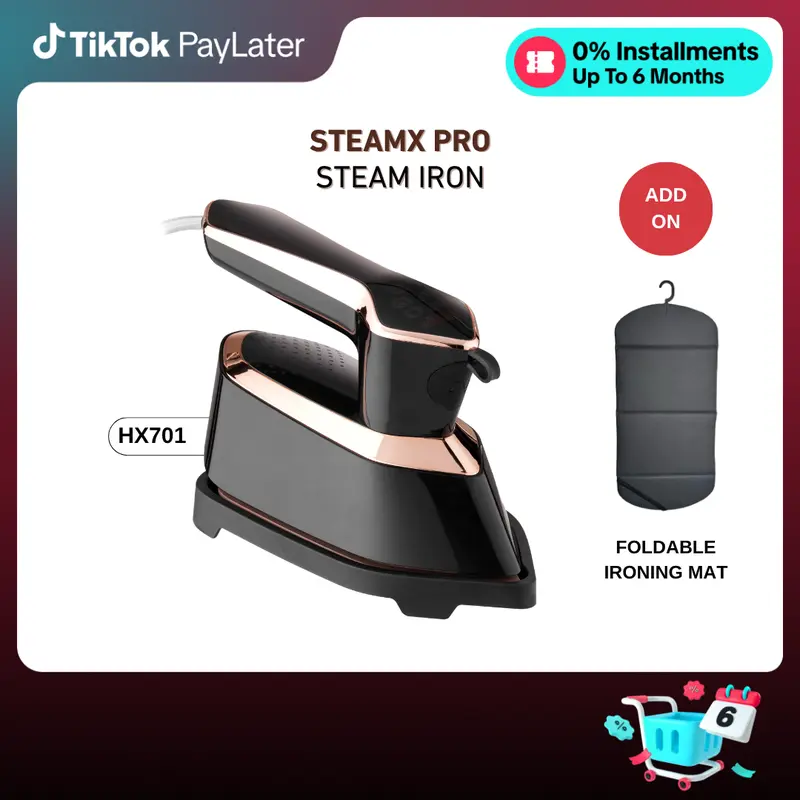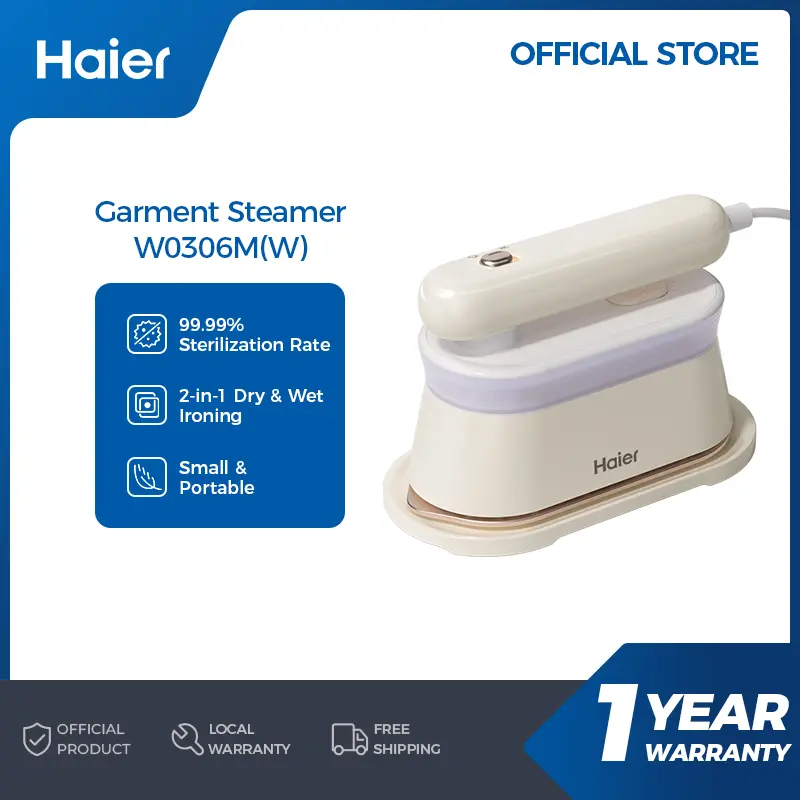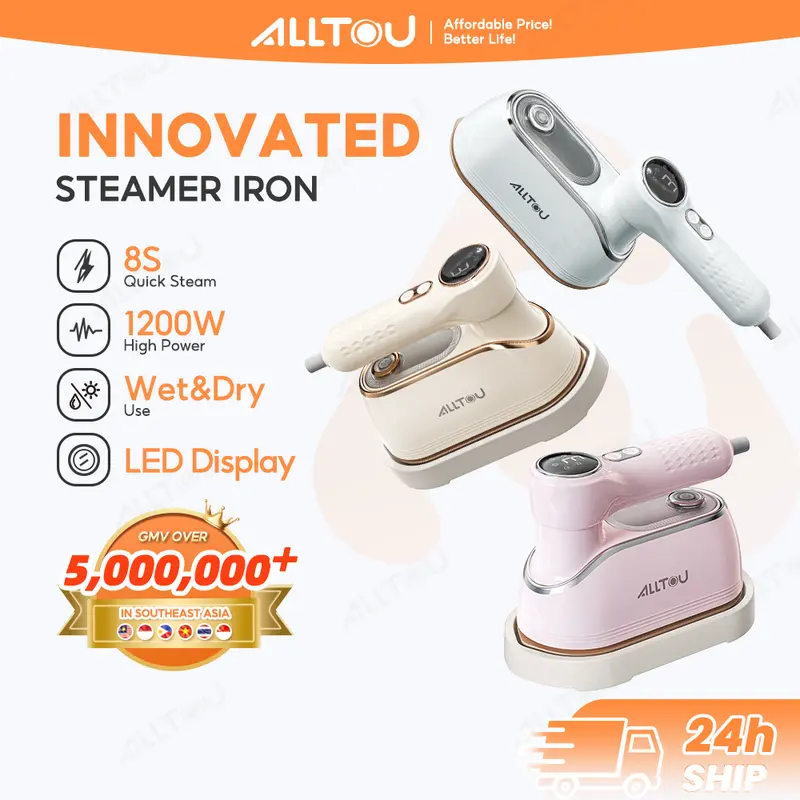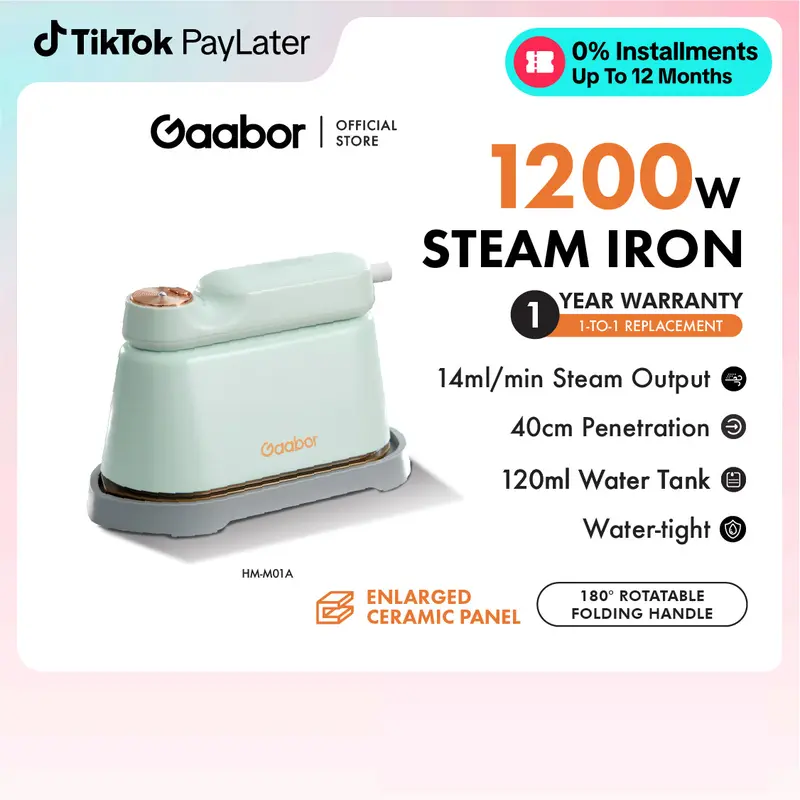











The question is not whether a steamer needs water. It is which water keeps the boiler, heating element, and steam vents working the way the manual describes. Distilled water for steamer tanks sits at one end of a spectrum that also includes demineralized water, filtered water, tap water, and well water. Each behaves differently once it is heated.
This page sets out what the available evidence supports, where sources disagree, and which claims cannot be confirmed from the material reviewed.
Distilled Water For Steamer. The Water Question In Short
Manufacturer support pages and water-treatment suppliers broadly agree that distilled water is the preferred fill for steam irons and garment steamers. The reasoning is consistent across sources: distillation removes the dissolved minerals that would otherwise remain in the appliance after the water turns to steam.
That agreement is not universal. One steam-cleaner supplier argues the opposite, warning that distilled water can be acidic and can interfere with a low-water sensor that relies on mineral content to detect the water level. That position is a genuine minority view in the material reviewed, and it is worth stating plainly rather than smoothing over.
The practical reading is that most appliance guidance favours distilled water, while at least one equipment supplier recommends against it for specific machines. The manual for the individual unit remains the deciding document.
Why Mineral Content In Water Matters To A Steamer
A steamer converts water to vapour and releases it through vents or a soleplate. Minerals dissolved in the water do not travel with the vapour. They stay behind.
Over repeated use, those residual minerals accumulate as scale, also called limescale. Scale builds on the heating element, inside the boiler, and around the narrow passages that steam must pass through. The consequences described across the reviewed sources are consistent: reduced steam output, longer heat-up, blocked vents, and a shorter working life for the appliance.
Hard water carries more dissolved mineral content than soft water, so the rate of accumulation depends on the local supply. That is why two households using the same steamer model can see very different build-up over the same period.
Scale is not the only concern. Residual minerals can also be carried onto fabric as spotting or discolouration, particularly on light-coloured garments. Water-treatment sources list staining and odour among the reasons to avoid mineral-heavy water in irons and steamers.
What the evidence does not quantify
No source reviewed for this page states the mineral content, pH, or conductivity of any specific water type. No source states a descaling interval, a dilution ratio, or a mixing proportion. Those figures are absent from the material, so they are not asserted here.
Distilled Water For Steamer Compared With Tap, Filtered, And Demineralized Water
The water types a reader is likely to encounter differ in how they are produced and in what they leave behind. The list below states only what the reviewed sources support.
- Distilled water — produced by boiling water into vapour and condensing it, leaving dissolved minerals behind. Manufacturer guidance and water-treatment suppliers generally name it as the preferred fill for steam irons and garment steamers.
- Demineralized water — mineral content is removed by a treatment process rather than by distillation. Manufacturer support material groups demineralized water with distilled water as an acceptable option for steam appliances.
- Filtered water — passes through a filter that reduces some contaminants. Filtering is not the same process as distillation or demineralization, and the reviewed sources do not treat filtered drinking water as equivalent to distilled water for steam appliances.
- Tap water — the default fill in most homes. Its mineral content varies by supply. Manufacturer guidance and water-treatment sources associate tap water with mineral build-up inside steam appliances over time.
- Well water — drawn from the ground rather than a treated mains supply. Water-treatment sources place well water alongside tap water as a mineral-bearing source that can leave deposits and, in some cases, odour.
One further category appears in the reviewed material: water with additives. Perfumed water and similar products are named in manufacturer guidance as something to avoid in a steam appliance, because the added substances can leave residue in the tank and pass into the steam path.
A note on the contested position
The steam-cleaner supplier that argues against distilled water raises two specific points. The first is acidity, with the claim that distilled water can corrode metal components. The second is that a low-water sensor may depend on minerals in the water to register the level, so mineral-free water could cause the sensor to misread.
Those claims come from a single supplier page in the reviewed set. They are reported here as that source's position, not as a settled finding. A reader whose machine uses a mineral-sensing water level indicator has a specific reason to check the manual before choosing a fill.
What Manufacturers And Retail Listings Actually State
Manufacturer support material reviewed for this page recommends distilled or demineralized water for steam irons and garment steamers, and advises against perfumed water and other additives. The stated purpose is to prolong appliance lifespan and to avoid the build-up that degrades steam performance.
A separate manufacturer FAQ answers the distilled-water question directly, stating that only distilled water should be used with the steamer to prevent mineral build-up within the unit.
Retail listings tell a different story about what is actually sold. A search-results page for distilled water aimed at steamers returns a large volume of bottled distilled water, much of it marketed for CPAP machines and humidifiers rather than for garment care. Demineralized water products appear in the same results, marketed specifically for steam mops and floor steamers. The listings show that both water types are commercially available for steam appliances, but they do not establish which one a given manufacturer approves.
No source reviewed states a manufacturer-approved water specification for any named steamer model, and no source states a warranty consequence of using non-distilled water. Those two gaps matter, because warranty terms are the point at which water choice stops being a maintenance preference and becomes a commercial risk.
. Practical Handling And Storage
Water choice is only part of the routine. How the water is handled between fills affects whether the benefit is realised.
Keep the tank filled to the level the manual indicates rather than to the brim. Overfilling can push water into the steam path before it has vaporised. Empty the tank after use rather than leaving water standing in it, since standing water is the condition in which residue and odour develop. Store distilled water in its sealed container and keep the container clean, because an open container can pick up dust and contaminants that defeat the purpose of using purified water.
Descaling remains part of ownership regardless of water type. The reviewed sources describe descaling and tank cleaning as maintenance tasks, but none states a frequency or interval, so no schedule is asserted here. The manual is the source for that.
For households that steam garments regularly, the volume of distilled water consumed adds up. Buying in larger containers reduces the frequency of restocking, and demineralized water marketed for steam appliances is an alternative where a manufacturer accepts it.
Where professional cleaning fits
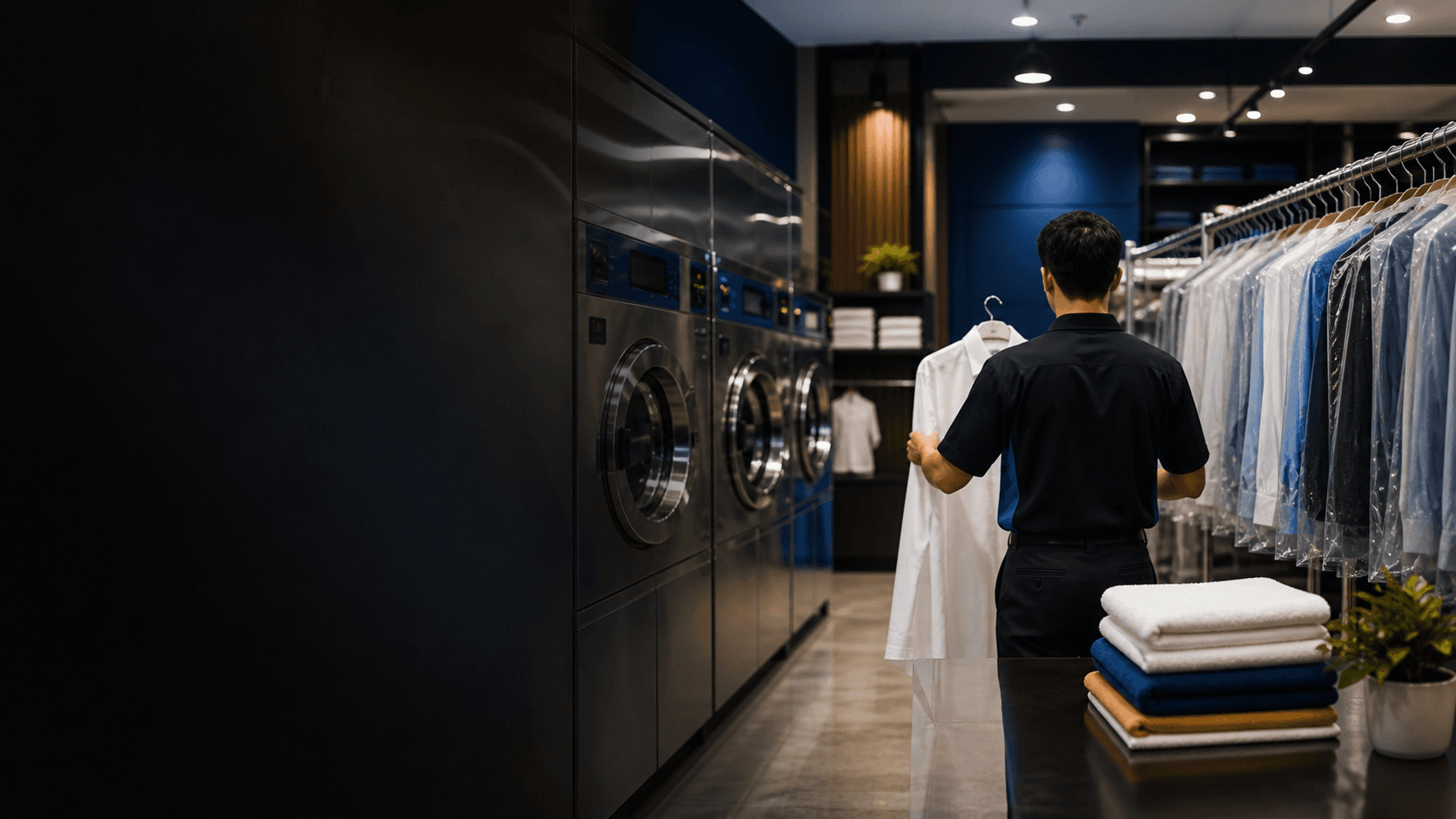
Some garments are better handled by a cleaning service than by a home steamer, particularly structured pieces, heavily soiled items, and fabrics where heat and moisture carry risk. Sinar Saredah Sdn Bhd provides laundry and dry cleaning in Kuching and Miri, with 38+ years serving Sarawak, and publishes per-item pricing for wash, iron, pressing, and dry cleaning work. Wedding gown cleaning starts at RM 80 for smaller gowns, and curtain cleaning is priced at RM 40 per kilogram. The company can be reached at 0176325699.
That service is a different proposition from filling a steamer tank. It is relevant when the garment, not the appliance, is the constraint.
What This Page Cannot Confirm
Several questions a reader may bring to this topic cannot be answered from the evidence reviewed, and stating that limit is more useful than filling the gap with assumption.
No source states the mineral content, pH, or conductivity of any specific water type, so no comparison of water types on those measures is offered. No source states a manufacturer-approved water specification for any named steamer model, so no model-specific recommendation is made. No source states a descaling interval, water ratio, or mixing proportion. No source states a price, availability, or retail stock position for distilled water in Malaysia. No source states a warranty consequence of using non-distilled water.
The disagreement between the majority manufacturer position and the minority supplier position is also unresolved in the reviewed material. A reader weighing the two should treat the appliance manual as the authority for that specific unit, and should treat both the pro-distilled and anti-distilled arguments as positions held by identifiable sources rather than as settled fact.
What can be said with confidence is narrower and more useful: distilled water for steamer use is the fill most manufacturer guidance names, mineral content is the reason given, and scale accumulation is the mechanism that connects water choice to appliance performance over time.