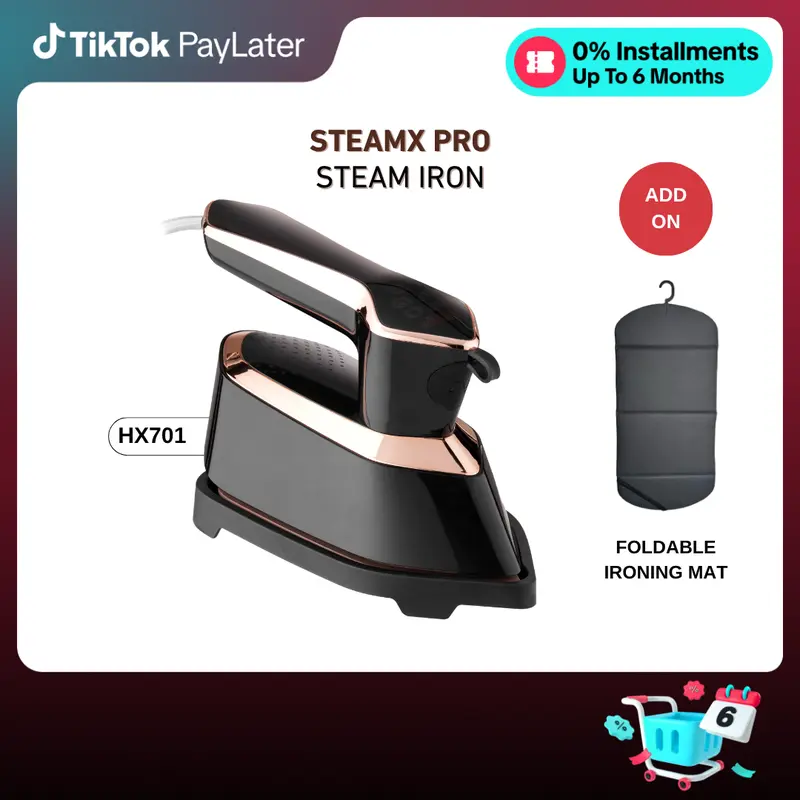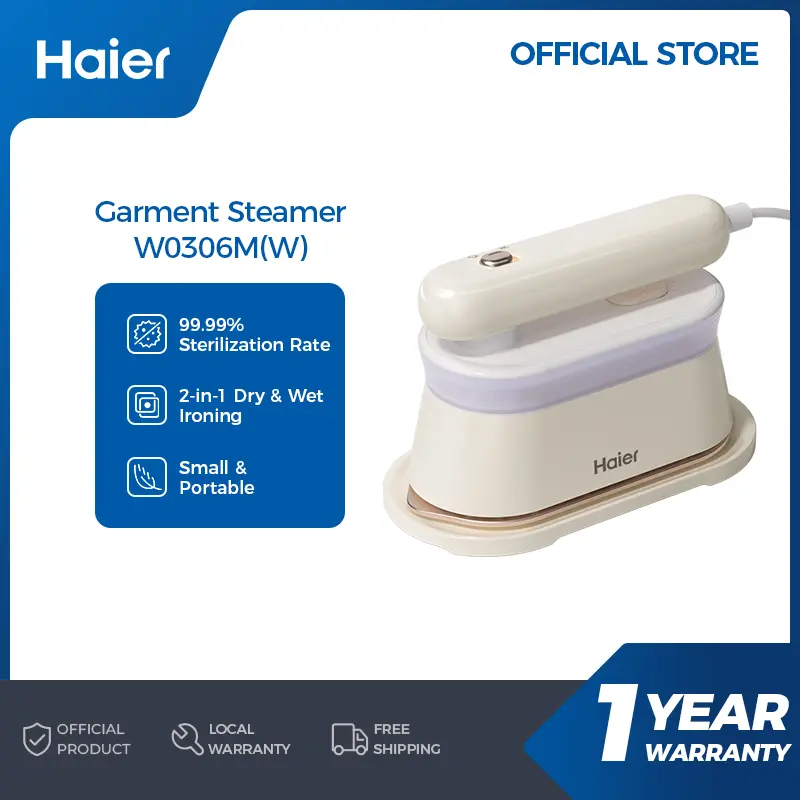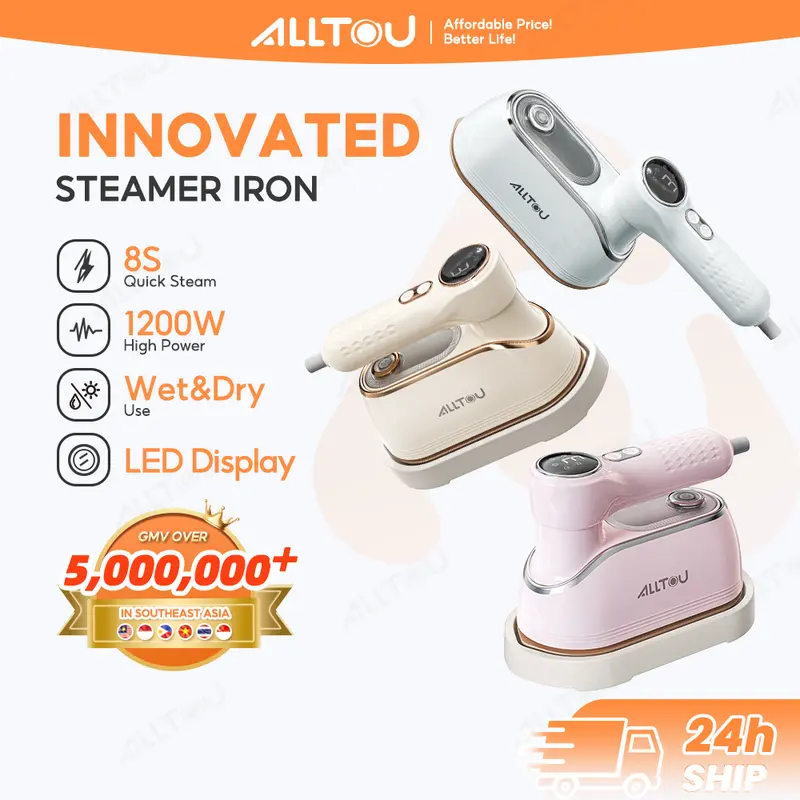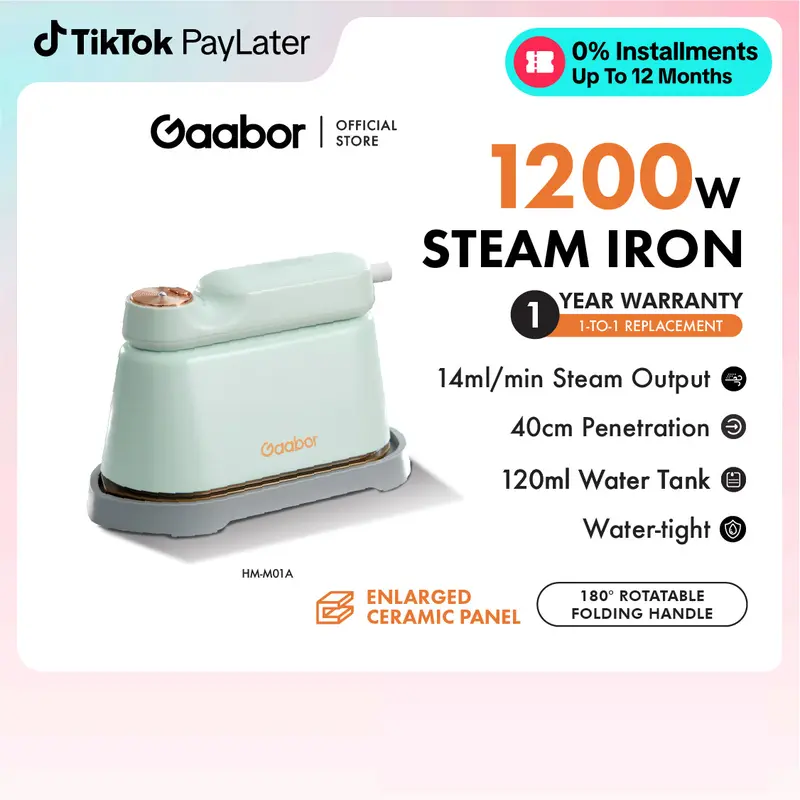











The shortlist question is not really about brand names. It is about which specifications matter for how a person actually gets dressed in the morning, and which numbers on a product page are worth reading before anything else. That is the frame this page uses.
Best Handheld Steamer for Clothes: How the Shortlist Was Built
Most published roundups of the best handheld steamer for clothes are built on lab testing, and lab testing is expensive. Consumer Reports tested handheld steamers from Black+Decker, Chi, Conair, Jiffy, and Nori for its 2026 review. Good Housekeeping ran handheld and upright steamers through its Home Care & Cleaning Lab. Those are real testing programmes with real equipment.
This page does not have that. No handheld steamer has been measured here, and no wattage, heat-up time, tank capacity, continuous steam time, weight, or cord length figure is reproduced from a competitor's test bench. Repeating another publication's measurements as if they were verified here would be a fabrication, and it would also be useless, because a specification only means something when it is read against the manufacturer's own documentation for the exact model being considered.
What this page can do is set out the comparison framework. The ordered list below is the sequence that separates a steamer that gets used from one that ends up in a cupboard.
- Heat-up time. How long the unit takes to produce usable steam from cold. This is the single biggest factor in whether a steamer gets used on a rushed morning.
- Water tank capacity. A larger tank means fewer refills but more weight in the hand. A smaller tank is lighter but runs dry mid-garment.
- Continuous steam time. The realistic working window per fill, which is usually shorter than the tank size suggests once the unit is angled downward.
- Weight when full. Dry weight is the number on the box. The number that matters is dry weight plus a full tank, held at arm's length.
- Corded or cordless. Corded units run indefinitely but need a socket nearby. Cordless units trade runtime for freedom of movement.
- Attachments. Fabric brushes, crease tools, and lint pads change what a single unit can handle, particularly on structured garments.
- Voltage and plug compatibility. A unit bought for a 110-volt market needs a step-down transformer to run safely on Malaysia's 240-volt supply, and that is a separate purchase.
Two of those seven points are frequently skipped. Weight when full is the one that decides whether a steamer is comfortable for a whole outfit rather than one shirt. Voltage is the one that decides whether an imported bargain works at all.
Handheld Steamer For Clothes Compared: Heat-Up, Tank, and Steam Output
The comparison table below is deliberately empty of figures. Every cell that would normally carry a heat-up time, a tank capacity in millilitres, a continuous steam duration, a weight in grams, or a corded-versus-cordless label requires the manufacturer's own specification sheet for that exact model, and none has been supplied here.
| Model | Heat-up time | Water tank capacity | Continuous steam time | Weight | Corded or cordless |
|---|---|---|---|---|---|
| Model A | |||||
| Model B | |||||
| Model C |
An empty comparison table is more honest than a filled one built from secondhand claims. The structure is what carries over: read heat-up time first, tank capacity second, and continuous steam time third, because those three determine whether the unit fits a real routine. Weight and cord type are comfort and logistics questions that come after.
One practical note on tank capacity. Manufacturers quote tank volume in millilitres, but the usable steam window is shorter than the volume implies, because most handheld units must be held upright or near-upright to draw water properly. A garment steamed on a hanger with the unit angled downward will run dry sooner than the tank figure suggests. That gap between quoted capacity and real working time is the most common source of disappointment in handheld steamers, and it is not visible on a specification sheet.
What the numbers actually tell a buyer
Heat-up time is a convenience figure. A unit that reaches temperature quickly suits one garment before leaving the house. A slower unit suits a planned session where several pieces are steamed in sequence.
Tank capacity is a volume figure, and volume translates into weight once filled. A larger tank is not automatically better, because the extra water is carried in one hand.
Continuous steam time is the figure that determines how many garments a single fill covers. It is also the figure most affected by how the unit is held.
What Separates a Handheld Steamer From a Travel Steamer
The two categories overlap heavily, and the naming is often marketing rather than engineering. A travel steamer is generally built around portability: smaller tank, lighter body, sometimes dual voltage for use abroad. A handheld steamer for clothes used at home can afford a larger tank and a longer cord because it does not need to fit in a suitcase.
The trade-off runs in one direction. Portability costs capacity and runtime. A unit small enough to pack is also a unit that needs refilling more often, which is fine for one shirt after a flight and frustrating for a week of office wear.
Dual voltage is the feature that genuinely separates the two categories for anyone buying across markets. A travel steamer with a dual-voltage switch can run on both 110-volt and 240-volt supplies. A single-voltage unit cannot, regardless of how it is marketed.
For a buyer in Malaysia, the practical question is whether the unit is intended for the local 240-volt supply. A steamer designed for another market and imported without a compatible power arrangement is a paperweight with a plug on it.
Fabrics a Handheld Steamer Handles Well, and Fabrics to Avoid
Steam works by relaxing fibres with heat and moisture, then letting the garment dry in shape. That mechanism suits some materials far better than others, and the difference is about fibre structure rather than garment price.
Materials that generally respond well to steam include cotton, linen, wool, and most synthetics and blends, because the fibres tolerate moisture and the weight of the garment helps the creases fall out as it dries.
Materials that need caution include anything with a surface finish that water can mark, and structured garments with interfacing or padding that can distort when saturated. Delicate embellishments, beading, and glued seams are also poor candidates for direct steam.
No primary textile-care or appliance-safety source has been supplied here for fibre-by-fibre guidance, so the specific tolerances for individual fabrics are not stated. The safe general practice is to test on an inside hem or a hidden seam before steaming a visible panel, and to check the garment's own care label, which is the manufacturer's instruction for that specific piece.
Steaming versus ironing, in plain terms
An iron presses fibres flat with a hot plate and direct contact. A steamer lifts fibres with moisture and heat without touching the fabric. That difference is why steam suits garments that cannot be pressed flat, such as a structured blazer, a draped dress, or anything with a surface that a hot plate would flatten or shine.
An iron still produces a sharper crease on a cotton shirt or a pair of trousers. Steam refreshes and relaxes. It does not replace a pressed finish where a pressed finish is the point.
Care Storage and Longevity
A steamer that is emptied and dried after each use lasts considerably longer than one that is left full. Standing water in a heated appliance is the main cause of mineral build-up and the stale smell that follows it.
The routine that keeps a unit working is short. Empty the tank after use. Leave the cap off so the reservoir dries. Wipe the soleplate or steam head once it has cooled. Store the unit upright rather than on its side, so any residual moisture drains away from the heating element rather than pooling against it.
Water quality matters more than most buyers expect. In areas with hard water, minerals accumulate inside the reservoir and eventually block the steam path. Using distilled or filtered water reduces that build-up, and descaling according to the manufacturer's instructions clears what has already formed.
Storage is the other longevity factor. A steamer stored in a cupboard with the cord wrapped tightly around the body stresses the cord at the entry point, which is a common failure. Loose coiling avoids it.
When steaming is not the right tool
Steam is a poor fit for garments that need cleaning rather than refreshing. Odour, stains, and body oils are not removed by steam, and steaming a soiled garment can set a mark rather than lift it. Those pieces need washing or dry cleaning, not a pass with a handheld unit.
Steam is also the wrong choice for anything the care label says cannot take moisture, and for garments with a finish that water spots.
Where Handheld Steaming Fits Alongside Laundry and Dry Cleaning
Steaming and laundry solve different problems. Steaming relaxes creases in a garment that is already clean. Laundry and dry cleaning remove soil, odour, and marks, and restore shape to structured pieces that a handheld unit cannot handle.
For a household in Kuching or Miri, the two routines sit alongside each other rather than competing. A shirt worn once and still clean is a candidate for a quick steam. A shirt worn through a working day is a candidate for washing. A structured blazer, a baju kurung with embellishment, or a gown with delicate construction is a candidate for professional care, because those are the garments where a handheld steamer is most likely to cause damage rather than remove a crease.
Sinar Saredah Sdn Bhd has provided laundry and dry cleaning in Kuching and Miri for over 38 years, with published per-piece rates for wash, iron, and fold, pressing only, and dry cleaning across garments including shirts, trousers, dresses, baju kurung, sarees, and jackets. Those services cover the cleaning and finishing work that a handheld steamer cannot do. The published rates exclude 8% SST.
The division of labour is straightforward. A handheld steamer handles the last-minute crease on a clean garment. Laundry and dry cleaning handle everything that needs to be cleaned, pressed to a sharp finish, or treated with care because of its fabric or construction.
For households that want the cleaning and pressing handled rather than done at home, Sinar Saredah can be reached on 0176325699.