











Malaysian households press a demanding mix: school uniforms, work shirts, baju kurung, and cotton bedding, often in humid conditions where damp fabric lingers. That mix rewards a steam iron with a reliable water tank and a soleplate that glides rather than drags. The sections below cover what to compare before buying, how each feature behaves in daily use, and when sending items to a laundry service makes more sense than pressing them at home.
Best Iron For Clothes. What Malaysian Buyers Compare
Most buyers weigh five things. steam output, soleplate material, corded or cordless design, water tank handling, and weight. Wattage sits behind all of them because it drives heat-up speed and steam production. None of these can be judged from a single number, so the practical approach is to decide which fabrics dominate the household and buy for those.
A useful pre-purchase sequence looks like this:
- List the fabrics pressed most often, such as cotton uniforms, synthetics, or linen.
- Decide whether continuous steam matters more than burst steam for stubborn creases.
- Check the soleplate material for glide and scratch resistance.
- Compare corded and cordless designs against the size of the pressing area.
- Confirm the water tank can be filled and emptied without spilling.
- Weigh the iron against the length of a typical pressing session.
- Check the label or product page for fabric temperature settings and anti-drip features.
Buyers who press only a few shirts a week need less steam capacity than a household pressing uniforms for several children every evening. That difference, more than brand, decides whether a purchase feels adequate or frustrating.
Steam Output And Water Tank Handling
Steam does most of the wrinkle-removing work on cotton and linen, while the soleplate's heat sets the fabric flat. Continuous steam suits large flat areas such as bedsheets and tablecloths. A burst of steam suits collars, cuffs, and creases that resist steady pressure.
Water tank design affects how often pressing stops. A small tank means frequent refilling, which interrupts long sessions. A larger tank adds weight, so the trade-off is between fewer interruptions and a heavier tool. Anti-drip features matter when pressing at lower temperatures, because water that escapes as droplets can mark synthetics.
Water quality is a maintenance issue rather than a performance one. Minerals in tap water accumulate inside the steam chamber over time, and manufacturers typically publish their own guidance on acceptable water types and descaling. Following the manufacturer's instructions protects the appliance; ignoring them shortens its working life.
Soleplate Materials And Fabric Contact
The soleplate is the surface that touches fabric, so its material shapes both glide and durability. Common options include non-stick coatings, ceramic, and stainless steel. Each behaves differently on starched cotton, delicate synthetics, and fabrics with printed finishes.
Non-stick surfaces glide easily and resist sticking, which helps with starch and light fabrics. Ceramic surfaces distribute heat evenly and tend to glide smoothly, though they can chip if dropped. Stainless steel resists scratching and handles high heat well, but it can drag on some fabrics and takes longer to cool.
Fabric temperature settings matter more than soleplate marketing. Delicate synthetics scorch at temperatures that cotton needs, so an iron with clear, graduated settings reduces the risk of damage. Buyers pressing mixed loads should prioritise accurate temperature control over any single soleplate claim.
Corded, Cordless, And Travel Iron For Clothes Options
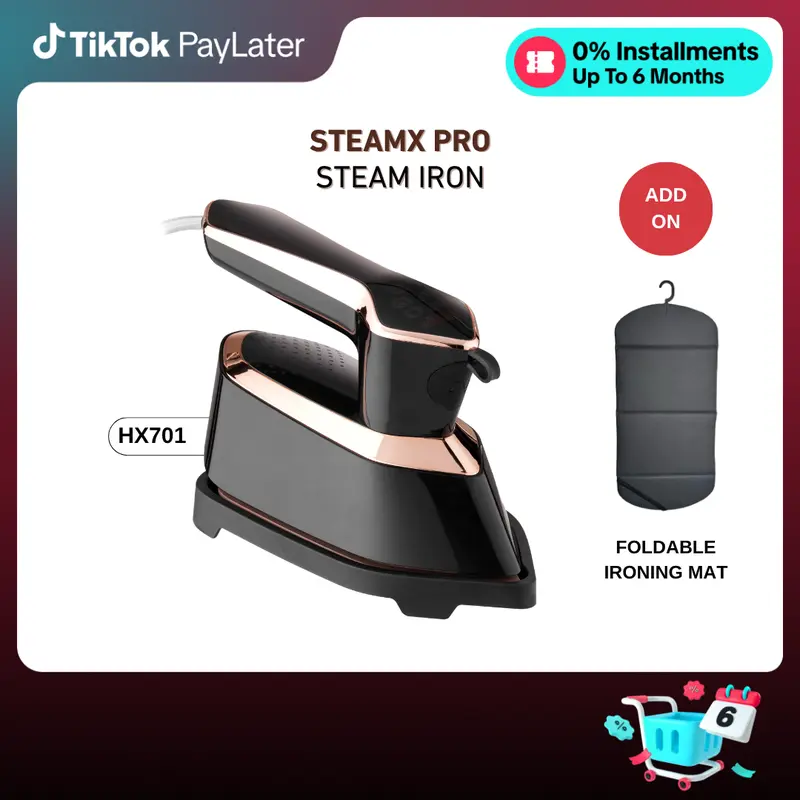
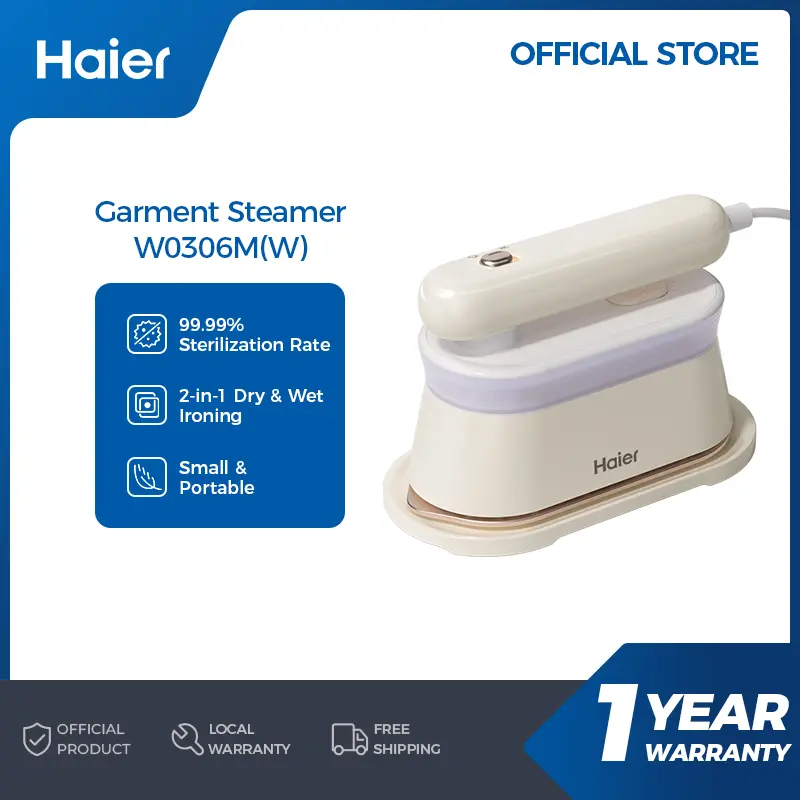
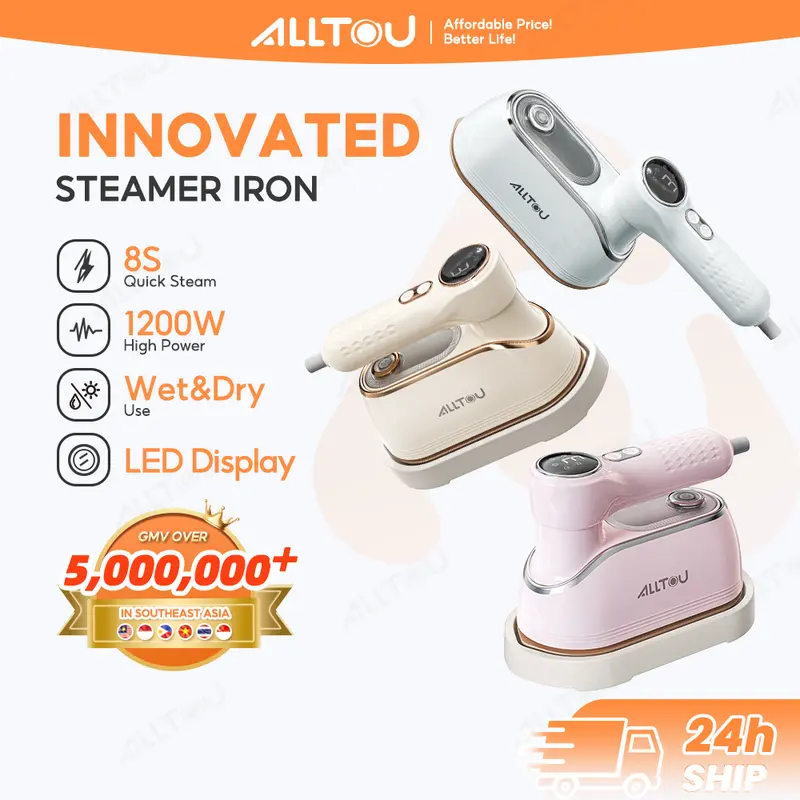
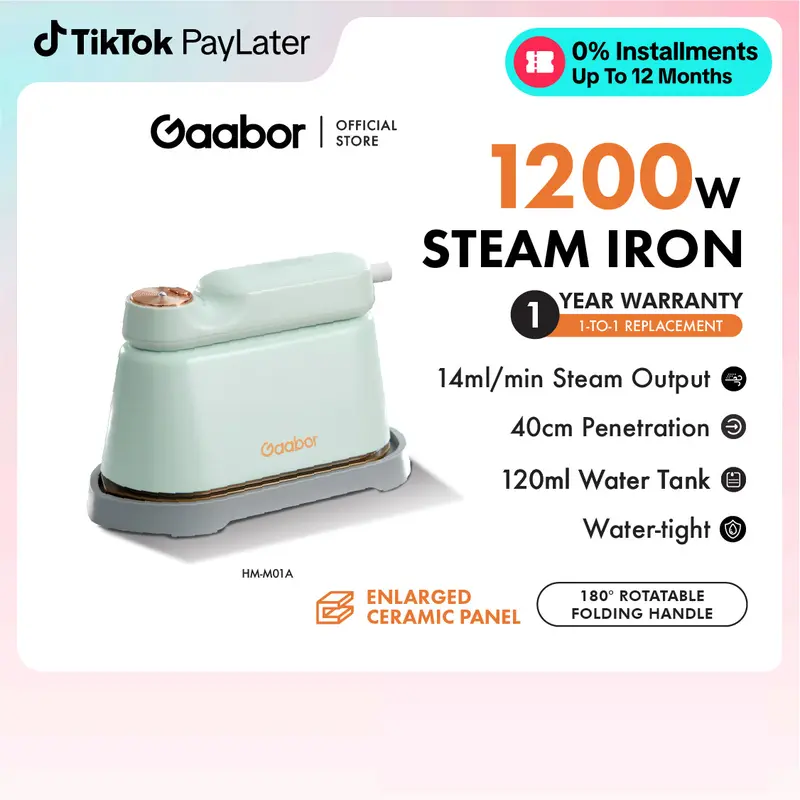
Corded irons draw continuous power, so they hold temperature and steam without interruption. Cordless irons sit on a heated base and lift off for use, which removes cord drag but returns to the base for reheating. Travel irons trade tank size and steam capacity for portability.
| Iron type | Typical use case | What to verify |
|---|---|---|
| Corded steam iron | Regular household pressing of uniforms, shirts, and bedding | Steam output, tank capacity, cord length, fabric temperature settings |
| Cordless iron | Small or awkward pressing areas where a cord gets in the way | Reheat time on the base, heat retention between lifts, base footprint |
| Travel iron | Occasional pressing, small living spaces, and trips | Tank size, dual voltage if applicable, weight, soleplate size |
| Garment steamer | Hanging garments, delicate fabrics, and quick touch-ups | Continuous steam time, water capacity, suitability for the fabric |
A garment steamer handles hanging items and delicate fabrics that a flat soleplate might mark, but it presses less crisply than an iron on cotton uniforms. Households pressing formal wear usually keep both tools rather than choosing between them.
Weight, Wattage, And Everyday Handling
Wattage determines how quickly an iron reaches temperature and how much steam it can generate. Higher wattage generally means faster recovery between garments, which matters during long sessions. It also draws more power, though that is rarely a constraint in Malaysian homes.
Weight is a genuine trade-off. A heavier iron presses fabric with less effort, which helps on thick cotton and linen. A lighter iron tires the wrist less during long sessions and suits buyers who press frequently or have limited grip strength. Neither is universally better; the right choice depends on session length and fabric weight.
Handling details matter as much as headline figures. A comfortable grip, a stable heel rest, and controls reachable by thumb all reduce fatigue. Auto shut-off, where fitted, adds a safety margin for households that leave the iron unattended mid-session.
Iron For Clothes Care, Water, And Storage
An iron lasts longer when it is emptied after each use, stored upright, and cleaned according to the manufacturer's instructions. Leaving water in the tank encourages mineral build-up and, in humid conditions, odour inside the chamber.
- Empty the water tank after pressing and let the iron cool fully before storage.
- Wipe the soleplate only once it has cooled, using guidance from the manufacturer.
- Descale the steam chamber at the interval the manufacturer specifies.
- Store the iron upright on its heel rest, with the cord loosely wound rather than tightly coiled.
Some garments should not be pressed at home at all. Structured jackets, beaded or embellished pieces, wedding gowns, and heavily soiled uniforms carry a risk of scorching, shine, or damage that household pressing cannot undo. In Kuching and Miri, Sinar Saredah Sdn Bhd has provided laundry and dry cleaning services for more than 38 years, including pressing-only and wash, iron and fold options for items such as uniforms, baju kurung, and shirts. Households weighing a home iron against professional pressing can compare both routes on cost and fabric risk rather than assuming one always wins.
For buyers who press daily, the deciding factors are steam reliability, accurate temperature settings, and a tank that does not interrupt the session. For buyers who press occasionally, a lighter, simpler iron or a garment steamer covers most needs. Matching the tool to the actual fabric mix in the household produces a better result than chasing the highest specification on the shelf.