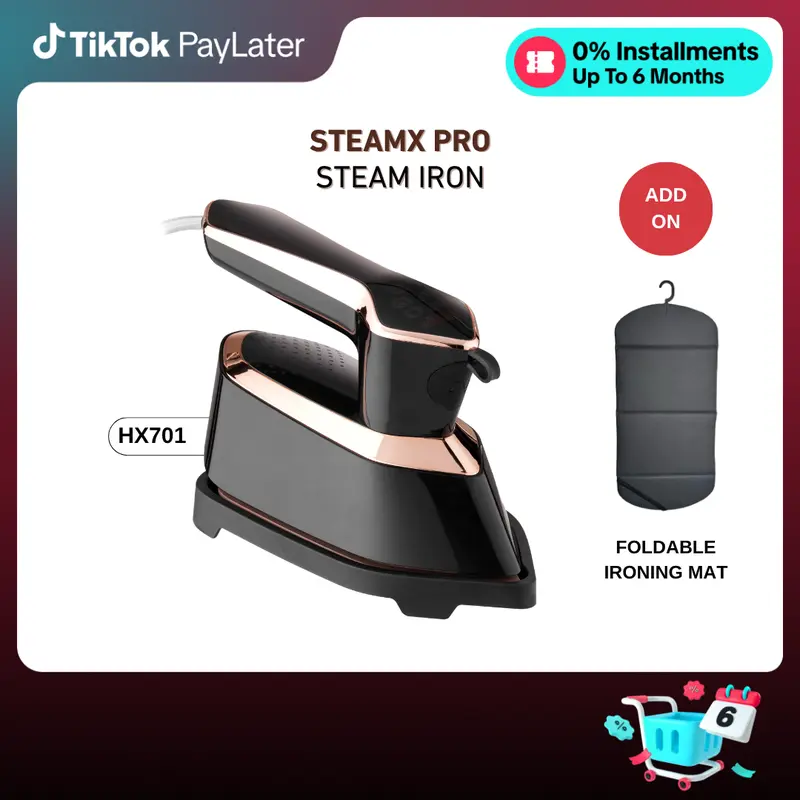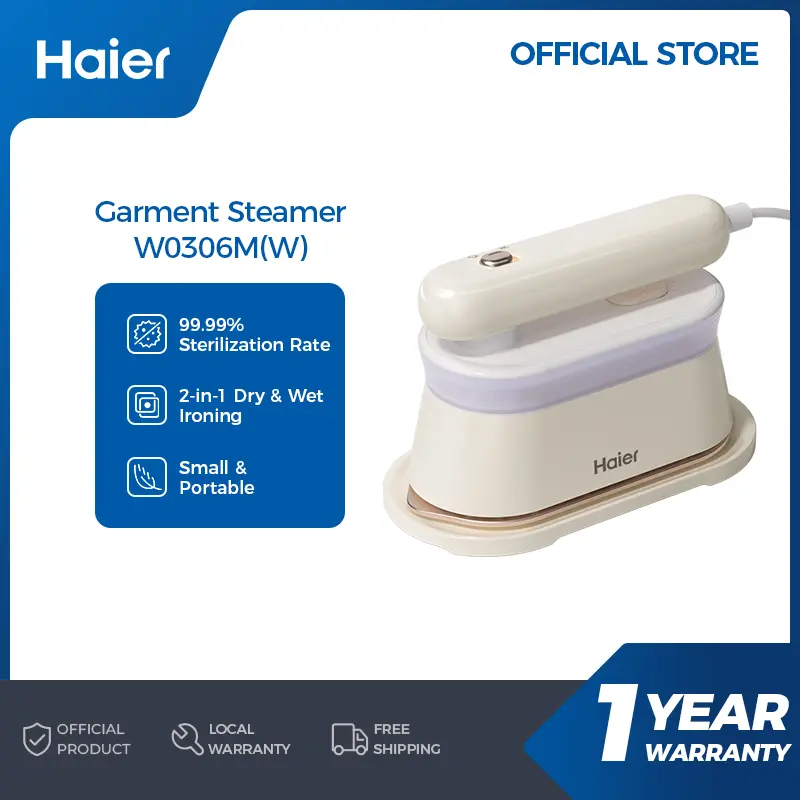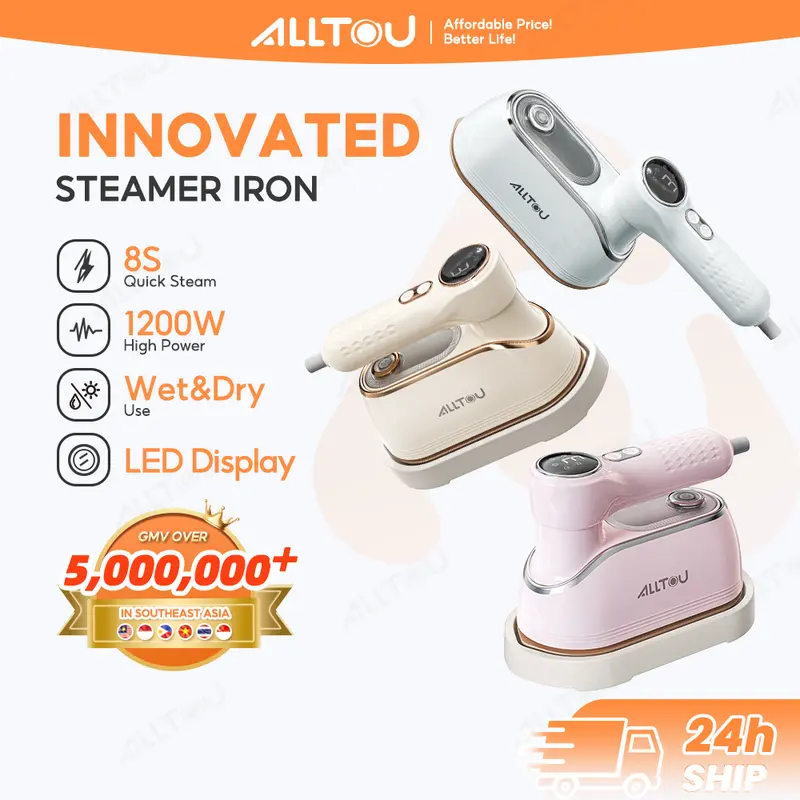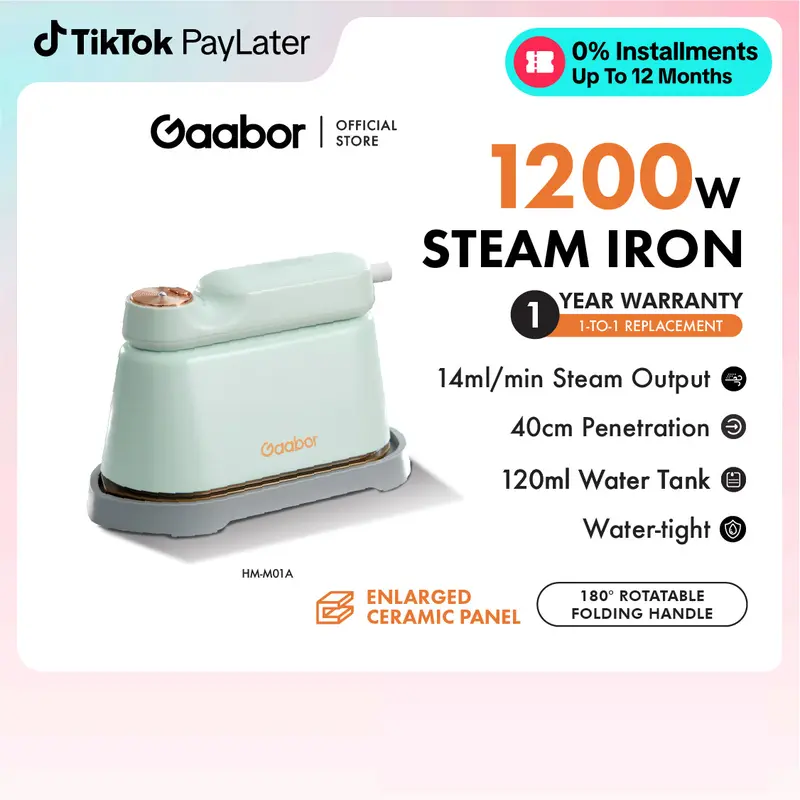






The Philips Clothes Iron category is not one appliance. It is a family of garment-care products that share a brand and a purpose, but differ in how steam is generated, how much water is carried, and how the unit is held during use. Buyers in Malaysia researching a Philips clothes iron usually meet the range through product catalogue pages, marketplace listings, and model detail pages rather than through explanatory articles, which is why the format differences are easy to miss.
What follows maps the formats, the specification fields worth confirming, and the official places to confirm them. No wattage, steam output, tank capacity, soleplate material, weight, or price is stated here, because those figures must come from Philips documentation for the specific model under consideration.
What the Philips Clothes Iron range covers
The range separates into three practical groups: corded steam irons, steam generator irons with a separate base, and handheld garment steamers. Each group solves a different problem, and the differences show up in daily use rather than on a specification sheet.
A corded steam iron is the conventional format. Water sits in a tank built into the iron, steam passes through the soleplate, and the whole unit moves across the board. It suits households that iron a few garments at a time and want one appliance that stores easily.
A steam generator iron splits the appliance in two. A base unit holds a larger water reservoir and generates steam, while a lighter iron body connects by hose. The trade-off is a heavier footprint and a base that needs a stable surface, in exchange for longer sessions without refilling.
A handheld garment steamer removes the board from the process. Garments hang while steam is applied vertically. This suits touch-ups, delicate fabrics, and small living spaces, but it handles flat pressing and sharp creases less directly than a soleplate does.
Steam iron and steam generator formats
The clearest dividing line inside the Philips Clothes Iron range is whether steam is produced in the iron or in a separate base. That single design choice drives weight in the hand, refill frequency, heat-up behaviour, and how much counter or board space the setup occupies.
Steam irons keep everything in one body. They are quicker to set up and put away, and they suit intermittent use where the iron is stored between sessions. The constraint is water capacity: a smaller built-in tank means more refills during a long session, and refilling usually interrupts ironing.
Steam generator irons move the reservoir to the base. The iron body becomes lighter in the hand, and the larger reservoir supports longer continuous work. The constraints are cost, storage, and the need for a flat, stable surface beside the board. A base unit also adds a hose that must be managed while moving around the garment.
Both formats rely on a soleplate to transfer heat and glide across fabric. Soleplate construction affects glide and durability, and it is one of the fields worth confirming from Philips documentation rather than assuming across models.
Handheld garment steamer formats
Handheld steamers are the third format in the Philips Clothes Iron range. They are held in one hand and directed at hanging garments, curtains, or upholstery. There is no board, no soleplate contact, and no pressing action.
This format fits specific scenarios well. A single creased shirt before a meeting, a suit jacket that needs refreshing, or a delicate fabric that should not sit under a hot soleplate are all reasonable uses. Travel is another, since a handheld unit packs more easily than a base-and-iron setup.
The limits are equally specific. A handheld steamer does not press a crease into trousers, does not flatten a collar the way a soleplate does, and depends on the garment hanging freely so steam can pass through the fabric. Water capacity is typically smaller than a steam generator reservoir, so longer sessions involve refilling.
Specifications worth confirming before buying
Philips publishes model-level specifications on its own product pages and in user manuals. Those are the sources to check, because marketplace listings and third-party catalogue pages often omit fields or carry figures that do not match the current model revision.
Confirm these fields from an official Philips source for the exact model number:
- Power rating in watts, which indicates how quickly the unit reaches working temperature.
- Continuous steam output and steam boost, usually expressed in grams per minute.
- Water tank or reservoir capacity, which determines how long a session runs before refilling.
- Soleplate type and material, which affects glide and how the plate handles repeated use.
- Cord length, unit weight, and whether a base unit is included, which affect storage and handling.
Two further points are worth checking on the same page. Temperature control behaviour matters if the household irons mixed fabrics in one session, since some designs reduce or remove manual temperature selection. Descaling or calc-clean provisions matter in areas with harder water, because scale build-up affects steam performance over time.
Model numbers are the reliable identifier. A listing that names a series without a model code cannot be matched to a specification page, and a specification page for a different code does not describe the unit being sold.
Where to verify Philips Clothes Iron details
Philips product pages for the specific model code are the primary source for specifications, feature descriptions, and support documentation. Philips support pages carry user manuals, which cover filling, descaling, storage, and safety instructions that product marketing pages often summarise.
For Malaysian availability and pricing, a Philips-authorised retail channel is the appropriate source. Prices, bundles, and warranty terms vary by channel and change over time, so a figure from a marketplace listing or a competitor catalogue page should not be treated as the current position.
Warranty terms are model- and market-specific. They belong to the Philips documentation or the authorised seller's terms for that purchase, not to a general statement about the brand.
One boundary is worth stating plainly. This article does not carry verified technical specifications, Malaysian pricing, availability, or warranty terms for any Philips clothes iron model, and it does not name awards or certifications. Those details must be confirmed at the source for the exact model before purchase.
For households in Kuching and Miri that would rather not manage ironing at all, Sinar Saredah Sdn Bhd provides laundry, dry cleaning, and pressing services, with wash-and-iron and pressing-only options priced per kilogram or per piece. That is a separate route to the same outcome, and it suits formalwear, bulk household linen, and garments that need careful handling rather than a home appliance.
Call us at 0176325699.