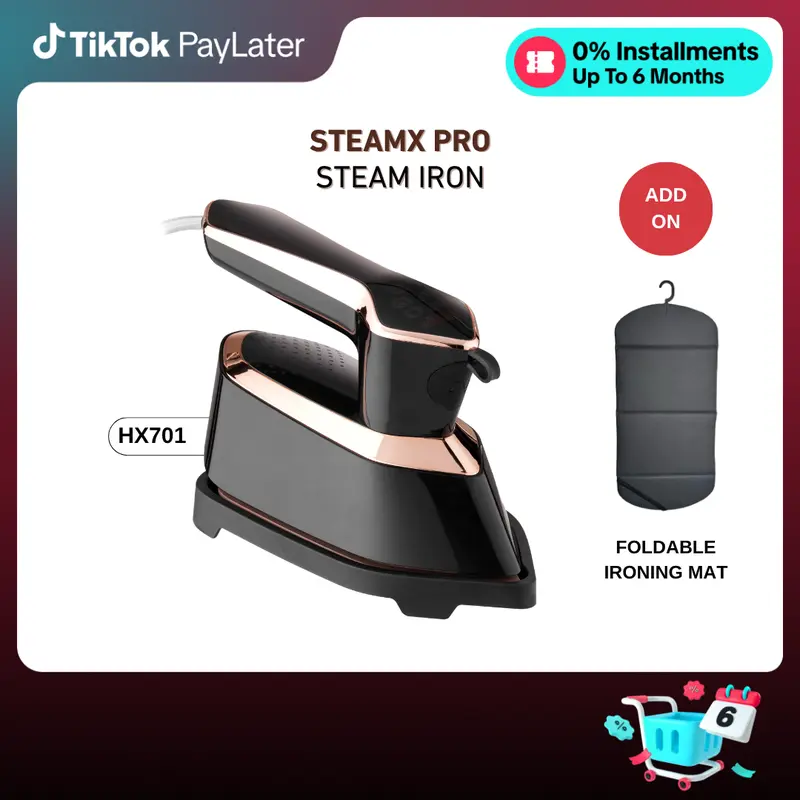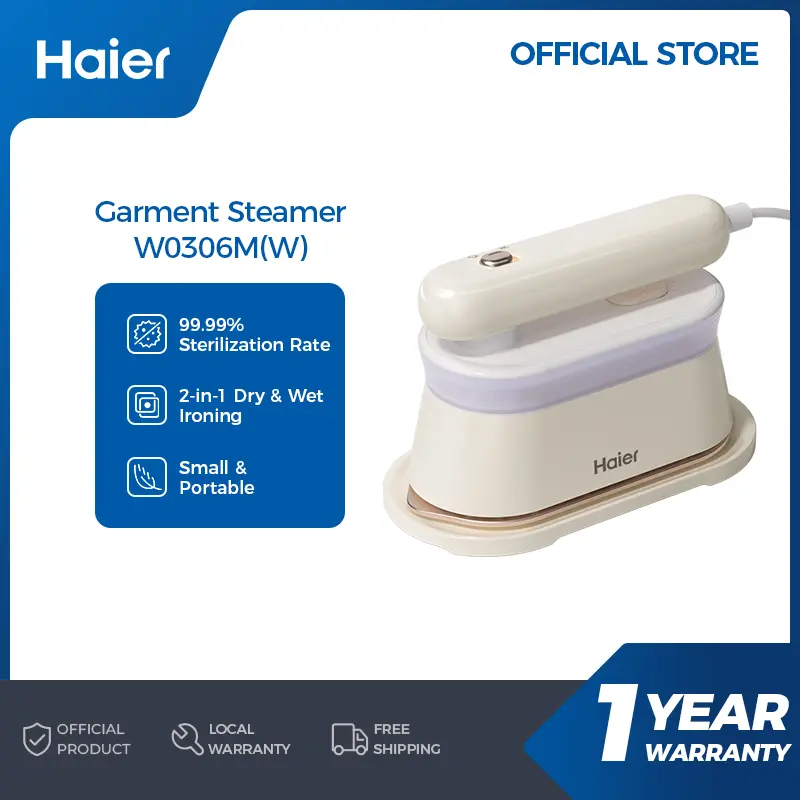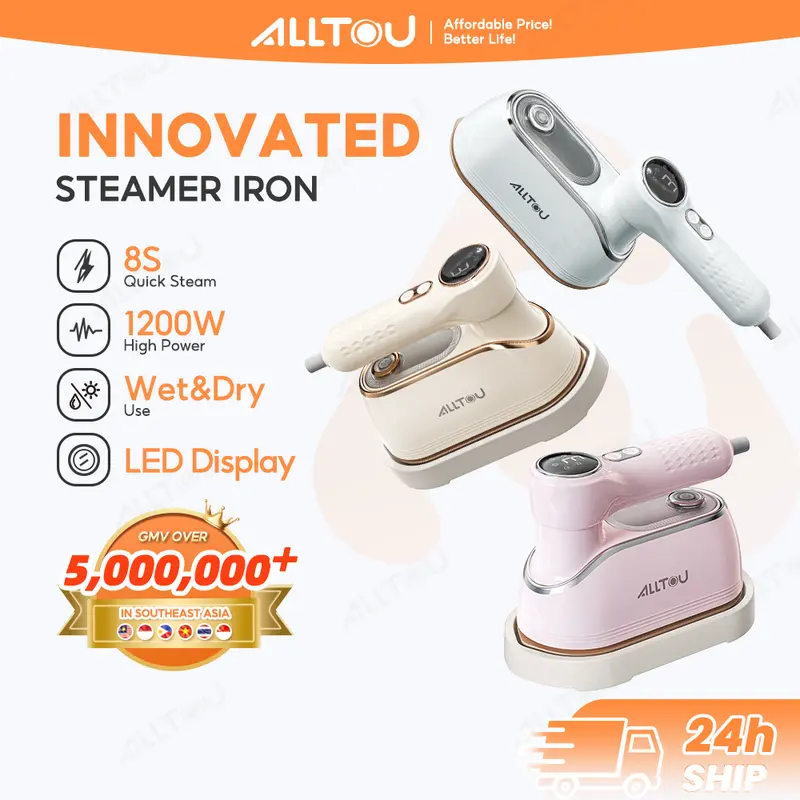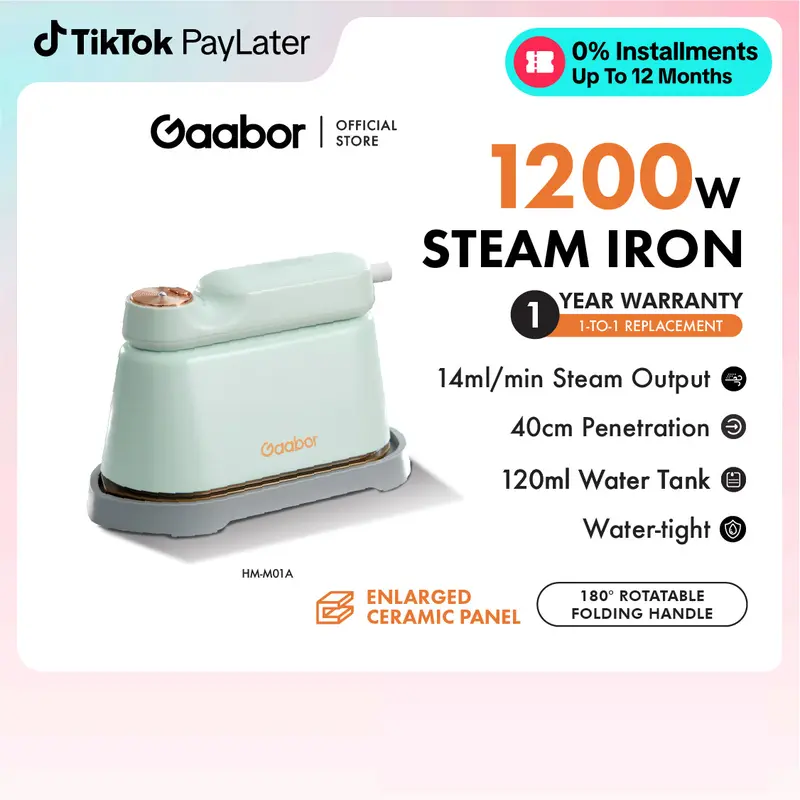















Quilters press at almost every stage: fabric before cutting, seams after stitching, and blocks before assembly. That rhythm rewards an iron that heats quickly, holds temperature, and does not spit water onto pieced fabric. The shortlist below covers the comparison points that matter most, the trade-offs between corded, cordless, and steam generator designs, and what to do when a large quilt or household linen load is simply too big for a domestic iron.
Best Steam Iron For Quilting: What Matters Before You Choose
Most buying guides for the best steam iron for quilting converge on the same handful of decision points. The order below reflects how much each one changes day-to-day pressing rather than how easy it is to advertise.
- Steam output and burst control. Continuous steam relaxes cotton fibres; a burst helps with stubborn creases in pre-washed fabric. Too much moisture on a pieced block can distort seams, so adjustable steam matters more than maximum steam.
- Soleplate material and shape. A smooth, scratch-resistant soleplate glides over seams without dragging. A pointed tip reaches into corners and along narrow sashing strips; a wide plate covers more area on large quilt tops.
- Weight and balance. A heavier iron presses seams flat with less downward force, but it tires the wrist during long sessions. A lighter iron suits precision work and small pieces.
- Auto shut-off behaviour. Safety shut-off cuts power after a period of stillness. Quilters who press, then sew, then press again often find short shut-off intervals disruptive because the iron must reheat each time.
- Corded versus cordless. A cord keeps power constant and usually allows higher heat. A cordless iron removes the cord from the fabric path, which helps when pressing a large quilt that would otherwise drag the cable across the surface.
- Water tank capacity. A larger tank means fewer refills during a long pressing session. A smaller tank keeps the iron lighter and is easier to empty after use.
Two practical points sit outside that list. First, distilled or demineralised water reduces mineral build-up inside the steam chamber, which is the usual cause of spitting and brown staining on pale fabric. Second, a firm, well-padded pressing surface matters as much as the iron; a soft board absorbs pressure and stops seams from setting crisply.
Steam Iron For Quilting Features That Affect Seam Pressing
Seam pressing is not the same as ironing. Pressing means setting the iron down, letting heat and steam do the work, then lifting it, rather than sliding the iron back and forth. Sliding stretches bias edges and can push a seam out of alignment. Features that support pressing therefore matter more than features that support gliding.
Temperature accuracy is the first of these. Cotton piecing generally tolerates higher heat, while synthetic blends, fusible interfacing, and some battings need lower settings. An iron with clearly marked, stable temperature steps is easier to trust than one with a vague dial. Steam control is the second. the ability to switch steam off entirely lets a quilter press a seam dry, then add steam only when a crease needs relaxing.
A third factor is how the iron behaves when left standing. Some models rest flat, some rest on a heel, and some lift automatically when released. For anyone who presses hundreds of short seams in one sitting, the resting position affects both safety and how often the iron has to be repositioned. Finally, an anti-drip or anti-calc system reduces the chance of water marks appearing on light-coloured quilt fabric, which is difficult to remove once set.
Corded, Cordless, And Steam Generator Options For Quilting
The three main formats suit different working styles, and none is universally better.
A corded steam iron is the most common choice. Power delivery is constant, so heat recovery after a long press is quick, and the design usually supports higher steam rates. The trade-off is the cable, which can catch on the edge of a quilt and pull the fabric as the iron moves.
A cordless iron removes that problem. It sits on a heated base between presses and is picked up only when needed, so nothing drags across the quilt. The constraint is heat retention: the soleplate cools while off the base, so long, slow presses on a large area may need the iron returned to the base more often.
A steam generator iron separates the boiler from the iron itself. The iron becomes lighter because the water is held in a separate tank, and steam supply is typically more sustained. The trade-offs are a higher outlay, a larger footprint on the pressing table, and a bulkier cable connecting iron to base. For quilters who press large quilt tops or handle a lot of household linen, the sustained steam can justify the space.
Caring For A Steam Iron Used On Quilt Fabric
Quilt fabric shows water marks and mineral stains more readily than dark clothing, so iron care is part of fabric care. Emptying the tank after each session prevents stagnant water from sitting in the chamber. Using distilled or demineralised water limits scale, and running the iron's self-clean or descaling cycle at the interval the manufacturer specifies keeps steam passages clear.
The soleplate needs attention too. Residue from fusible web or starch can transfer onto fabric, so a cool soleplate should be wiped after use rather than scraped. Starch and sizing help stiffen fabric for accurate piecing, but they also build up on the plate faster, which means more frequent cleaning. Storing the iron upright, once cool, keeps residual water away from the soleplate.
When Pressing Is Better Handled By A Laundry Service
A domestic iron is built for seams and garments, not for volume. Bedding, duvet covers, curtains, table linen, and large quilted items can exceed what a household iron handles comfortably, particularly when the item is too wide for the board or too heavy to manoeuvre without creasing.
Sinar Saredah Sdn Bhd, a laundry and dry cleaning provider in Kuching and Miri with more than 38 years serving Sarawak, offers pressing as a standalone service alongside wash-and-iron and wash-dry-and-fold options. Household pressing is priced per piece: bedsheets from RM 3 to RM 4 depending on size, duvet covers at RM 5, and pillow cases at RM 2, excluding 8% SST. Curtains are handled by weight at RM 30 per kg for wash, iron and fold. Garment pressing covers items such as shirts at RM 3 to RM 3.50, trousers at RM 4, and dresses from RM 10 to RM 20.
For quilters, the practical split is straightforward. Piecing, seam setting, and block pressing stay with the domestic iron because accuracy depends on immediate, controlled heat. Finished quilts, quilt covers, and household textiles that need an even, professional press are better sent out, especially when the item is too large for a home board. Sinar Saredah operates daily, including public holidays, with drop-off from 7am, and can be reached at 0176325699.
Choosing the best steam iron for quilting comes down to matching steam control, soleplate behaviour, and weight to the way pressing actually happens at the table. Where the work outgrows the iron, a laundry service covers the volume without adding equipment.