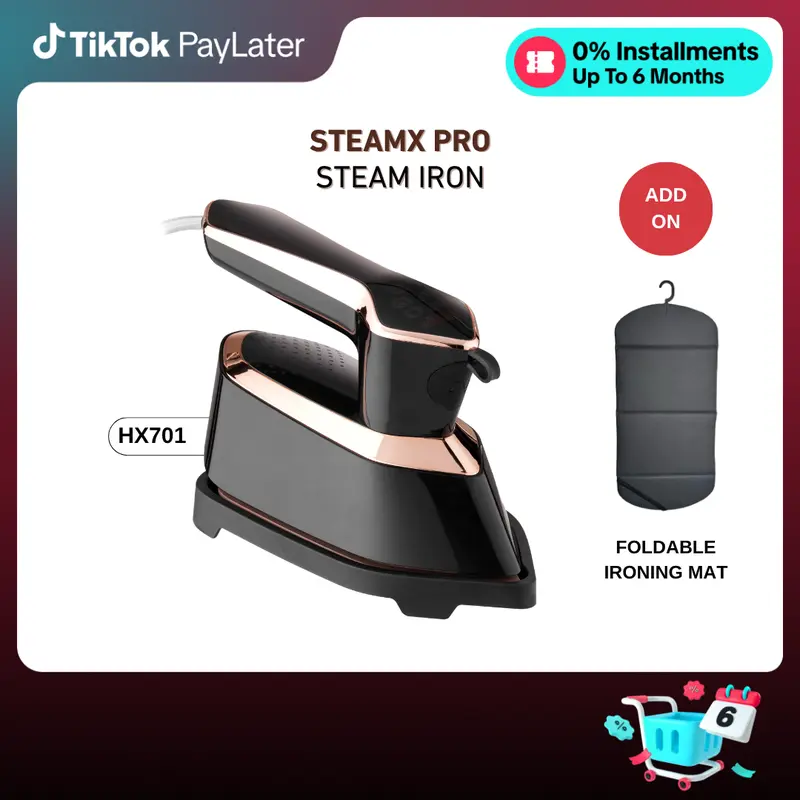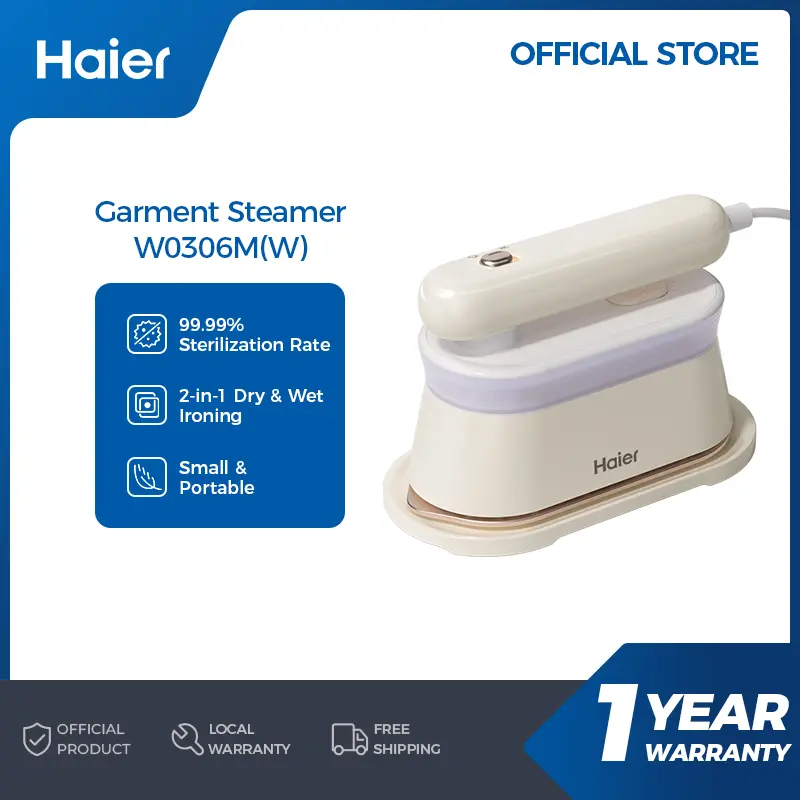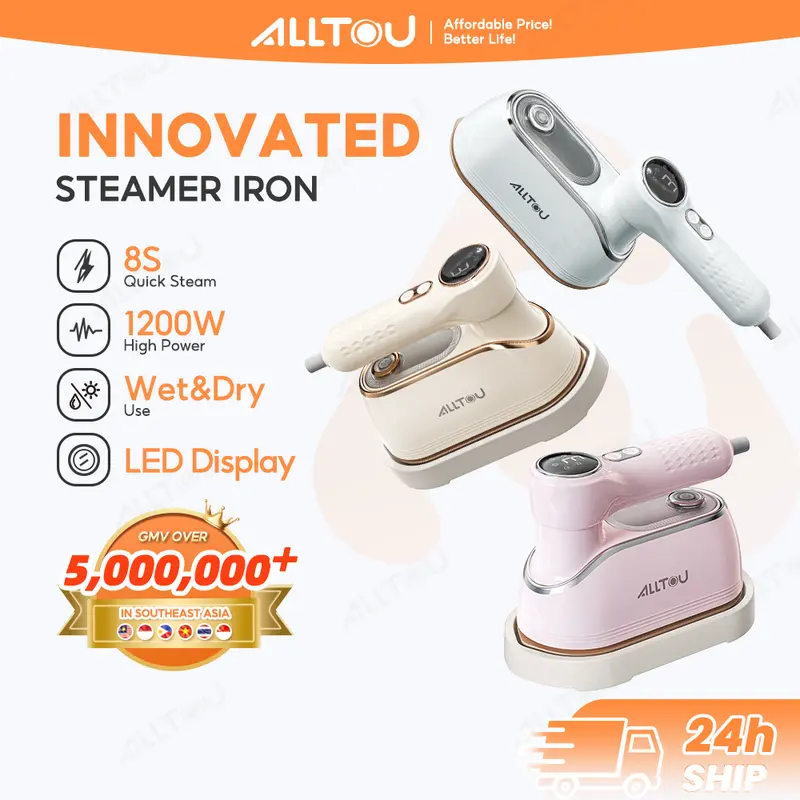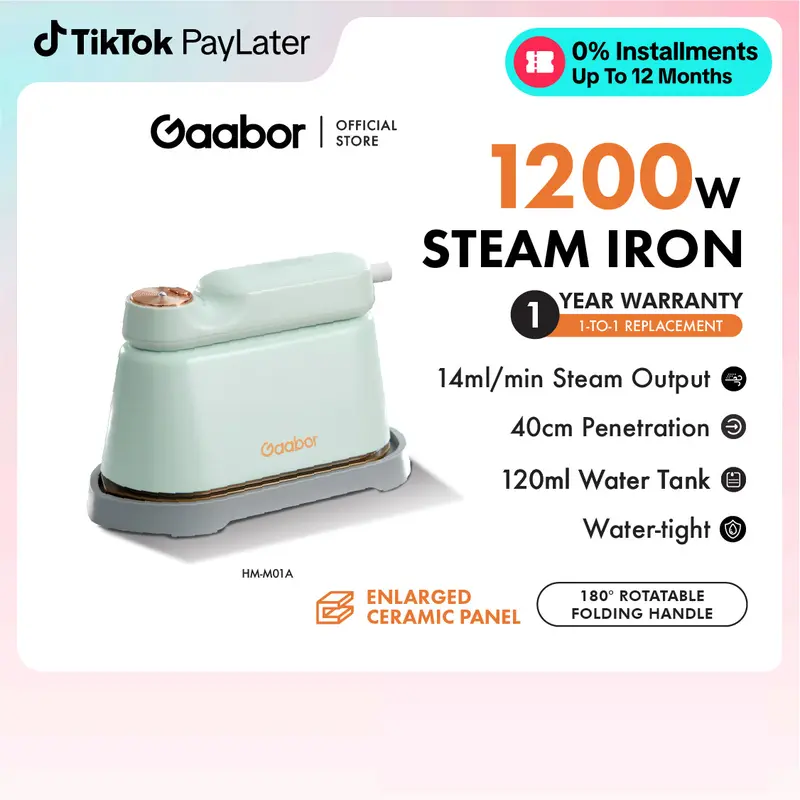















The term covers full-size steam irons, compact mini irons, and cordless models. Quilters compare heat consistency, steam control, weight, soleplate shape, and auto shut-off before deciding. Pressing is not the same as ironing: a quilters iron is moved and lifted to set a seam, not slid back and forth across fabric.
What a Quilters Iron Is Used For
Quilting is built from seams. Every seam allowance is pressed to one side or opened before the next piece is joined, and the accuracy of that press affects how well blocks line up later. A quilters iron exists to make that step repeatable.
The work differs from household ironing in three ways. First, the iron is pressed down and lifted rather than dragged, so the fabric does not stretch or distort on the bias. Second, heat is applied to small areas at a time, often a single seam allowance a few centimetres wide. Third, the iron is used constantly during piecing, so it sits close to the machine and is picked up and set down dozens of times in a session.
That pattern explains why quilters talk about weight and handle comfort as much as temperature. An iron that feels fine for a shirt is tiring when lifted every thirty seconds for an hour. It also explains why auto shut-off divides opinion: it is a safety feature, but a short timer can switch the iron off mid-project, and some quilters prefer a longer delay or a stay-on setting.
Features Quilters Compare Before Buying
Most buying decisions come down to a short list of practical trade-offs rather than brand names. The points below are the ones that recur across quilting guides and product collections.
- Heat consistency. The iron should hold a steady temperature across a long piecing session rather than cycling noticeably hot and cool.
- Steam control. Adjustable or switchable steam matters because some piecing and appliqué work is pressed dry, while bulky seams benefit from a burst of steam.
- Weight and handle comfort. A heavier iron presses seams with less downward effort; a lighter iron is easier on the wrist over long sessions.
- Corded or cordless. A cord stays out of the way of fabric but limits movement; a cordless iron returns to a base to reheat between presses.
- Soleplate shape. A tapered or pointed nose reaches into tight corners and under seam allowances where a wide soleplate cannot.
- Auto shut-off behaviour. The delay before the iron powers down, and whether it can be overridden, affects how disruptive the feature is during piecing.
Two further points come up less often but still matter. Water quality affects how quickly a steam iron scales up, and a soleplate that collects fusible web or starch residue will start to drag and mark fabric. Cleaning the soleplate and emptying the water tank after use are routine maintenance rather than optional extras.
Heat, Steam, and Fabric Safety
Cotton, the dominant quilting fabric, takes a hot iron well. Synthetic blends, fusible interfacing, and some battings do not, and an iron set too high can glaze or melt them. The practical approach is to test on a scrap of the same fabric before pressing a finished block, and to keep the iron moving or lifted rather than resting in one place.
Steam is useful for setting seams and flattening bulky intersections, but it can also distort a block if the fabric is stretched while damp. Many quilters press seams dry and reserve steam for stubborn points. Spray starch or sizing is a separate choice, applied before or during pressing to add body to fabric.
Cordless, Mini, and Full-Size Options
Quilters iron options fall into three broad shapes, and each suits a different part of the work.
A full-size iron is the default for piecing and pressing quilt tops. It covers area quickly, holds heat well, and handles large seams. The trade-off is weight and the space it takes up beside a sewing machine.
A cordless iron sits on a heating base and is lifted off for each press. The cord never drags across fabric or catches on the quilt, which helps when working on a large top. The trade-off is that heat drops while the iron is off its base, so long pressing passes are less practical than short, repeated presses.
A mini iron is built for detail. appliqué, foundation paper piecing, narrow seam allowances, and small blocks. It reaches into places a full-size soleplate cannot. It is not a replacement for a full-size iron, because it covers too little area and holds less heat for large seams.
Some quilters keep two irons for this reason, using the full-size model for blocks and the mini for detail work. Others start with one full-size iron and add a mini later if appliqué or paper piecing becomes a regular part of their projects.
Pressing Tools That Work Alongside a Quilters Iron
An iron is only part of the pressing setup. The surface underneath changes how heat and moisture behave, and the accessories around it change how quickly a seam can be set.
An ironing board is the conventional surface, but many quilters use a wool pressing mat beside the sewing machine instead. Wool mats reflect heat back into the fabric from below, which helps seams lie flat with less pressure, and their small size suits pressing one block at a time. A firm, heat-safe surface is the requirement; a soft or unstable one lets the fabric shift as the iron presses down.
Seam rollers and pressing sticks are used for setting seams without lifting the iron at all, which is useful for very small pieces. Spray bottles, starch, and a pressing cloth round out the kit. A pressing cloth protects delicate fabrics and prevents fusible web from transferring to the soleplate.
Quilters who would rather not press large items at home can have them finished professionally. Sinar Saredah Sdn Bhd, a laundry and dry cleaning provider in Kuching and Miri with more than 38 years serving Sarawak, lists pressing-only rates per piece, including bedsheets from RM 3 and curtains at RM 30 per kilogram, with prices excluding 8% SST. That covers household linen and garments rather than quilt tops, and the service is a finishing option rather than a substitute for pressing seams during piecing.
What to Confirm Before Choosing a Quilters Iron
The decision usually comes down to how the iron will be used rather than which model is most discussed online. A quilter piecing large quilts on a full-size board has different needs from someone doing appliqué at a small table.
Confirm the heat range covers the fabrics in use, and that the lowest setting is genuinely low if synthetics or fusibles are involved. Check whether the steam function can be switched off completely, since dry pressing is common in piecing. Consider the weight against the length of a typical session, and whether the cord will cross the fabric or stay clear of it.
Auto shut-off deserves a specific check. A short timer that cannot be overridden will interrupt long sessions, while a longer delay or a stay-on option suits continuous piecing. For cordless models, the reheat time on the base matters more than the top temperature, because it determines how long each press takes.
Availability and support are worth confirming locally, including whether the model is sold in the region and what warranty applies. Where a specific model is under consideration, the manufacturer's own documentation is the reliable source for wattage, steam output, soleplate material, and warranty terms, since these vary between models and revisions.
For quilters who press garments and household linen as well as patchwork, a single full-size iron with adjustable steam covers both jobs. A mini iron is an addition rather than a starting point, and a cordless model is most useful when the cord itself is the main obstacle to accurate pressing.
Call us at 0176325699 for pressing and laundry enquiries in Kuching and Miri.