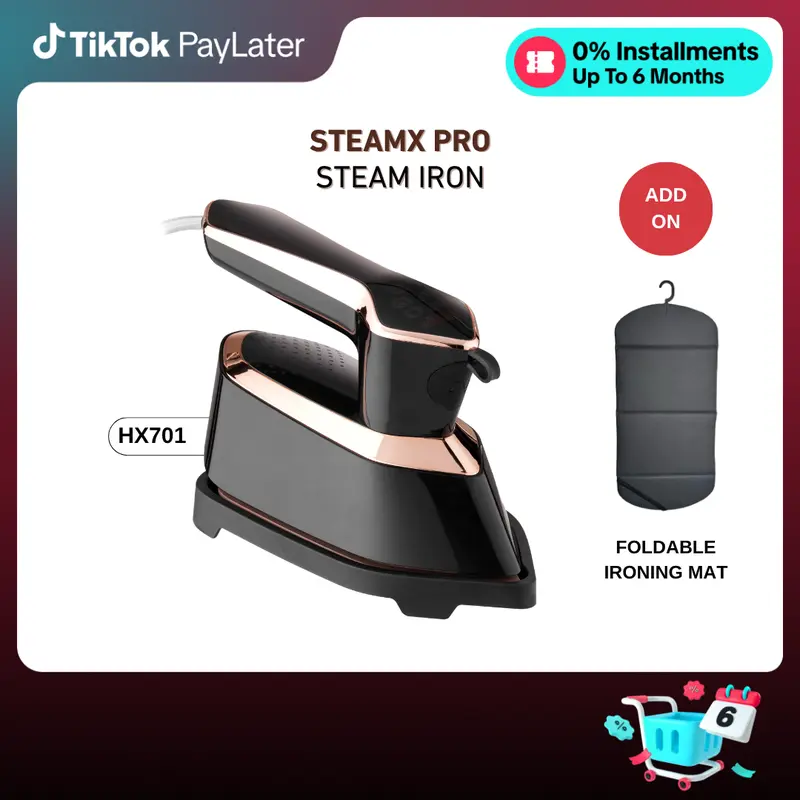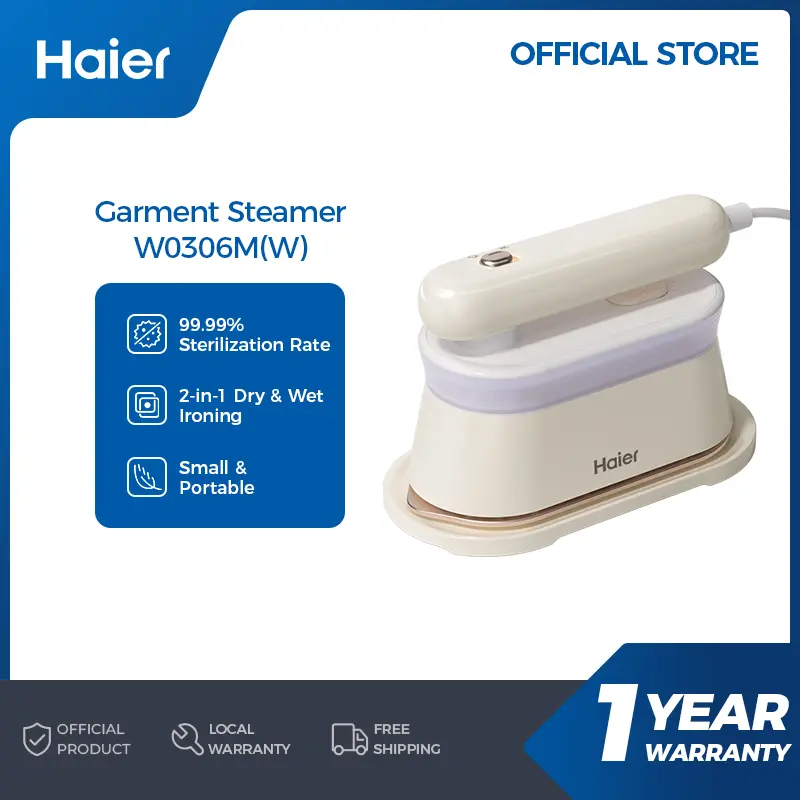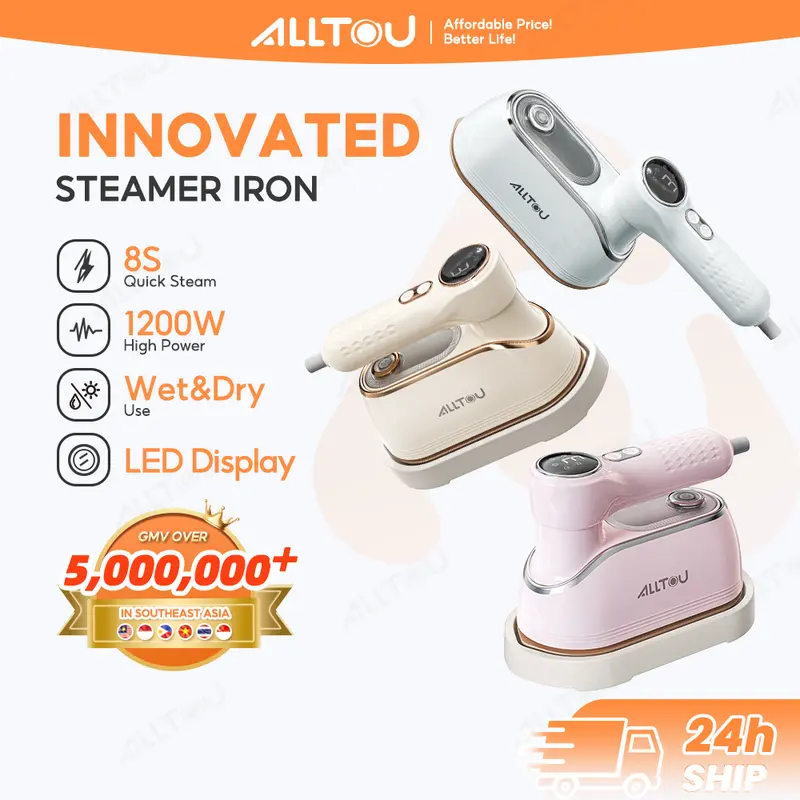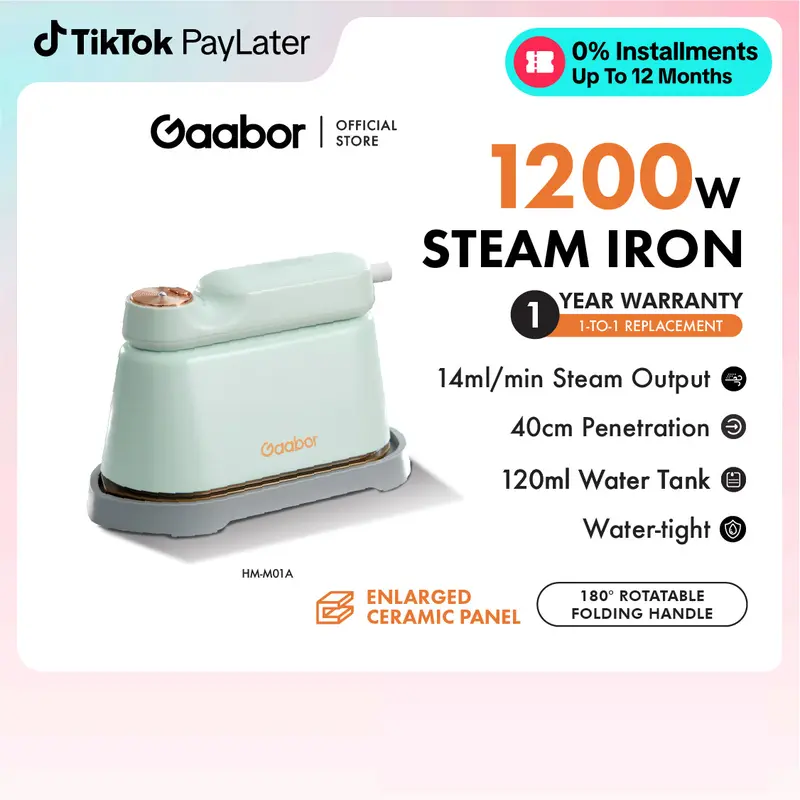













The device is simple in principle. Water heats inside a small tank, turns to vapour, and leaves through a nozzle or a perforated head. Held against a hanging garment, that vapour softens the fibres just enough for gravity and a light downward pull to straighten them. Nothing presses the cloth flat the way an iron does, which is why the finish looks softer and why structured edges such as pleats and creases are harder to reproduce.
Readers in Malaysia searching "cloth steamer" land mostly on product roundups and best-seller lists. Those pages answer which model to buy. They answer far less about what the tool actually does to different fabrics, when it is the wrong choice, and what to check before spending money on one.
What a Cloth Steamer Does to Fabric
Heat and moisture work on the fibre itself. Cotton, linen, and wool fibres hold hydrogen bonds that lock into place when the fabric dries in a crumpled position. Steam breaks those bonds temporarily. As the fabric cools and dries while hanging, the bonds reform in the straighter position.
That is the whole mechanism, and it explains the limits. A cloth steamer cannot remove a crease that has been heat-set into a synthetic blend, and it cannot flatten a seam that was sewn to sit proud. It also cannot clean. Steam may loosen surface odour, but soil, oil marks, and stains stay where they are.
Two practical consequences follow. First, the garment needs somewhere to hang and room to fall, because the straightening happens under its own weight. Second, the result improves if the fabric is given a moment to cool before it is worn or folded back into a drawer.
Cloth Steamer Compared With an Iron
An iron applies heat, moisture, and direct pressure across a flat surface. A cloth steamer applies heat and moisture with almost no pressure. That single difference drives every trade-off between them.
An iron produces a crisp, sharp finish and holds pleats, creases, and collar edges. It also needs a board, a flat surface, and enough time to work section by section. A cloth steamer works on a garment that is already hanging, which suits suits, blazers, dresses, curtains, and anything with structure that would flatten badly under a hot plate.
Speed is not automatically on the steamer's side. A large item with deep creases can take repeated passes, and the tank may need refilling partway through. An iron is usually faster on a plain cotton shirt. A steamer is usually faster on a jacket that would otherwise need pressing around shoulders and lapels.
There is also a risk profile to weigh. An iron can scorch or leave a shine mark on dark wool and some synthetics. A cloth steamer is far less likely to burn fabric, but it can leave a garment damp if the head is held too long in one spot, and it can distort a delicate weave if the nozzle is pressed hard against the cloth.
Features That Shape Everyday Results
Because no verified specifications for any cloth steamer are available here, the useful approach is to describe what each feature changes rather than quote numbers. A reader comparing models can then judge the trade-off directly.
Water tank capacity sets how long a session runs before a refill. A small tank suits one shirt or a quick touch-up. A larger tank suits curtains, a full suit, or several garments in one sitting, at the cost of a heavier unit that is harder to hold overhead.
Heat-up time decides whether the tool is convenient for a rushed morning. A short wait makes a steamer practical for last-minute use. A longer wait pushes it toward planned sessions.
Continuous steam duration matters more than peak output for large jobs. A steamer that runs steadily for a long stretch finishes a curtain panel without stopping. A steamer that pulses or cuts out forces repeated restarts.
Handheld versus upright changes the physical work. A handheld unit is easy to store and to angle at a collar, but the arm carries the weight. An upright unit with a pole and hanger lets the garment hang from the frame, which suits long sessions and heavier fabrics.
Water control is the feature most likely to cause a bad experience. If water spits rather than vaporises, the garment comes out spotted and damp. Anti-drip design and a nozzle that keeps the head above the water line reduce that risk.
Finally, consider what the steamer is asked to do beyond garments. Curtains, upholstery, and bedding are common secondary uses, and they favour a larger tank and a longer hose over a compact travel unit.
Fabric Types and Care Considerations
Most washable fabrics tolerate steam. The exceptions and the cautions are what matter.
Wool and wool blends generally respond well, because steam relaxes the fibre without the pressure that causes shine. Suits, blazers, and trousers benefit most. Heavy wool may need several passes and a longer settling time.
Cotton and linen take steam readily but crease again quickly, so the finish is less durable than a pressed one. Linen in particular looks best when it is allowed to keep some texture rather than being forced flat.
Silk and other delicate fabrics need care. Steam at close range can mark some silks, and the safest approach is to hold the head further from the cloth and test on a hidden seam or inner hem first.
Synthetics are the awkward category. Polyester and similar fibres are often heat-set, so steam may lift light creases but will not remove a sharp fold. High heat can also damage some synthetics, so a low setting and distance from the fabric are safer.
Embellished garments, beaded work, sequins, and glued trims are a genuine edge case. Heat and moisture can loosen adhesive and dull finishes, so these are better handled by a specialist cleaner than by a home steamer.
Traditional Malaysian garments deserve a specific note. Baju kurung, baju Melayu, songket, and saree involve layered fabric, embroidery, and structured panels that do not always respond well to a handheld head pressed against them. Songket in particular carries raised metallic thread that can catch. For these pieces, professional cleaning and pressing is usually the safer route than a home device.
Where a garment needs more than wrinkle removal, Sinar Saredah Sdn Bhd provides laundry and dry cleaning across Kuching and Miri, with 38+ years serving Sarawak. Dry cleaning covers items such as baju kurung, baju Melayu, saree, songket, and jackets, and pressing-only service is available for garments that are already clean. Curtain cleaning is priced at RM 40 per KG, and the final cost depends on curtain weight, fabric type, condition, and whether removal or rehanging support is needed.
Cloth Steamer Questions Buyers Ask
Does a cloth steamer replace an iron? For most households it complements one rather than replacing it. Steam handles hanging garments, structured tailoring, and fabrics that scorch easily. An iron still wins on crisp edges, pleats, and flat items such as bedsheets and table linen.
Can a cloth steamer clean clothes? No. It relaxes fibres and can reduce surface odour, but it does not remove soil, oil, or stains. Items that need actual cleaning belong in a wash or a dry-cleaning service.
Is distilled water necessary? Many manufacturers recommend it to limit mineral build-up inside the tank and nozzle. Tap water in hard-water areas is the usual cause of spitting and white residue on dark fabric.
How should a garment be positioned? Hang it so the fabric falls freely, work from the top down, and keep the head slightly away from the cloth rather than pressed against it. Let the garment cool and dry before wearing.
When is professional cleaning the better choice? When the item is stained rather than creased, when it carries beading or glued trim, when the fabric is a delicate silk or a raised weave such as songket, or when the piece is a wedding gown or heavily structured garment that needs controlled handling.
Before using or buying a cloth steamer, run through these checks in order:
- Confirm the fabric is suitable for steam and check the care label for heat warnings.
- Check the water tank capacity against the size of the job, from a single shirt to full curtain panels.
- Allow the full heat-up time before the first pass so the unit produces vapour rather than spitting water.
- Test on a hidden area such as an inner hem or seam allowance before working on a visible panel.
- Hang the garment so it falls freely, then work from the top down and let it cool before wearing.
For garments that need cleaning rather than steaming, Sinar Saredah Sdn Bhd operates in Kuching and Miri and can be reached at 0176325699. The service covers laundry, dry cleaning, curtain cleaning, and pressing-only work, which is the practical alternative when a home steamer reaches its limits.