













The term describes a vacuum built around a high-efficiency particulate air filter rather than a standard cloth or foam bag. The filter is only one part of the story. Air that escapes around a filter housing, a poorly seated bag, or a cracked hose carries the same dust back into the room, so the housing and seals matter as much as the filter medium itself.
This guide explains what a HEPA filter vacuum is designed to capture, why a sealed system changes real-world performance, where these machines fit in Malaysian facilities, and how to judge claims before committing to a purchase or a cleaning contract.
What a HEPA filter vacuum is designed to capture
A HEPA filter is built to capture very fine particulate matter rather than visible debris alone. Ordinary vacuum bags and foam filters stop larger particles such as crumbs, hair, and fibres, but they let a proportion of fine dust pass through and back into the room through the exhaust.
A HEPA filter vacuum adds a dense, pleated filter medium at the end of the airflow path. Fine particles travelling through the pleats are trapped by interception, impaction, and diffusion rather than by simple sieving. That is why the filter can hold particles far smaller than the gaps between its fibres.
The practical target is the fine fraction that stays airborne longest and settles on surfaces after cleaning appears finished. This includes dust mite debris, pet dander, pollen, mould spores, and the fine particulate that accumulates in offices, server rooms, and customer-facing areas.
One limit is worth stating plainly. A HEPA filter captures particulate. It does not remove gases, odours, or volatile organic compounds, which require a separate carbon stage. A HEPA filter vacuum is also not an air purifier; it cleans surfaces and floors while the machine runs, and it does not continuously filter room air between cleaning sessions.
Why a sealed system matters as much as the filter
A filter rating describes the filter, not the vacuum. Air always follows the path of least resistance, and if there is a gap at the bag collar, a worn gasket, or a loose hose connection, a meaningful share of the airflow bypasses the filter entirely.
A sealed system closes those gaps so that all air drawn into the machine must pass through the filter before it leaves. Manufacturers and specialist retailers describe this as certifying the whole system rather than the filter alone, and it is the difference between a vacuum that carries a HEPA filter and a vacuum that performs as a HEPA machine.
Several design choices support sealing. Bagged designs usually seal more reliably than bagless bins because the bag collar locks into the housing and the bag is discarded without emptying dust into open air. Multi-stage filtration, where a pre-filter or cyclonic stage removes coarse debris before the HEPA stage, reduces how quickly the fine filter loads up. A gasket at every joint, a clamped filter housing, and a hose that is inspected rather than assumed complete the picture.
The edge case is a machine that passes a filter test on paper but leaks at the bin seal after repeated emptying. Bagless HEPA vacuums can perform well, but the seal at the dust cup becomes a maintenance item rather than a one-time purchase decision.
Where a HEPA filter vacuum is used in Malaysian facilities
In Malaysia, HEPA-filtered vacuuming appears most often where fine dust carries operational or health consequences rather than only appearance concerns. Technical facilities are the clearest example. Sinar Saredah Sdn Bhd supports IRIX Sarawak with a structured site cleaning programme that includes dust control, HEPA-filtered vacuuming, anti-static cleaning practices, and low-moisture floor care, because dust in a data centre and technology-driven environment affects equipment care, uptime, and staff productivity.
Customer-facing and administrative facilities form a second category. Sinar Saredah supports Sarawak Energy facilities with structured cleaning for counters, offices, administration zones, and operational areas, where daily hygiene and safe shared spaces matter to staff and visitors alike. High-traffic areas such as waiting areas, meeting rooms, and shared corridors collect fine dust continuously, and a vacuum that exhausts that dust back into the air works against the cleaning itself.
Allergy-sensitive indoor spaces form a third category. Homes, clinics, and offices with occupants who react to dust mite debris or pet dander benefit from capturing fine particles at the source instead of redistributing them. The benefit depends on the machine being sealed and the filter being maintained, not on the label alone.
Remediation and construction cleanup form a fourth category, where fine dust volumes are higher and filter loading is faster. These jobs place more demand on filtration capacity and on how often the filter is changed.
How to compare HEPA filter vacuum claims before buying
Marketing language around filtration is loose. A vacuum described as HEPA-type, HEPA-style, or HEPA-like is not the same as one carrying a certified HEPA filter, and a certified filter is not the same as a certified sealed system. The comparison below focuses on what can be checked rather than on brand names.
- Ask whether the HEPA claim covers the filter alone or the complete sealed system, and request that distinction in writing.
- Check whether the filtration path is bagged or bagless, and how the dust container or bag seals when it is emptied or replaced.
- Confirm whether a pre-filter or cyclonic stage protects the HEPA filter from coarse debris, since this affects how long the fine filter lasts.
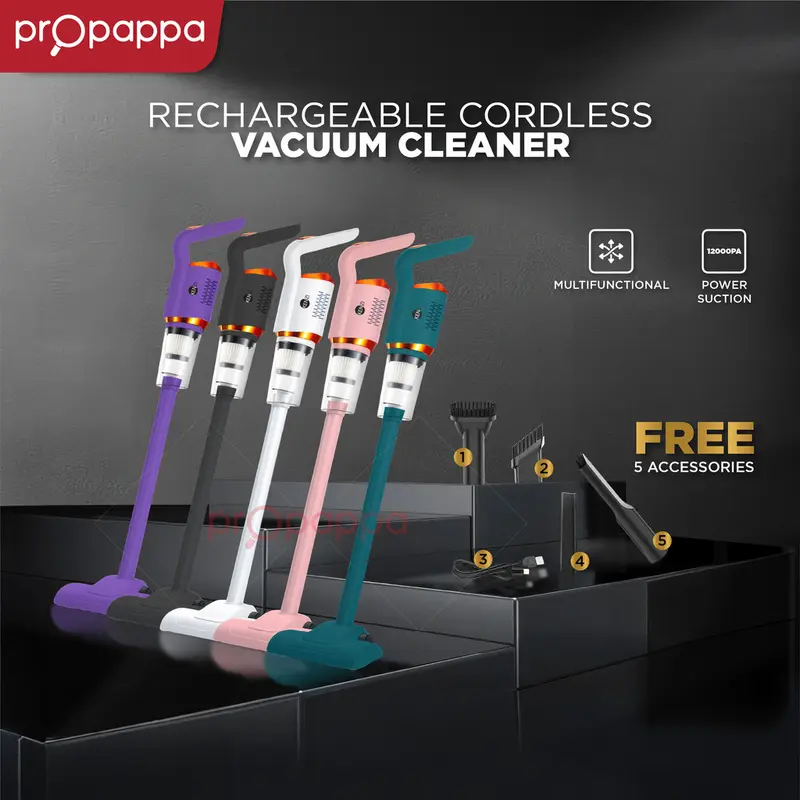
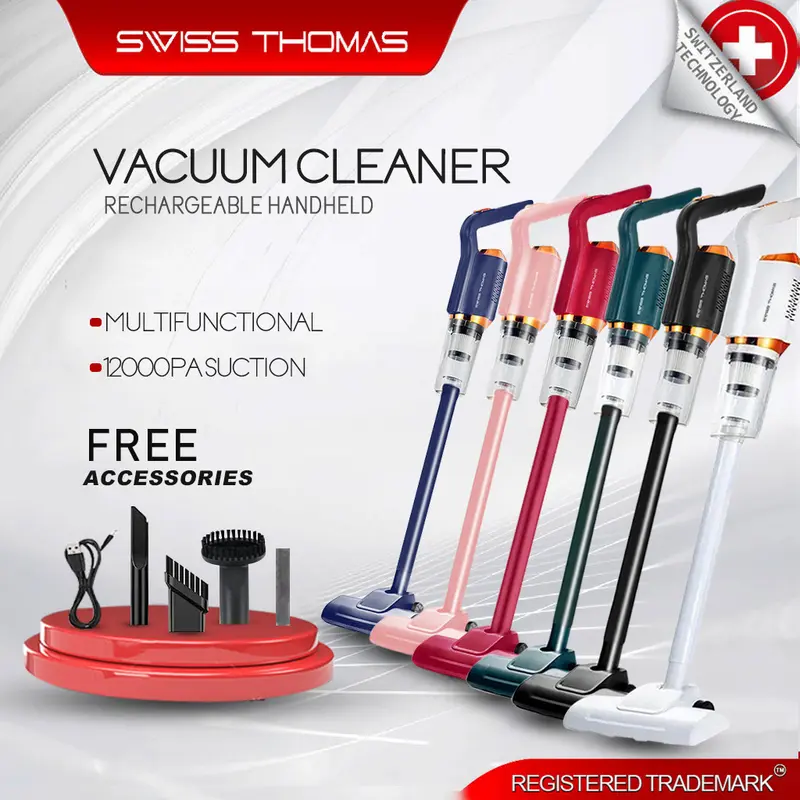
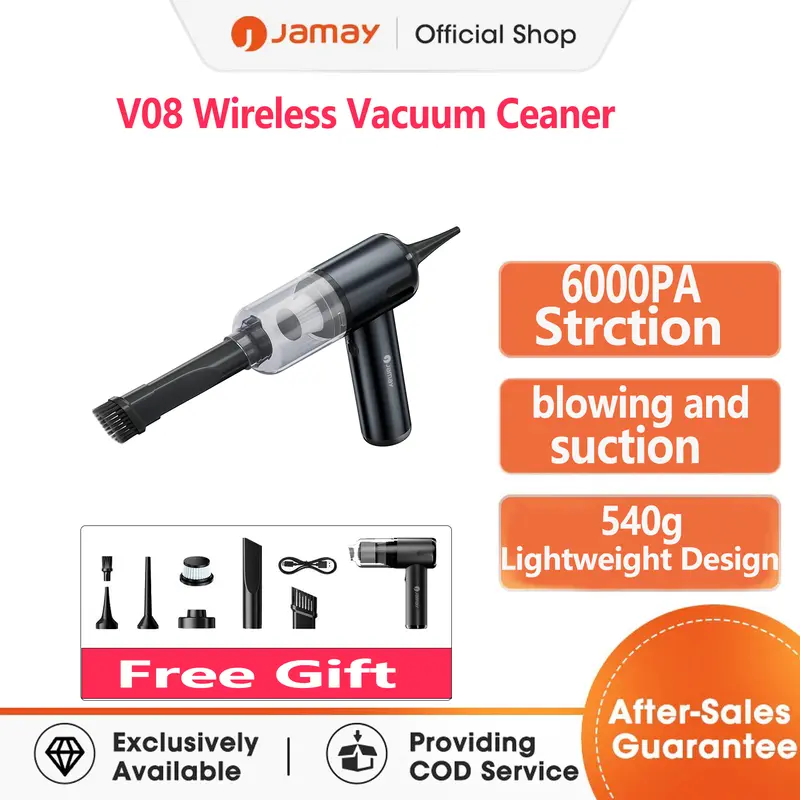
- Match the machine format to the space: upright or canister for floors and large areas, backpack or canister for overhead and confined work, handheld for spot cleaning.
- Review the maintenance schedule for filter replacement, gasket inspection, and hose checks before purchase, not after the first service.
- For facility contracts, confirm that HEPA-filtered vacuuming is written into the cleaning scope rather than assumed as standard practice.
Two trade-offs recur. Bagged machines generally seal better and are cleaner to empty, but they carry an ongoing cost for bags and filters. Bagless machines avoid that consumable cost but place more responsibility on the operator to keep seals clean and intact. Neither format removes the need to inspect gaskets and hoses.
Suction figures and wattage ratings are frequently quoted as proxies for cleaning power, but they describe airflow and lift, not filtration. A high-suction vacuum with a leaking bin seal can release more fine dust than a lower-suction machine that is properly sealed.
Maintenance, replacement, and end-of-life checks
Filtration performance declines as the HEPA filter loads with fine particles. Airflow drops, the motor works harder, and the machine may begin to release dust from a saturated filter. Replacement intervals depend on how much fine dust the machine collects, so a facility cleaning a data centre floor will change filters more often than a household vacuuming a low-traffic apartment.
Several checks keep a HEPA filter vacuum performing as intended. Inspect gaskets and seals at every service for cracks or compression. Check the hose and wand joints for leaks. Empty or replace bags before they are overfull, since an overfilled bag disturbs the seal. Clean or replace pre-filters so the HEPA stage is not doing coarse work. Confirm that replacement filters match the original specification rather than a generic substitute.
At end of life, the filter itself is the component that carries the captured particulate, so it should be removed and disposed of without shaking dust back into the air. A vacuum that has been used for remediation or mould work should be treated as contaminated until the filter and bag are safely contained.
For organisations that would rather not manage this cycle internally, HEPA-filtered vacuuming can sit inside a structured commercial cleaning scope. Sinar Saredah Sdn Bhd has served Sarawak for more than 38 years and provides commercial cleaning in Kuching and Miri, with HEPA-filtered vacuuming documented as part of its technical facility work. Facility managers assessing filtration requirements can call 0176325699 to discuss scope.