













The appeal is simple. the curtain stays on its rod, the machine stays in one hand, and the whole job takes minutes rather than an afternoon of unhooking, folding, and rehanging. That convenience has limits, and knowing them before buying or switching on saves both fabric and money.
Handheld Steamer For Curtains. What It Does To Hanging Fabric
Steam works on creases by heat and moisture together. When hot vapour reaches woven fibres, the fibres soften slightly, and as they dry in a straight hanging position they set closer to flat. Gravity does part of the work because the panel is already vertical.
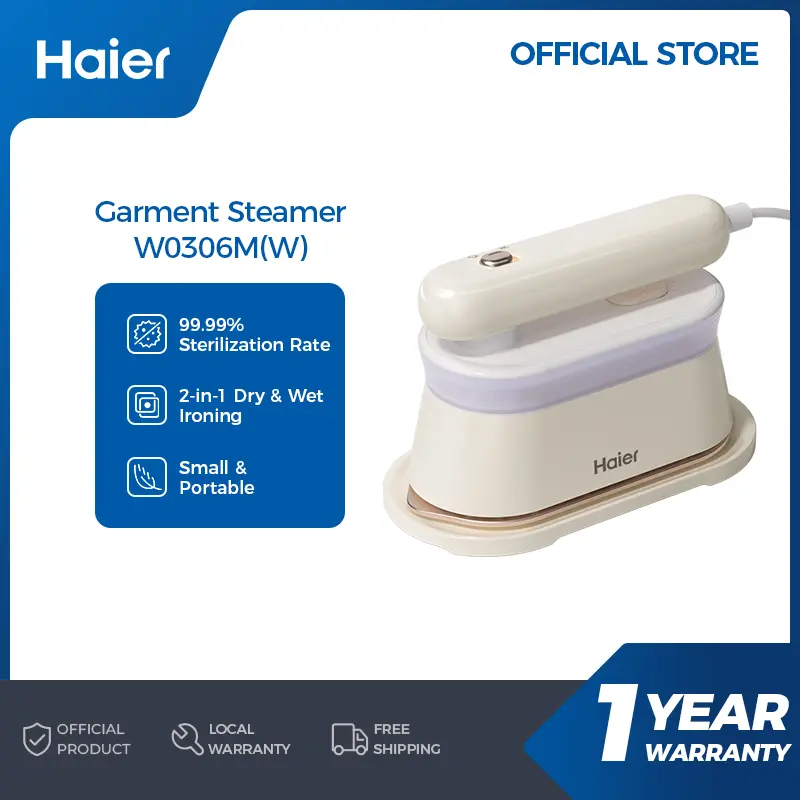
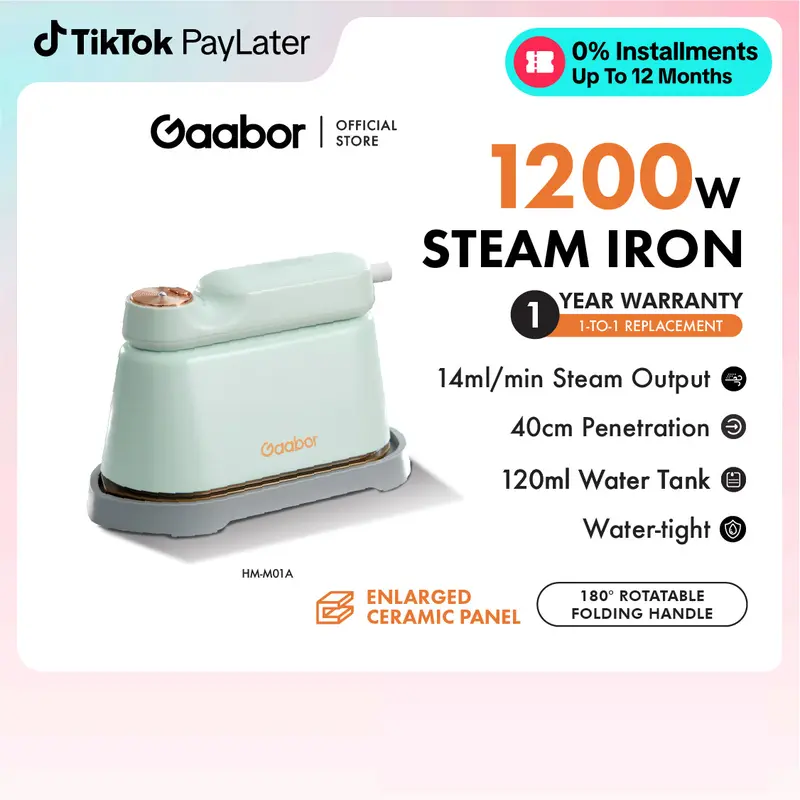
A handheld unit is built for short bursts rather than long sessions. It heats in a minute or two, runs for a limited stretch before the tank empties, and is light enough to hold above shoulder height. That combination suits one or two curtain panels at a time, not a whole house of floor-length drapes in a single pass.
Two things separate a handheld steamer from a full-size garment steamer. The first is tank size, which controls how long the unit runs before a refill. The second is continuous steam output, which controls how quickly a crease releases. Neither figure is universal, and both should be read from the actual product label rather than assumed.
Why Curtains Wrinkle And What Steam Changes
Curtains crease for predictable reasons. They arrive folded in packaging, they sit compressed against a window for months, and they are handled when opened and closed. Humidity, direct sun, and the weight of the fabric itself all leave their mark.
Steam changes the picture because it works on the fibre rather than the surface. An iron presses a crease out with weight and heat, which risks shine on some fabrics and flattening on others. Steam lifts the fibre and lets the panel fall back into shape, which is why it suits fabrics that cannot take direct heat.
The trade-off is that steam relaxes creases rather than removing them permanently. A panel that was badly folded for a long time may need two passes, and a panel under tension from a badly fitted rod may crease again within days. Steam also does not remove dust, smoke residue, or grease, which build up in curtain fabric over time and need washing or professional cleaning.
What To Check Before Buying A Handheld Steamer For Curtains
Four practical checks matter more than brand names or wattage claims.
- Confirm the unit can be held and used in a vertical position, because curtains are steamed standing up and a steamer that only works flat is the wrong tool.
- Check the water tank capacity and how the tank is filled, since a small tank means repeated refills partway up a long panel.
- Look for a heat-up time that suits the job, because a slow unit turns a five-minute refresh into a long session with an arm held overhead.
- Check whether the manufacturer specifies distilled or filtered water, since mineral build-up is a common cause of spitting and reduced steam over time.
- Read the fabric guidance in the manual and on the curtain care label before the first use, because some materials should not be steamed at all.
- Confirm the cord length and whether the unit needs to stay upright, since both affect how safely it can be used near a window.
Price is the last check, not the first. A cheap unit that spits water onto a lined panel creates a new problem, and a costly unit with a tank that empties mid-panel creates a different one.
Steam Output And Water Tank
Steam output determines how fast a crease releases. Higher output usually means faster results and shorter run time from the same tank. Tank capacity determines how long the unit runs before a refill. A larger tank adds weight, which matters when the unit is held above head height for several minutes.
Vertical Use And Drip Control
Curtain steaming happens with the unit pointed upward or held level against a hanging panel. A steamer that drips in that position leaves water marks on fabric, and water marks on lined or dark curtains are difficult to remove. Anti-drip design and a head that works at an angle are worth more here than a higher wattage figure.
How To Steam Curtains While They Hang
The method is straightforward, and the order matters because it prevents re-creasing work already done.
- Check the care label and the steamer manual first, and stop if the fabric is listed as unsuitable for steam.
- Fill the tank as instructed, using the water type the manufacturer specifies, and let the unit heat fully before touching the curtain.
- Work from the top of the panel downward, holding the steamer a short distance from the fabric rather than pressing it against the surface.
- Move slowly and steadily down each section, letting the weight of the panel pull the crease out below the steamer head.
- Work in vertical sections across the width of the panel rather than sweeping side to side, so each area is finished before moving on.
- Let the panel hang undisturbed until it is fully dry, because handling damp fabric puts new creases back in.
Two habits prevent most problems. Keep the steamer moving, because holding it still in one spot over-saturates the fabric. And work with the window closed and the room ventilated, since steam near a cold glass surface condenses quickly.
Fabric And Safety Limits To Respect
Not every curtain should be steamed. Delicate materials, some coated or lined fabrics, and anything with a care label that prohibits heat or moisture are all cases where steam can cause damage rather than remove it. When the label is unclear, testing a small area at the back of a hem is safer than starting at the front of the panel.
Heat and water near a window also carry practical risks. Steam near electrical fittings, extension cords, and window hardware should be avoided, and the unit should be unplugged before refilling. A steamer left heating unattended is a burn risk and a fire risk.
There is also a limit to what steam can fix. Steam relaxes creases. It does not remove embedded dust, cooking grease, smoke odour, or mildew, and it does not clean the fabric. Curtains in a kitchen, near a road, or in a home where someone smokes will hold residue that only washing or professional cleaning removes.
When To Send Curtains For Professional Cleaning Instead
Steaming is a refresh, not a clean. Curtains that have hung for a year or more collect dust, and that dust is what makes a room smell stale when the windows are opened. Steam will not lift it out of the weave.
Sinar Saredah Sdn Bhd, a laundry and dry cleaning provider serving Kuching and Miri with more than 38 years serving Sarawak, lists curtain cleaning at RM 40 per kg. The final cost depends on curtain weight, fabric type, condition, and whether removal or rehanging support is needed. That per-kilogram structure means a heavy lined panel costs more than a light sheer, which is worth knowing before comparing it against the price of a handheld steamer.
Professional cleaning makes more sense than steaming in several situations. Curtains that are visibly soiled, curtains in a kitchen or near a busy road, curtains with a care label that prohibits home steaming, and curtains that have not been cleaned in years all fall into that group. So do large or heavy panels where the risk of water marks or fabric damage at home is high.
The two approaches also work together. A panel that has been professionally cleaned and rehung can be kept looking sharp with occasional steaming between cleanings, which stretches the interval before the next wash.
For households weighing the two options, the deciding question is what the curtain actually needs. A creased panel that is otherwise clean needs steam. A panel that is creased and dirty needs cleaning first, and steam afterwards if the fabric allows it.
Call us at 0176325699 for curtain cleaning in Kuching and Miri.