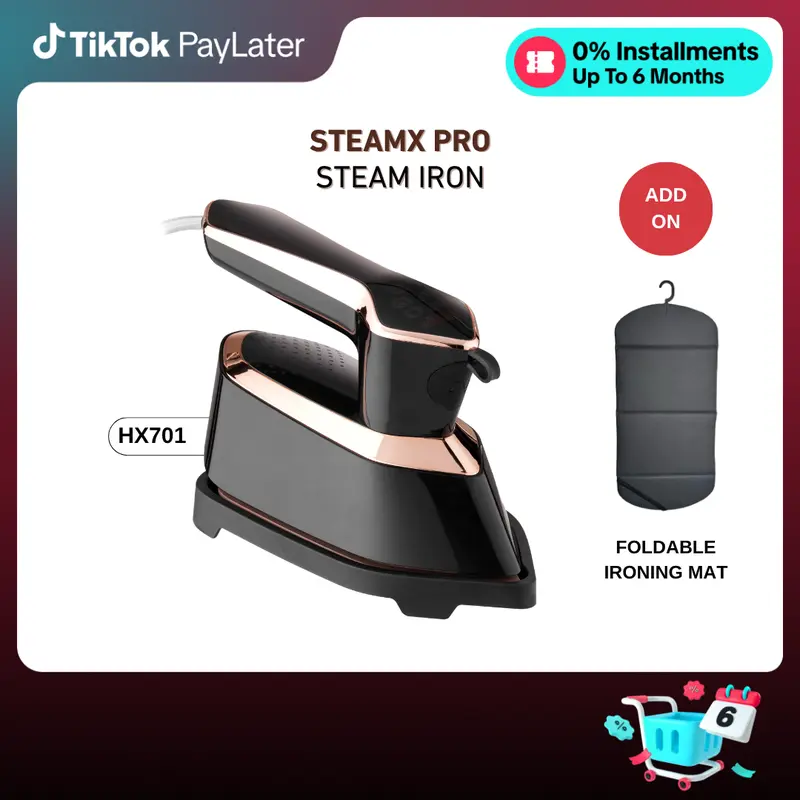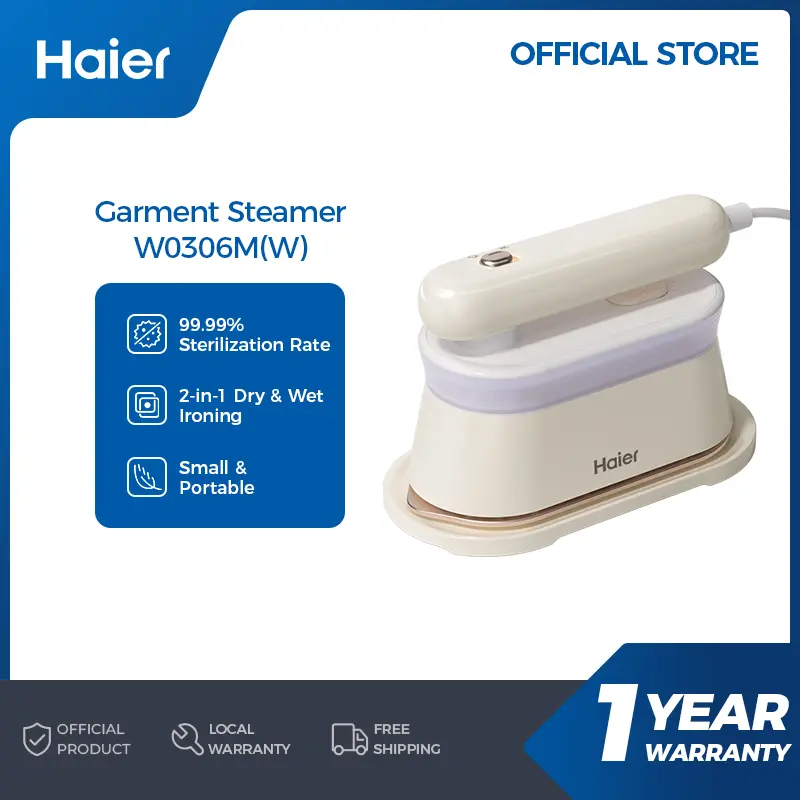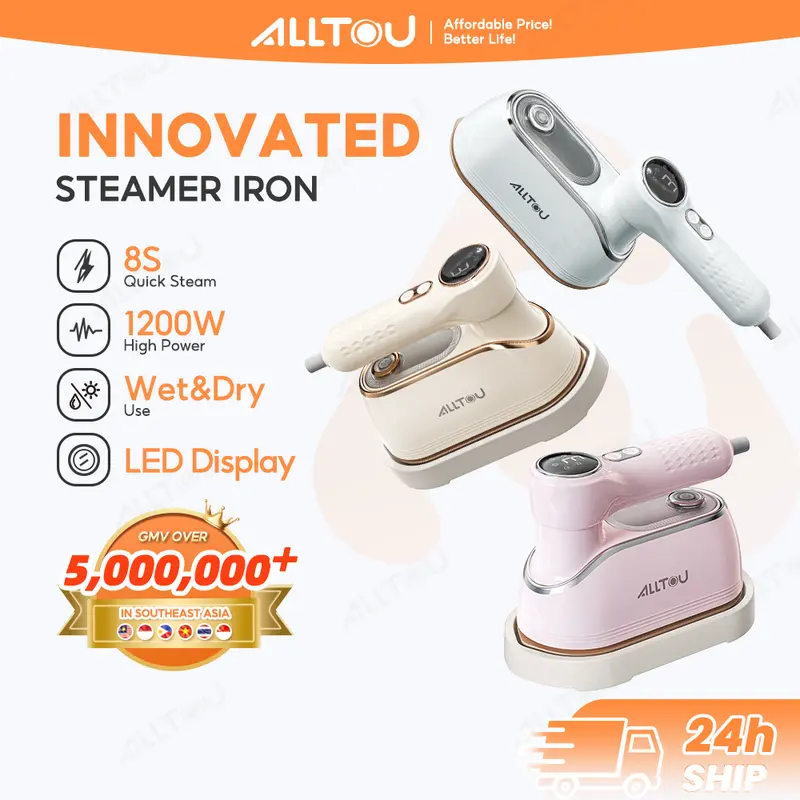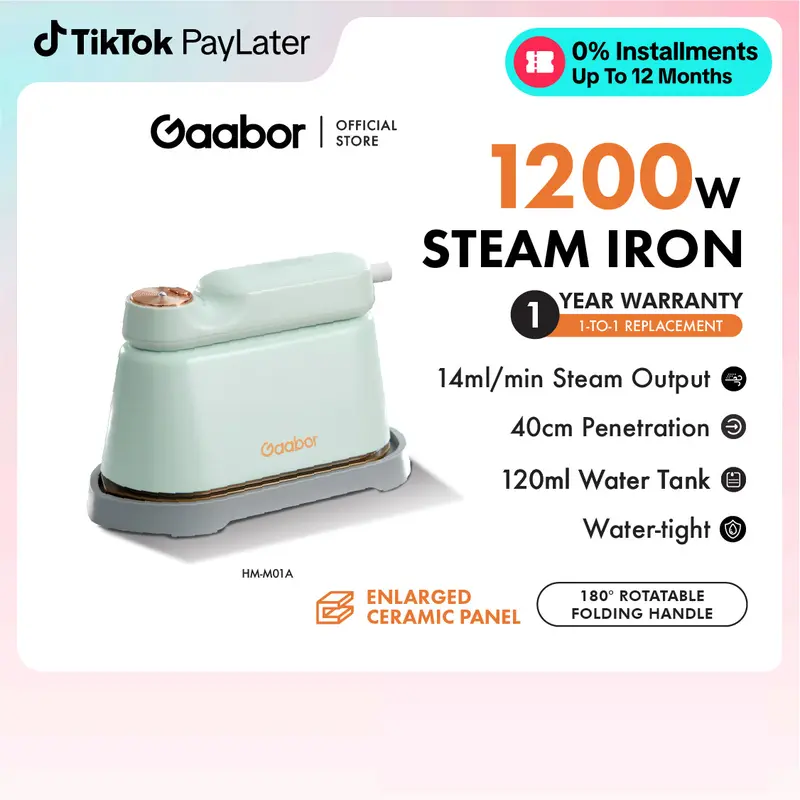













The appeal is simple. a mini steamer takes up little space, needs no ironing board, and can be used on garments that are already hanging. That makes it a practical option for renters, students, frequent travellers, and anyone who wants a fast touch-up rather than a full laundry session.
What follows covers what a mini steamer is used for, how it compares with a full-size garment steamer, what to check before buying, how to handle fabric and water, and the questions buyers in Malaysia tend to ask. Where a figure cannot be verified, it is left out rather than guessed.
What a Mini Steamer Is Used For
A mini steamer is used to remove light wrinkles and refresh fabric between washes. It works on hanging garments, which means no board, no pressing surface, and no need to lay a shirt flat.
Typical uses include.
- Shirts, blouses, and trousers that have creased in a wardrobe or suitcase
- Baju kurung, baju melayu, and other traditional wear that needs a quick refresh before an event
- Curtains and other hanging fabric that cannot easily be taken down
- Jackets and coats that need surface smoothing rather than a full press
Steam relaxes fibres using heat and moisture. The weight of the hanging garment then helps the fabric fall straight. This is why steaming works well on light creasing but is less effective on sharp, set-in creases such as those pressed into formal trousers.
A mini steamer is not a washing machine. It does not remove stains, odour embedded deep in fabric, or heavy soiling. It refreshes and smooths. For garments that need real cleaning, a laundry or dry cleaning service is the correct route, and a steamer is only the finishing step afterwards.
Mini Steamer vs a Full-Size Garment Steamer
The main trade-off is capacity and steam output against size and convenience. A full-size garment steamer usually holds more water and produces steam for longer, which suits a household steaming several items in one session. A mini steamer holds less water, so it is better for one or two garments at a time.
| Consideration | Mini steamer | Full-size garment steamer |
|---|---|---|
| Typical use | Quick touch-ups, travel, small homes | Longer sessions, multiple garments |
| Storage | Fits in a drawer or suitcase | Needs floor or cupboard space |
| Water capacity | Smaller, refilled more often | Larger, fewer refills |
| Best for | Light creasing on hanging items | Heavier fabric and volume work |
For a single person in a small apartment, a mini steamer often covers most needs. For a family steaming school uniforms, work shirts, and curtains in one sitting, a full-size unit reduces the number of refills and the time spent waiting for steam to build again.
Neither replaces a proper press for structured garments. Suits, starched shirts, and heavily creased formal wear still benefit from professional pressing, because steam alone will not recreate a sharp crease or a crisp collar.
What to Check Before Buying a Mini Steamer
Buying decisions should rest on verified product information rather than marketing claims. The checks below are the ones that matter most, and they can be run in order before committing to a purchase.
- Confirm the fabric types the garment care label allows to be steamed, and avoid heat-sensitive fabrics unless the label says otherwise.
- Check the voltage rating against where the steamer will be used, since a unit built for one voltage may not work safely on another without a suitable converter.
- Check the water tank capacity and how it is filled, because a small tank means more refills during a session.
- Check the heat-up time stated by the manufacturer, and treat any figure not published by the maker as unverified.
- Check the storage footprint against the space available at home or in a suitcase.
- Check the warranty terms and whether local service or replacement is available in Malaysia.
- Check whether the manufacturer recommends distilled water, since mineral content in tap water can lead to scale build-up over time.
Voltage deserves particular attention for travel. A steamer rated for one voltage and plugged into a different supply can fail or create a safety risk. Dual-voltage models exist, but the rating should be confirmed on the manufacturer's own documentation rather than a marketplace listing.
Warranty and after-sales support are also worth confirming before purchase. A unit bought from overseas may be difficult to service locally, and the cost of returning it can outweigh the saving.
Fabric and Water Care for a Mini Steamer
Fabric care starts with the garment label. If the label prohibits heat or moisture, steaming is not appropriate. Delicate fabrics, some synthetics, and certain embellished garments can be damaged by steam, so the label and the manufacturer's guidance take priority over general advice.
Water quality matters for the appliance itself. Where a manufacturer recommends distilled water, using it reduces mineral deposits inside the unit. Where tap water is used, regular descaling according to the manufacturer's instructions helps maintain steam output.
Emptying the tank after use and allowing the unit to cool before storage are common manufacturer recommendations. Storing a steamer with water left inside can encourage residue and odour.
For garments that need more than a refresh, professional cleaning is the safer route. Sinar Saredah Sdn Bhd has served Sarawak for more than 38 years, offering laundry and dry cleaning in Kuching and Miri, including pressing-only options for items such as shirts, trousers, blouses, and traditional wear. A steamer handles the light creases; a cleaning service handles the garment itself.
Mini Steamer Questions Buyers Ask
Is a mini steamer worth owning in Malaysia? For light wrinkling on hanging clothes, yes. It removes the need for an ironing board and suits small living spaces. For heavy creasing or structured garments, professional pressing remains more effective.
Can a mini steamer replace an iron? Not entirely. Steam relaxes creases in hanging fabric, but an iron presses sharp creases into collars, cuffs, and trouser fronts. Many households keep both.
What water should be used? Follow the manufacturer's instruction. Where distilled water is recommended, use it to reduce scale. Where tap water is permitted, descale on the schedule the maker specifies.
Is a mini steamer safe for all fabrics? No. The garment care label governs. Heat-sensitive and moisture-sensitive fabrics should not be steamed unless the label permits it.
Can a mini steamer be taken on trips? Only where the voltage rating matches the destination supply, or where the unit is dual voltage and the manufacturer confirms it. Voltage mismatches are a safety issue, not a convenience one.
Does steaming clean clothes? It refreshes and smooths. It does not remove stains or deep odour. Garments needing real cleaning should go to a laundry or dry cleaning service.
For garments that need cleaning rather than steaming, Sinar Saredah can be reached at 0176325699.