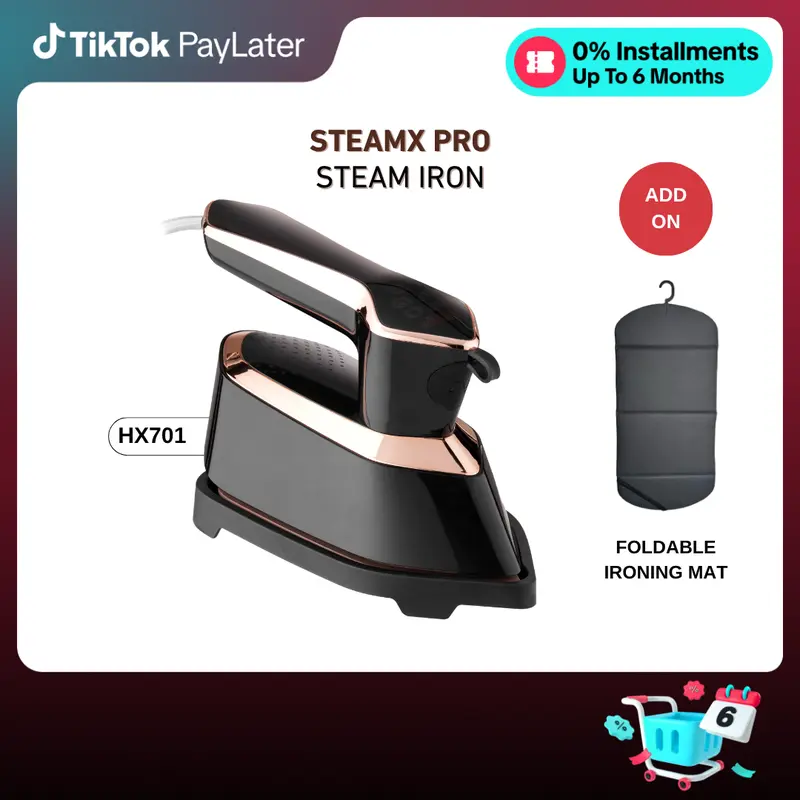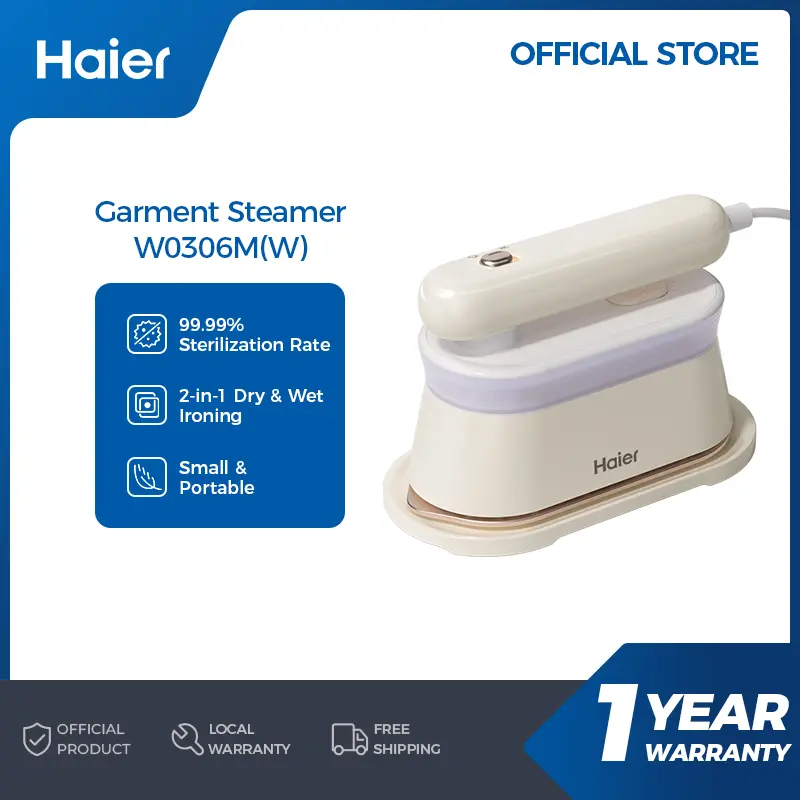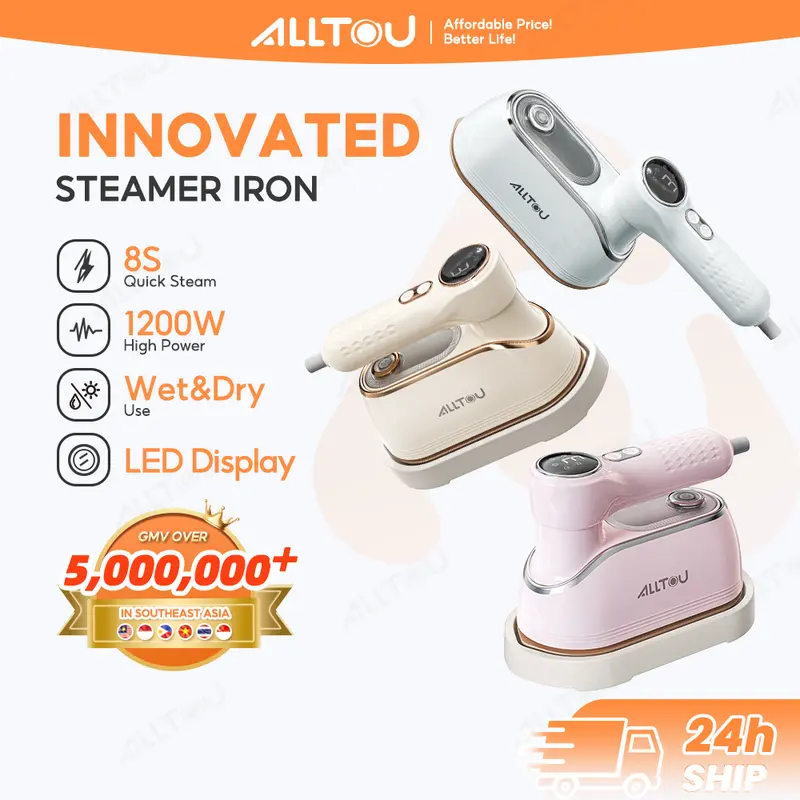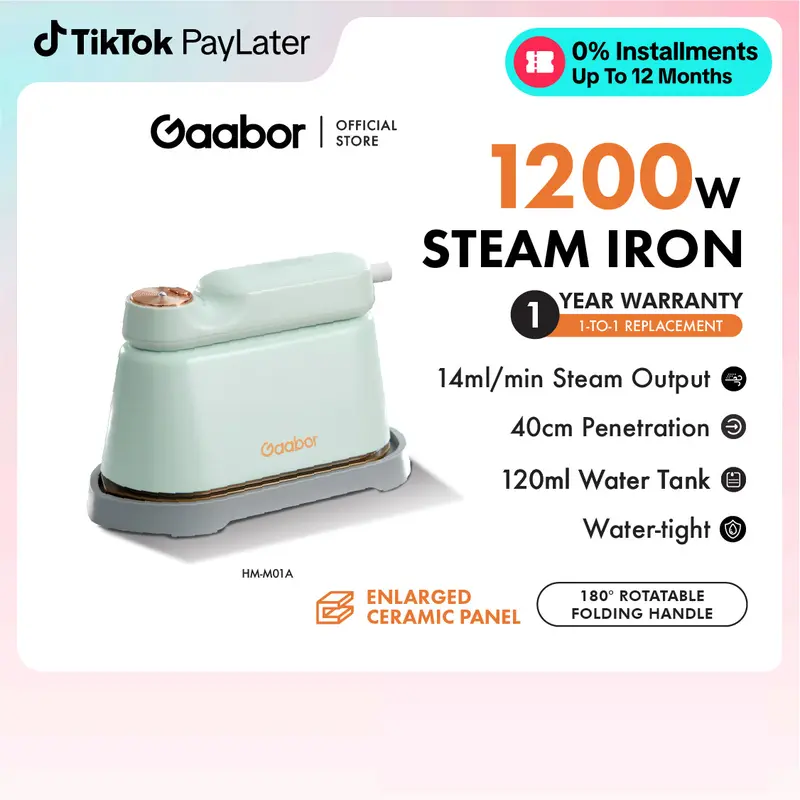











The appeal is simple. a compact unit that heats in seconds, hangs in a wardrobe corner, and refreshes a shirt or baju kurung without dragging out an ironing board. That convenience is exactly why the category has so many near-identical listings, and why the differences that matter are easy to miss.
Portable Steamer For Clothes. What Malaysian Buyers Compare
Buyers in Malaysia tend to compare the same handful of attributes across every listing: how fast the unit heats, how much water the tank holds, how long it steams before a refill, how much it weighs, and what it costs in ringgit. Wattage sits behind most of those numbers, because a higher-wattage element generally produces steam sooner and sustains it longer.
Portability is the other half of the decision. A travel steamer earns its place by fitting in a carry-on or a desk drawer, which usually means a smaller tank and shorter continuous steam time. A larger handheld trades some of that compactness for fewer refills during a longer session.
How a Handheld Garment Steamer Works on Everyday Fabrics
A handheld garment steamer heats water into vapour and releases it through a nozzle. The hot vapour loosens the fibres in the fabric, and the weight of the hanging garment lets the fibres settle straight as the moisture evaporates. There is no pressure plate pressing the cloth flat, which is why steaming suits fabrics that scorch easily under a hot iron.
Steam also lifts odours and light creases from garments that are not dirty enough for a wash. That makes it useful for a jacket worn once, a blazer between dry cleans, or a shirt that spent the commute crushed in a bag.
Preparing a garment for steaming
- Check the care label for any heat or moisture warning before steaming.
- Fill the tank with clean water to the marked line and close it firmly.
- Hang the garment on a hanger so the fabric falls freely.
- Let the unit heat until steam is steady, then work from the top of the garment downward.
- Keep the nozzle a short distance from the fabric and let the steam do the work.
- Hang the garment to rest and dry before wearing it.
Heat-Up Time, Tank Capacity, and Continuous Steam Minutes
These three numbers decide how a steamer feels in daily use. Heat-up time sets how long the unit sits on the counter before the first burst of steam. Tank capacity sets how many garments one fill covers. Continuous steam time sets how long the unit runs before it needs to cool and refill.
A small travel tank is enough for one shirt or one blouse. A full workweek of uniforms or a stack of baju kurung needs a larger tank, or a willingness to refill mid-session. Buyers who steam one outfit each morning can accept a small tank; buyers who steam a week of clothing at once usually cannot.
Wattage is the underlying constraint. A higher-wattage unit can heat faster and hold steam pressure longer, but it also draws more power and often adds weight. That trade-off is the reason no single model wins on every attribute.
Portable Steamer For Clothes Prices in Malaysia
Retail pricing for portable steamers for clothes varies by brand, wattage, and tank size, and it moves with promotions, so a fixed figure quoted here would age quickly. The practical approach is to compare listings at the point of purchase and check what each price includes.
Where a steamer cannot handle a garment, professional pressing and dry cleaning remain an option. Sinar Saredah Sdn Bhd, a laundry and dry cleaning provider in Kuching and Miri with more than 38 years serving Sarawak, publishes pressing-only rates that give a useful reference point for structured garments. Pressing a baju kurung set is RM 15, a baju melayu is RM 15, a long-sleeve shirt is RM 3.50, and a two-piece uniform is RM 10. Dry cleaning a baju kurung set is RM 25, a blazer is RM 20, and a saree in two pieces is RM 50. These rates exclude 8% SST.
Those figures matter for the buy-or-outsource decision. A steamer handles daily creases at home; structured pieces, heavy fabrics, and anything needing a crisp pressed finish often still go to a professional.
Fabric Care for Baju Kurung, Uniforms, and Delicate Pieces
Steam is gentler than direct iron contact, but it is not risk-free. Delicate fabrics, embellished pieces, and anything with a heat-sensitive trim deserve a check of the care label first. Steam can also leave water marks on some fabrics if the nozzle is held too close or the unit sputters before it reaches full temperature.
For baju kurung, uniforms, and everyday workwear, the general approach is to steam on a hanger, work downward, and let the garment dry fully before it goes back in the wardrobe. Stubborn set-in creases and sharp pleats usually need pressing rather than steaming, because steam relaxes fibres instead of creasing them into a line.
Choosing Between a Travel Steamer and a 2 in 1 Steamer and Iron
A travel steamer is built around size and weight. It suits frequent travellers, small apartments, and anyone who steams one or two garments at a time. The trade-off is a smaller tank and shorter continuous steam time.
A 2-in-1 steamer and iron adds a heated plate, so it can press a crease as well as relax wrinkles. That versatility costs weight, bulk, and usually money, and it moves the device further from the travel-friendly end of the category. Buyers who need a sharp crease on trousers or a uniform should weigh that against the convenience of a lighter unit.
Dual voltage matters for anyone steaming abroad, since a unit built for one voltage range will not run safely on another without a suitable converter. Garment steamer accessories, such as fabric attachments and travel pouches, are worth checking before buying, because they affect how the unit performs on delicate material and how easily it packs.
For garments that need more than steam, Sinar Saredah's laundry, dry cleaning, and pressing services in Kuching and Miri cover structured pieces, uniforms, and delicate items. The team can be reached at 0176325699.