














The phrase "best rated" implies a score. In practice, most published rankings of laundry detergent come from a small number of testers who wash stained fabric swatches under fixed conditions, then compare how much of each stain disappears. That is a narrow measurement. It says something useful about cleaning chemistry, and very little about how a detergent behaves in a Malaysian household where water hardness, load size, fabric mix, and drying conditions all differ from the test bench.
This page explains what the ratings actually measure, how the main detergent forms differ, and where a rating stops being a reliable guide. It does not name a winning brand, because no verified test data, methodology, or measured performance figures for specific detergent products are available here. Naming a winner without that evidence would be guesswork dressed as advice.
Best Rated Laundry Detergent. What The Ratings Actually Measure
A rating is only as strong as the test behind it. Published roundups of laundry detergent generally build their scores from a small set of repeatable measurements, and understanding those measurements is what makes a rating usable.
Stain removal is the dominant metric. Testers apply standardised stains to fabric swatches, wash them under controlled temperature and cycle settings, then measure how much colour or residue remains. Common test soils include grass, chocolate, body oil, blood, and salad dressing, because each behaves differently against surfactants and enzymes. A detergent that clears protein stains well may underperform on oily soils, which is why a single overall score can hide a split result.
Odour performance is usually assessed separately, often by washing fabric that carries sweat or body odour and then judging residual smell after drying. Scent strength is a different measurement again, and it is the one most likely to be scored subjectively. A detergent rated highly for scent longevity is not necessarily rated highly for cleaning.
Cost per load is a calculated figure rather than a tested one. It divides pack price by the number of recommended doses, which means it shifts whenever a manufacturer changes concentration or pack size. Ratings that include cost per load are only accurate at the moment of calculation.
Two structural limits apply to almost every published rating. First, the test conditions are fixed, so the result describes performance under those conditions rather than under all conditions. Second, the fabric panel is small, so results for delicate fabrics, traditional garments, or heavily soiled workwear may not be represented at all.
Rated Laundry Detergent Forms Compared: Liquid, Pods, Powder, And Sheets
Form determines how a detergent delivers its cleaning agents, and that shapes both performance and practicality. The table below contrasts the four main forms against the dimensions that published roundups consistently use. Cells are left blank where no verified source is available to support a claim.
| Form | Stain removal | Scent strength | Sensitive-skin suitability | Packaging format | Cost per load |
|---|---|---|---|---|---|
| Liquid detergent | Widely tested; commonly the reference form in roundups | Varies by formula; fragrance-free versions exist | Fragrance-free and free-and-clear variants are the usual option | Bottle or pouch | Depends on pack price and dose size |
| Detergent pods | Tested in roundups; dose is fixed per pod | Varies by formula | Limited; fewer fragrance-free pod options are documented | Tub or pouch | Depends on pod count per pack |
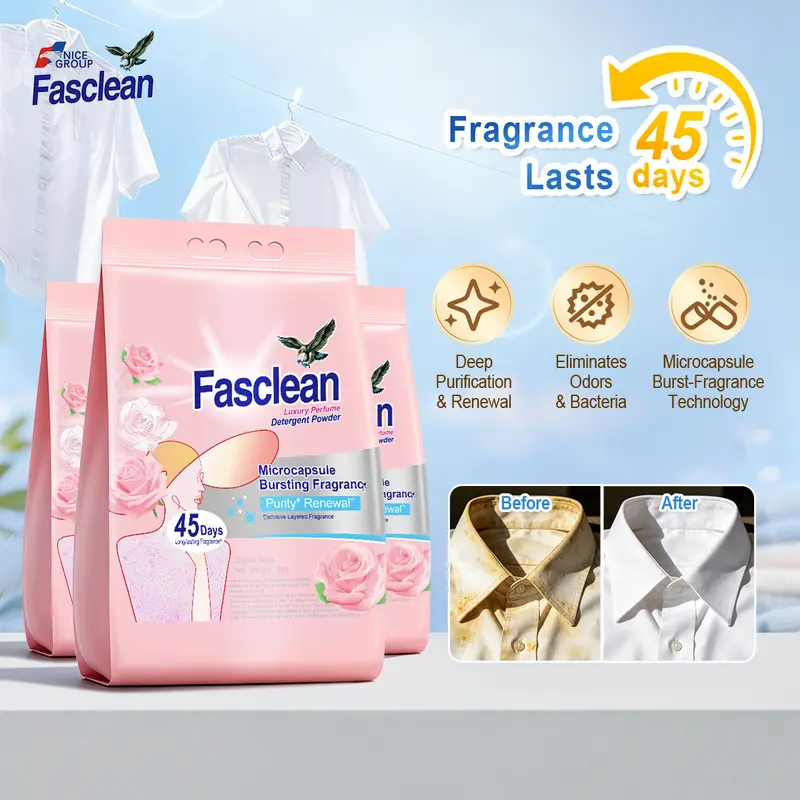
| Powder detergent | Tested in roundups; often assessed on whitening and heavy soil | Varies by formula | Some fragrance-free powders are documented | Box or bag | Depends on scoop size and pack weight |
| Detergent sheets | Assessed in some roundups, with results that vary by tester | Varies by formula | Not consistently documented | Flat pack, lightweight | Depends on sheet count per pack |
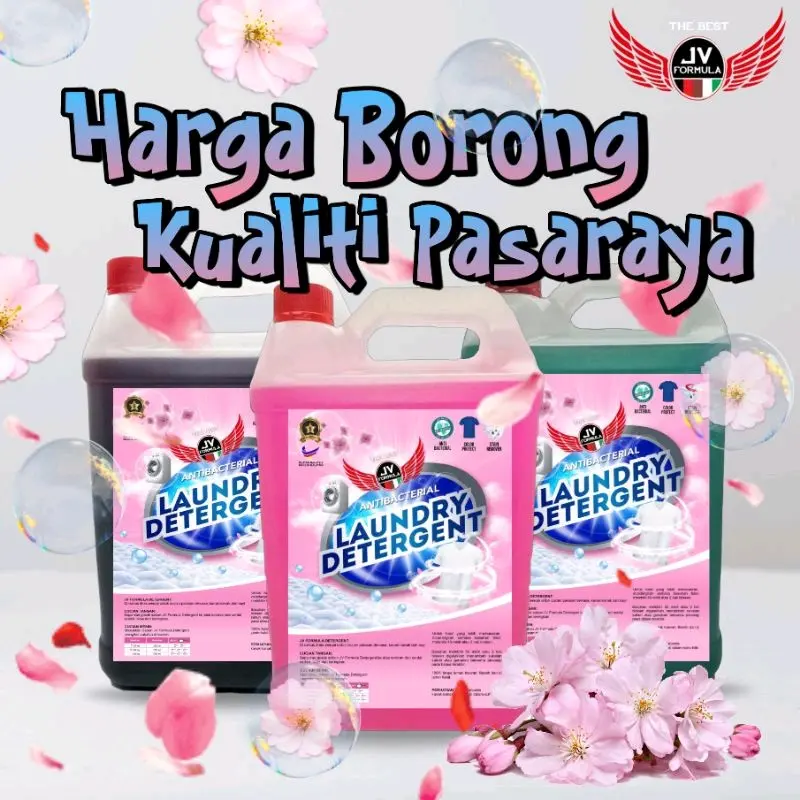
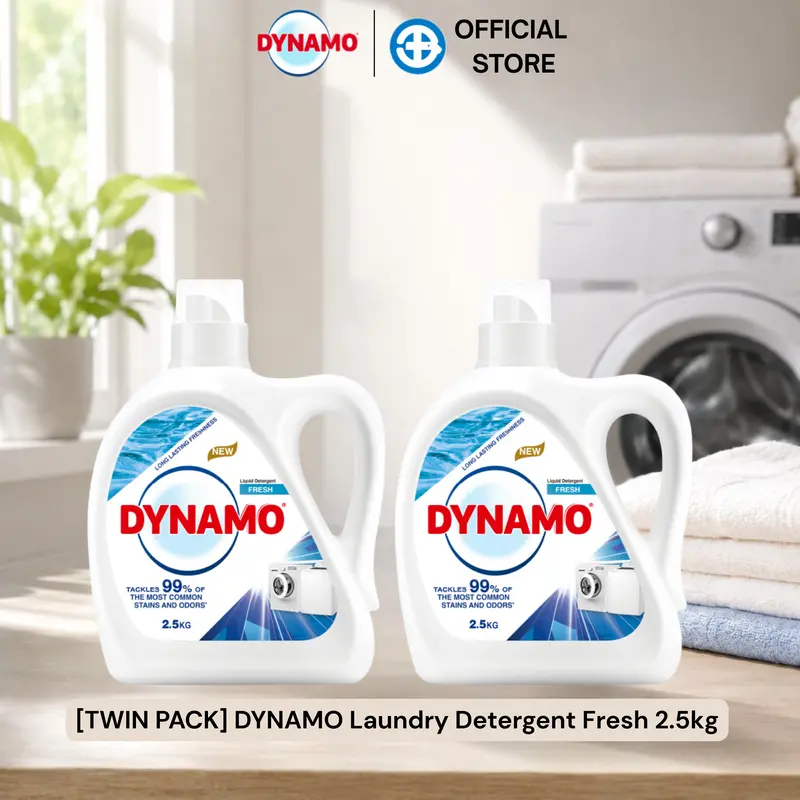
Liquid detergent dominates published rankings partly because it is the easiest form to dose precisely and the easiest to test consistently. Pods remove dosing decisions entirely, which helps consistency but removes the ability to adjust for load size or soil level. Powder remains common for whites and heavy soil, and it stores well. Sheets trade cleaning power for portability and minimal packaging, and testers have reported mixed results on stain removal relative to liquids and pods.
Before buying, work through the sequence that actually determines whether a detergent suits a household:
- Choose the form that matches the washing machine and the usual load size.
- Identify the dominant stain types in the household, such as food, sweat, mud, or oil.
- Check the care label on the garments that are washed most often.
- Establish whether the local water supply is hard or soft, since that affects how much detergent is needed.
- Decide whether scent is wanted or whether a fragrance-free formula is required.
- Calculate cost per load from pack price and the number of recommended doses.
How Stain Removal And Odour Performance Get Tested
Stain removal testing follows a recognisable pattern. A tester applies a measured amount of a standard soil to a fabric swatch, lets it set for a defined period, washes the swatch with a measured dose of detergent at a set temperature, then compares the washed swatch against an unwashed control. The comparison is often scored by instrument rather than by eye, which reduces bias but also reduces the test to a colour measurement.
Odour testing is harder to standardise. Sweat and body odour develop through bacterial activity on fabric, so a detergent that removes visible soil may still leave odour compounds behind. Some testers wash worn garments and assess smell after drying; others use treated fabric. Results depend heavily on whether the fabric was line-dried or machine-dried, because heat and airflow change what remains.
Water hardness is the variable most often held constant in testing and most often variable in real homes. Hard water contains dissolved minerals that interfere with surfactant action, so a detergent dosed for soft water may underperform in a hard-water area at the same dose. No verified hard-water data for Malaysian water supplies is available here, so the practical approach is to observe whether white residue appears on dark garments or whether scale builds up in the machine, and to adjust dose accordingly.
Temperature matters as well. Many modern formulas are designed for cooler washes, and a rating produced at a specific temperature does not automatically transfer to a different one. A detergent rated highly in a warm wash may behave differently in a cold wash, particularly on oily soils.
Sensitive Skin, Fragrance-Free, And Hard Water Considerations
Sensitive-skin suitability is the rating category with the weakest public evidence base. Fragrance is a common reported irritant in laundry products, and fragrance-free or free-and-clear formulas are the standard response. That is a formulation distinction, not a medical guarantee, and no verified dermatology or sensitive-skin certification information is available here.
Residue is the other factor. Detergent left in fabric after rinsing can cause irritation regardless of how mild the formula is, and residue is more likely when a machine is overloaded, when too much detergent is used, or when the rinse cycle is short. Reducing dose and running an extra rinse addresses residue more directly than switching brands.
Hard water interacts with both concerns. In hard water, more detergent is needed to reach the same cleaning effect, which increases the amount of residue that must be rinsed away. A household in a hard-water area may find that a fragrance-free liquid at a slightly higher dose performs better than a scented formula at a standard dose, even if the scented product carries a higher rating.
For garments that carry specific care requirements, such as traditional dress, structured uniforms, or delicate fabrics, the care label takes priority over any general rating. Where a garment's construction or embellishment makes home washing risky, professional cleaning is the more defensible route. Sinar Saredah Sdn Bhd, a laundry and dry cleaning provider serving Kuching and Miri with more than 38 years serving Sarawak, handles items including baju kurung, saree, and wedding gowns, with published per-piece pricing that excludes 8% SST.
Cost Per Load And Value In Malaysian Ringgit
Cost per load is the most misread figure in detergent ratings. It is not a property of the product. It is a calculation that depends on pack price, pack size, and the dose the manufacturer recommends, and it changes whenever any of those three changes.
No Malaysian retail prices, pack sizes, or cost-per-load figures for detergent products are supplied here, so no cost comparison can be published. What can be stated is the method. Divide the pack price by the number of recommended doses in the pack. If a concentrated formula uses a smaller dose, its cost per load can be lower than a cheaper bottle that requires a larger dose. If pods are used, divide pack price by pod count, and note that a heavily soiled load may need more than one pod, which raises the effective cost.
Value also depends on how the detergent is used. Overdosing is common and wasteful, and it increases residue. Underdosing in hard water produces poor cleaning and may lead to repeat washes, which costs more than the correct dose would have. Matching dose to load size, soil level, and water hardness is the single largest lever on real cost per load.
For households weighing home washing against professional cleaning, the comparison is not like for like. Home washing carries the cost of detergent, water, electricity, and time. Professional laundry and dry cleaning carries a per-piece or per-kilogram price. Sinar Saredah publishes base laundry rates of RM 15 per kg for wash and dry, RM 20 per kg for wash and iron, and RM 10 per kg for dry only, alongside per-piece pricing for individual garments and household items. These figures describe a cleaning service, not a detergent product, and they exclude 8% SST.
Where Ratings Stop And Local Wash Conditions Take Over
A rating describes performance under the conditions the tester chose. Once a household's conditions differ, the rating becomes a starting point rather than an answer.
The variables that most often break a rating's transferability are water hardness, wash temperature, load size, machine type, and fabric mix. A top-rated detergent dosed for a soft-water front loader may underperform in a hard-water top loader at the same dose. A formula rated for stain removal on cotton may behave differently on synthetic activewear or on fabric with embellishment.
There is also a category of laundry that detergent ratings do not address at all. Structured garments, heavily soiled workwear, upholstery, curtains, carpets, and items with delicate construction sit outside the standard swatch test. For these, the decision is not which detergent scores highest but whether home washing is appropriate. Sinar Saredah's service range covers laundry, dry cleaning, commercial cleaning, and specialist cleaning including carpet, curtain, wedding gown, shoe, and toy cleaning, which reflects the fact that some cleaning tasks fall outside a domestic washing machine.
The practical conclusion is that a rating is a filter, not a verdict. Use published rankings to narrow the field to formulas that have demonstrated stain removal under controlled conditions, then test one option against the household's own stains, water, and fabrics. Keep the dose matched to the load, watch for residue on dark garments, and treat any rating as evidence about a test bench rather than a promise about a laundry basket.
For households in Kuching and Miri that would rather not run that experiment on garments that matter, Sinar Saredah can be reached at 0176325699.