Removing Standing Water From Carpet Before Odour Sets In
Getting water out of carpet starts with stopping the source, extracting standing water with a wet-dry vacuum, and lifting the carpet to check the padding underneath.
Water on a carpet is a race between extraction and absorption. The longer liquid sits, the deeper it travels into backing, underlay, and subfloor, and the harder the drying job becomes. Speed matters more than technique in the first stage, because every minute of standing water is a minute of spreading.
This guide covers the practical sequence for a household dealing with a spill, a leaking appliance, or a sudden soak, and it flags the point where the job stops being a DIY task.
How to Get Water Out of Carpet. The First Hour
The first hour sets the outcome. Water that is removed quickly leaves less residue, less odour risk, and a shorter drying window. Water that is left to sit spreads sideways through the backing and downward into the padding, which acts like a sponge and holds moisture long after the surface feels dry.
Before touching the carpet, deal with the cause. If a pipe, appliance, or roof is still feeding water into the room, extraction is pointless until the flow stops. Where water has reached electrical outlets, power points, or appliances, the safe move is to cut power to the affected area at the breaker and keep clear until the space is confirmed safe.
Once the source is controlled, the priorities are simple: get people and pets off the wet area, move furniture and loose items clear, and start removing water rather than waiting for it to evaporate. Air drying alone is slow and leaves moisture trapped in the padding, which is where most lingering problems begin.
What to gather before starting
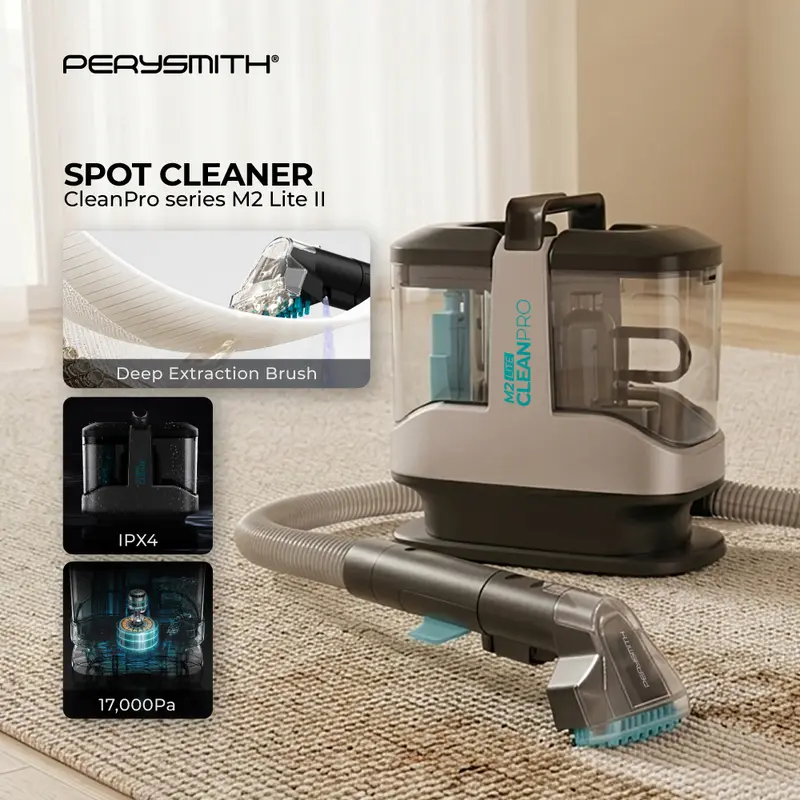
A wet-dry vacuum is the single most useful tool for extraction. A dehumidifier and one or more fans handle the drying stage. Absorbent towels or old sheets help with the initial blot, and a moisture meter, if available, gives a clearer read on whether the carpet and padding are genuinely dry rather than dry to the touch.
Household items that are not designed for water, such as a standard vacuum cleaner, should stay away from the wet area. A regular vacuum can be damaged by liquid and creates an electrical risk.
What Changes the Drying Time
Drying time is not fixed. It depends on how much water entered, how long it sat, what is underneath the carpet, and how much air movement and dehumidification the room gets. A small spill blotted promptly behaves very differently from a carpet that has been soaked through to the subfloor.
Air circulation and dehumidification work together. Fans move air across the surface and help evaporate moisture, while a dehumidifier pulls that moisture out of the air so it does not settle back into the carpet. Running fans without dehumidification in a closed, humid room can slow progress rather than help it.
Padding is the hidden variable. Carpet padding holds water and releases it slowly, so a carpet that feels dry on top can still be wet underneath. Where padding is saturated, lifting the carpet to expose the padding and subfloor gives air a path to the moisture that surface drying cannot reach.
Humidity in the surrounding air also matters. In a warm, humid climate, evaporation is slower and the air holds more moisture, which is why dehumidification carries more weight than it would in a dry room.
A Numbered Sequence for Removing Water
Working in order prevents water from being pushed deeper or spread to dry areas. The sequence below covers extraction through to the start of drying.
- Stop the water source and cut power to any affected electrical points before entering the wet area.
- Clear furniture, rugs, and loose items from the carpet and set them aside to dry separately.
- Blot surface water with absorbent towels, pressing down rather than rubbing, and replace towels as they saturate.
- Run a wet-dry vacuum over the carpet in overlapping passes, emptying the tank before it fills, and repeat until little water is pulled up.
- Lift a corner of the carpet to check the padding; if the padding is soaked, separate it from the subfloor so air can reach both.
- Position fans to move air across the carpet and padding, and run a dehumidifier to remove moisture from the room air.
- Keep the room ventilated and the equipment running until the carpet, padding, and subfloor read dry, not just dry to the touch.
- Clean or replace padding that has held contaminated water, and treat the carpet before the room returns to normal use.
Each pass with the wet-dry vacuum should pull less water than the last. When the vacuum stops lifting meaningful amounts, the remaining moisture is in the padding and subfloor, and that is where airflow and dehumidification take over.
When Carpet Cleaning Support Makes Sense
Some situations sit beyond what household equipment can handle. A large volume of water, water that has been sitting for an extended period, or water from a contaminated source such as a sewage backup changes the job from drying to remediation. In those cases, extraction and drying need to be paired with proper cleaning and, in some cases, replacement of affected materials.
Wall-to-wall carpet that has soaked through to the subfloor is also a candidate for professional support, because lifting, drying, and refitting carpet and padding without causing shrinkage or delamination takes equipment and experience. Where the affected area is large or the moisture has spread under walls or into adjoining rooms, a professional assessment is the safer route.
Sinar Saredah Sdn Bhd provides carpet cleaning services in Kuching and Miri, with small carpet cleaning priced from RM 100.00 to RM 150.00, medium carpet cleaning from RM 200.00 to RM 250.00, and large carpet cleaning from RM 300.00 to RM 350.00. The company has served Sarawak for more than 38 years and offers commercial cleaning alongside its residential services. For urgent situations, the team can be reached at 0176325699.
For commercial premises, the same logic applies at larger scale. Sinar Saredah supports facilities such as Sarawak Energy with structured cleaning for counters, offices, administration zones, and operational areas, and provides rapid deep-cleaning or fumigation support when health precautions require thorough disinfection before normal operations resume.
Moisture Checks Before the Room Returns to Normal
A carpet that feels dry is not proof that the job is finished. Moisture lingers in padding and subfloor, and returning furniture or foot traffic too early traps that moisture and can lead to odour and deterioration. A moisture meter gives a clearer reading than touch alone, and checking the padding and subfloor, not just the carpet surface, is the reliable test.
Signs that drying is incomplete include a damp or musty smell, cool patches underfoot, and discolouration at the edges of the affected area. Where any of these appear, keep the fans and dehumidifier running and recheck before restoring the room.
Once the carpet, padding, and subfloor are confirmed dry, the room can be returned to normal use. Furniture can go back, and any residual odour can be addressed with cleaning. If the smell persists after drying, that points to moisture or contamination that was not fully removed, and the area needs another look.
Common Mistakes That Keep Carpet Wet
Several habits extend drying time or cause damage. Rubbing the carpet instead of blotting pushes water deeper into the fibres and backing. Skipping the padding check leaves a reservoir of moisture under a surface that feels dry. Running fans without a dehumidifier in a closed room recirculates moisture rather than removing it.
Using a standard vacuum on wet carpet risks damage to the appliance and creates an electrical hazard. Leaving furniture in place over wet carpet traps moisture and can stain or warp the carpet and the furniture. Waiting to see whether the carpet dries on its own is the most costly mistake, because trapped moisture in padding and subfloor is where odour and deterioration begin.
Replacing the carpet before the subfloor is dry is another common error. If the subfloor still holds moisture, a new carpet and padding will absorb it and the problem returns. Drying the structure first, then restoring the carpet, is the order that holds.
Where water has come from a contaminated source, cleaning alone is not enough. Affected padding and, in some cases, carpet need to be removed and replaced rather than dried in place, because contamination does not dry out of the material.