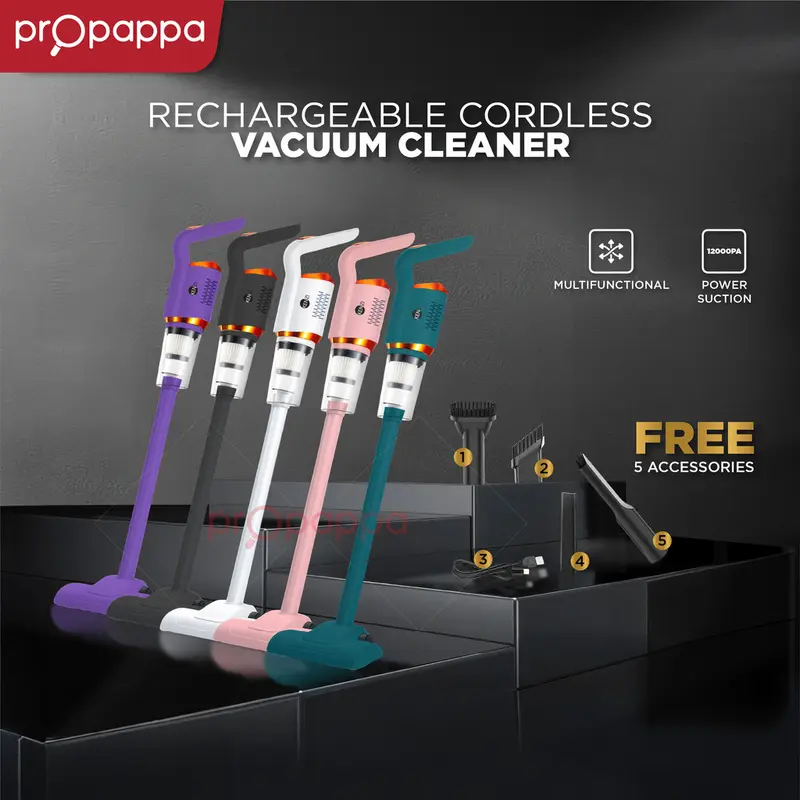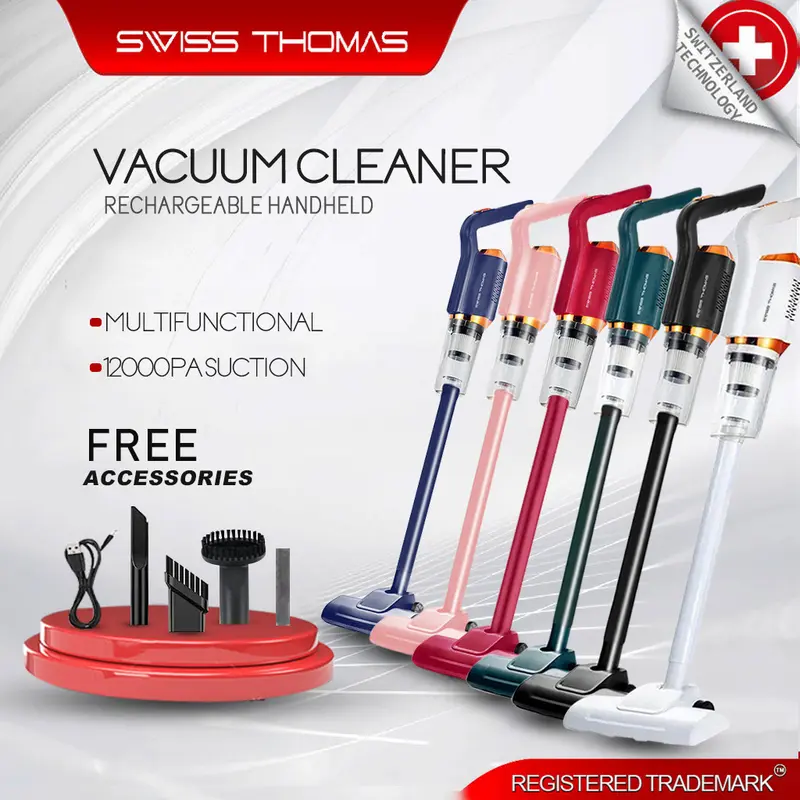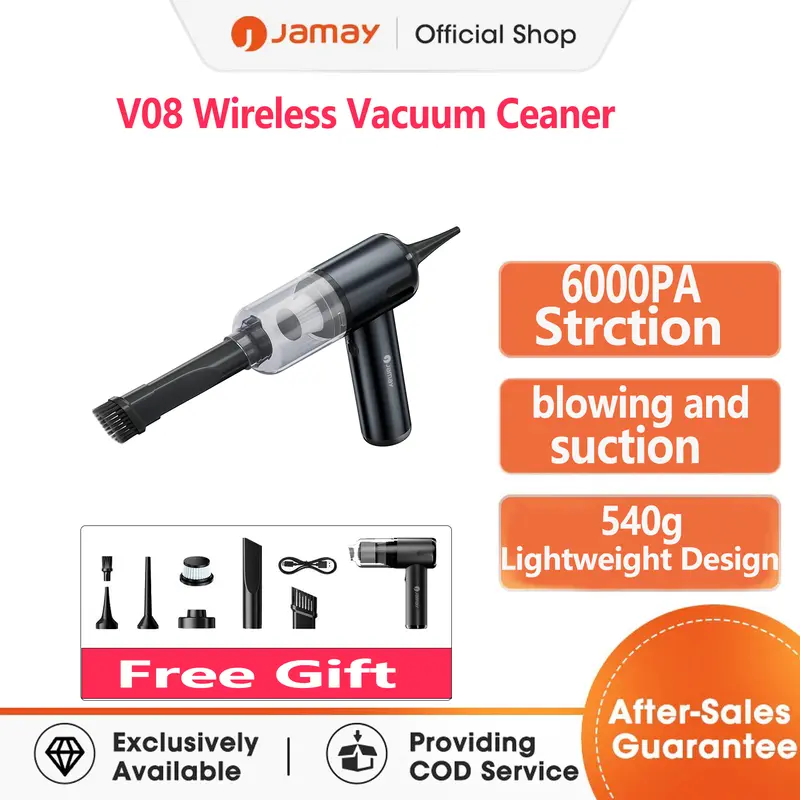















The compact vacuum market splits into a few clear formats, and each one suits a different kind of mess. Buyers comparing options for the best small vacuum usually start with where the dirt lives: a car footwell, a kitchen counter, a stair carpet, or a desk area. That single question narrows the field faster than any specification list.
Best Small Vacuum: What Matters Before You Choose
A small vacuum is a cleaning tool built for reach and storage rather than whole-home coverage. It is light enough to carry in one hand, compact enough to keep in a cupboard or car boot, and designed around quick pickups instead of long cleaning sessions.
Size is relative, so the practical test is whether the unit fits where the mess happens. A handheld that lives in a glovebox solves a different problem from a stick vacuum that hangs in a utility corner. Both count as small vacuums, but they are not interchangeable.
Compact models trade capacity for convenience. A smaller dustbin fills faster, and a smaller battery usually means shorter cleaning windows. That trade-off is acceptable for spot cleaning and frustrating for anyone expecting to clean a whole house in one pass.
Small Vacuum Types Compared
Three formats dominate compact cleaning, and the differences matter more than brand names.
Handheld vacuums are the smallest option. They suit car interiors, sofa crevices, keyboard dust, and stair edges. Most run on batteries, and many include a crevice tool or brush. Their limits are small dustbins and short run times.
Stick vacuums combine a handheld body with a floor head and wand. They handle both bare floors and low-pile carpet, which makes them the most versatile compact choice for apartments. They are larger than handhelds but still store upright in a narrow space.
Compact upright and canister models sit at the larger end of the small category. They hold more debris and often deliver steadier suction, but they take up more room and are harder to carry up stairs or out to a car.
For a car-first buyer, a handheld is usually enough. For an apartment with mixed flooring, a stick vacuum covers more ground per charge. For an office with regular traffic, a compact upright or canister reduces how often the dustbin needs emptying.
Suction, Power Source, and Run Time
Suction, power source, and run time form a triangle. Improving one usually costs something elsewhere, and no compact vacuum wins on all three at once.
Corded models draw continuous power, so suction does not fade while cleaning. The trade-off is a cable that limits reach and adds setup time. Cordless models remove the cable but depend on a battery that drains, and suction on many cordless units drops as the charge falls.
Battery run time is the number buyers notice most. A short run time suits one car interior or a quick kitchen pass. Longer run times support a full apartment clean, but they usually come with a heavier body or a larger battery. Removable batteries extend working time, though not every compact model offers them.
Suction claims deserve caution. Airflow, seal quality, and floor head design all affect pickup, so a headline suction figure alone does not predict real cleaning performance. Buyers should treat manufacturer numbers as one input among several rather than a final verdict.
Attachments and Everyday Cleaning Tasks
Attachments decide whether a compact vacuum actually gets used. The motor matters less than whether the right tool reaches the mess.
A crevice tool handles seat rails, skirting gaps, and between cushions. A soft brush lifts dust from vents, keyboards, and delicate surfaces. A motorised brush roll improves pet hair pickup on carpet and upholstery, where a plain nozzle tends to push hair around instead of collecting it.
Pet hair is a common reason buyers move to a compact vacuum, and it is also where cheap models struggle. Hair wraps around brush bars and clogs narrow inlets. Models with tangle-resistant brush designs reduce that maintenance, though no compact vacuum eliminates it entirely.
Filtration matters for anyone with allergies. A HEPA filter traps finer particles than a standard filter, but it only helps if the vacuum's seals hold and the filter is cleaned or replaced on schedule. A clogged filter cuts suction long before the motor shows any problem.
Car cleaning adds its own requirements. A vacuum used in a vehicle needs a long enough nozzle to reach under seats, a dustbin that empties without spilling, and a body that survives being stored in heat. Apartment cleaning favours a wider floor head and enough run time to cover several rooms. Office cleaning rewards a larger dustbin and simple emptying between uses.
Storage, Care, and Buying Checks
Storage decides whether a compact vacuum stays convenient or becomes clutter. Wall mounts, charging docks, and folding wands all reduce the footprint, but they need a power point and a wall that can take the weight.
Care is straightforward but easy to neglect. Empty the dustbin after each use, rinse or replace filters as the manufacturer directs, and clear hair from the brush bar before it binds. Batteries last longer when stored at moderate charge rather than left flat for months.
Before buying, work through the checks that separate a useful compact vacuum from a disappointing one.
- Measure the storage spot, including height clearance for a dock or wall mount.
- List the surfaces to be cleaned, such as car upholstery, bare floor, low-pile carpet, or tight crevices.
- Decide whether a cable is acceptable or whether cordless operation is essential.
- Estimate the cleaning time needed per session and compare it against the stated run time.
- Check which attachments are included and whether the ones needed are sold separately.
- Confirm the dustbin volume and how easily it empties.
- Check filter type and how often replacement filters must be bought.
- Confirm local availability, warranty terms, and where servicing is handled.
Two constraints deserve attention before any purchase. First, compact vacuums are supplements, not replacements, for a full-size vacuum in a home with wall-to-wall carpet. Second, battery-powered models age: cells lose capacity over years, and a model with a non-replaceable battery has a shorter useful life than one with a swappable pack.
Buyers weighing the best small vacuum for Malaysian homes should also check that the plug type, voltage, and charger match local supply, and that spare filters and brushes can be sourced locally. A capable vacuum with no available consumables becomes a paperweight.
For facilities where cleaning is handled as a contracted service rather than with in-house equipment, Sinar Saredah Sdn Bhd provides commercial cleaning in Kuching and Miri, with per-day cleaning priced from RM 100.00 to RM 500.00 for short-term, one-off, or urgent work. The company has served Sarawak for more than 38 years and also handles carpet cleaning from RM 100.00 to RM 150.00 for small carpets and curtain cleaning at RM 40 per kilogram.
For questions about scheduled cleaning support, call 0176325699.