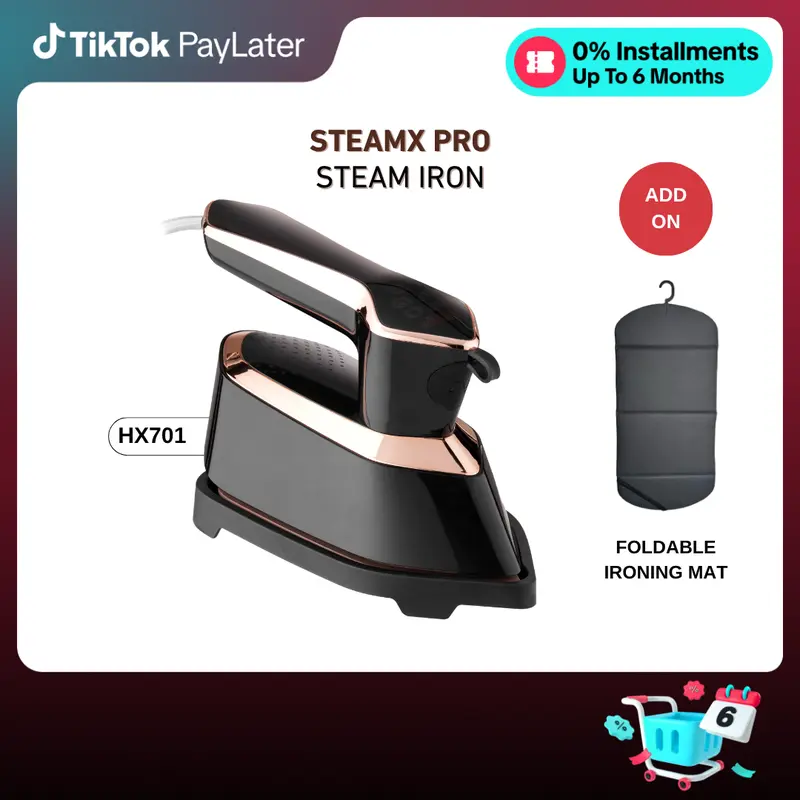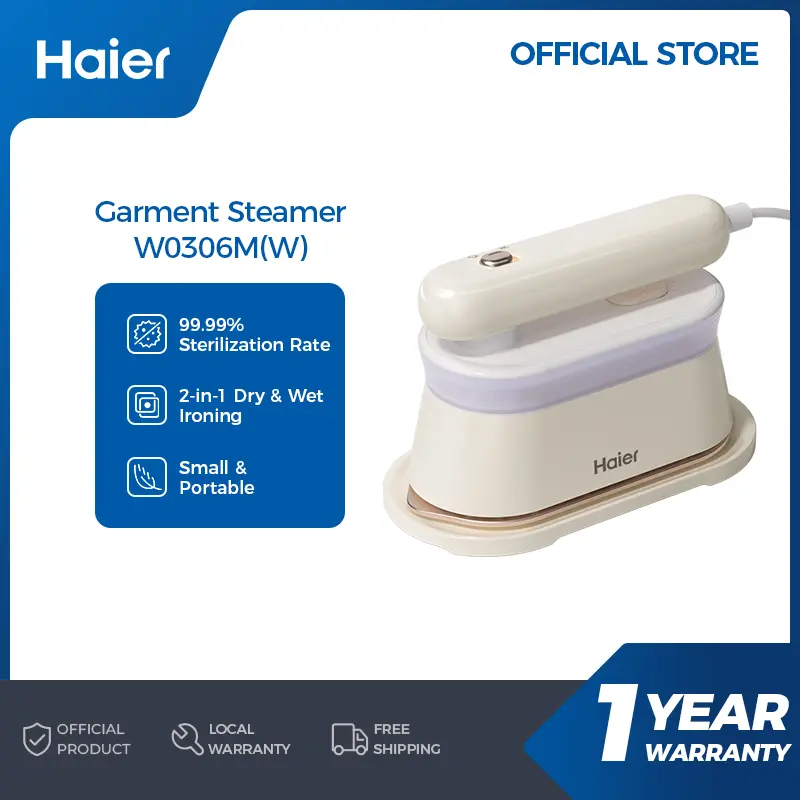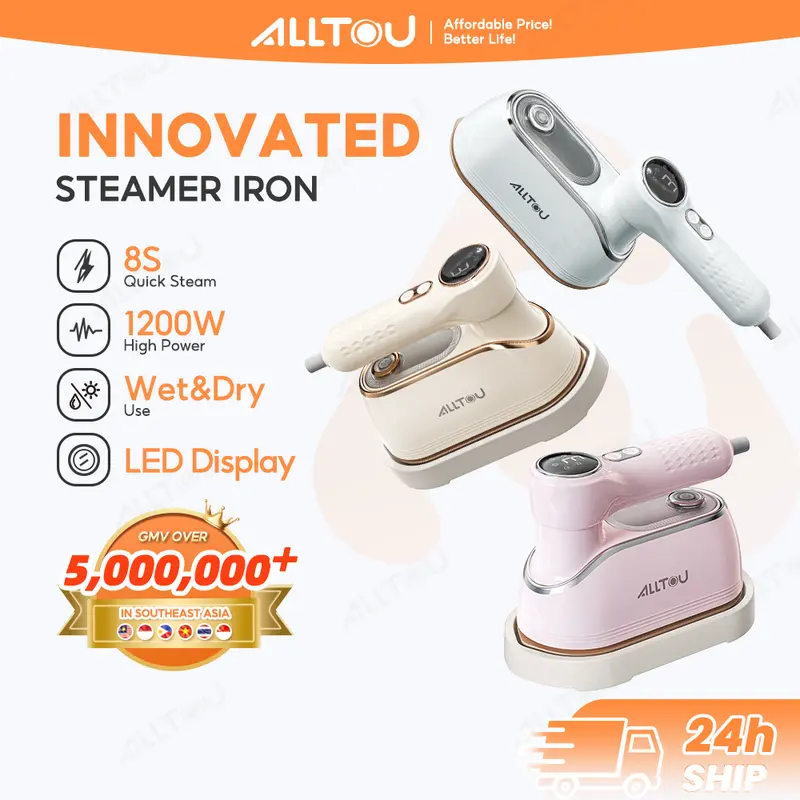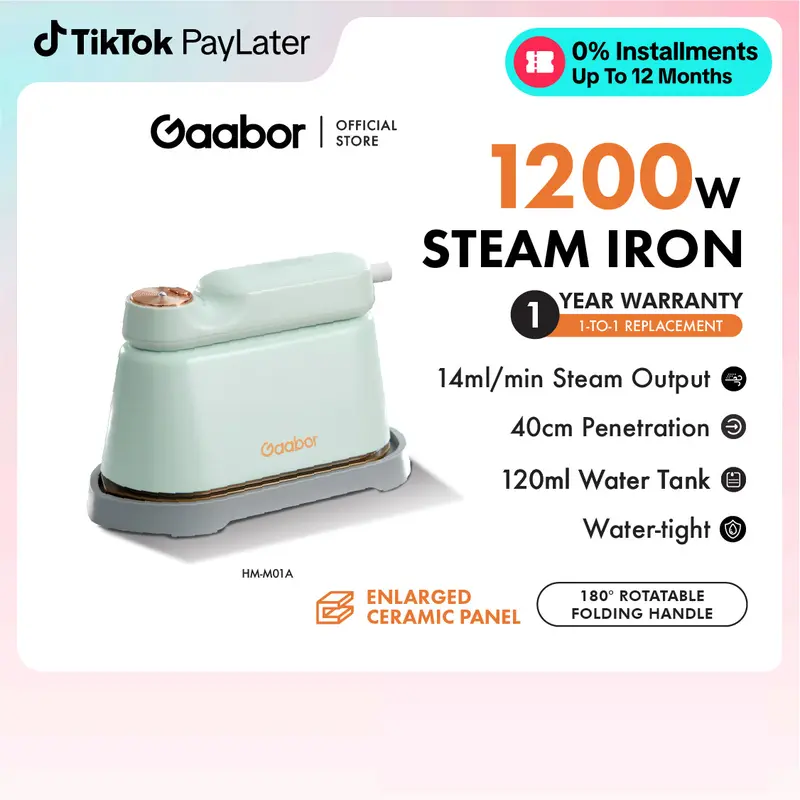













The brand appears in retail listings under several model families, including the SF-407 Everyday Fabric Steamer, the SF-567 Full-Size Upright Garment and Fabric Steamer, the Nomad Handheld Travel Garment Steamer, the Virtuoso Handheld Garment Steamer, the VALET Handheld Garment Steamer, the SF-520 Garment Steamer with Telescopic Pole, the SF-623 Mid-Size Fabric Steam Press, the i3 Travel Steam Iron, the SF-707 Mighty Steam Iron, and the SF-710 Portable Mini Steam Iron. Those names come from retail catalogue listings rather than manufacturer specification sheets, so the model list is a starting point for research, not a verified technical comparison.
What a Steamfast Steamer Does to Fabric
Steam relaxes the fibres in woven and knitted cloth. When hot vapour passes through fabric, the fibres soften, the weight of the hanging garment pulls them straight, and wrinkles release without the pressure of a hot soleplate. That is why a garment steamer is often chosen for delicate material, for garments with structure that a flat iron would crush, and for pieces that cannot be laid flat easily.
Steamfast describes its SF-407 Everyday Fabric Steamer as penetrating fabrics with hot steam, relaxing fibres, releasing wrinkles faster than ironing, and freshening clothes in seconds, while remaining gentle on delicate fabrics. That description comes from the product page itself and is the clearest statement of intended function available for the range.
The practical difference between steaming and ironing matters in three situations. A steamed garment can be treated while hanging, so there is no board to set up. Steam reaches around buttons, pleats, and gathered seams where a soleplate struggles. Steam also refreshes a garment that is not dirty but has picked up creases from storage or travel, which reduces unnecessary washing.
Steam is not a substitute for cleaning. It does not remove oil-based stains, and it does not replace laundering or dry cleaning for soiled items. A steamer handles the appearance layer of garment care; washing and dry cleaning handle the hygiene layer.
Steamfast Steamer Models and Their Differences
The range splits into four practical groups, and the group matters more than the individual model number when comparing options.
Handheld garment steamers are the travel and quick-touch group. The Nomad, Virtuoso, and VALET sit here. They are built for one or two garments at a time, they store in a drawer or a suitcase, and they suit a person who needs a shirt wearable in a few minutes rather than a whole wardrobe refreshed in one session.
Full-size upright steamers are the volume group. The SF-567 and the SF-520 with telescopic pole sit here. These carry a larger water tank, stand on the floor, and hold a garment on a hanger while steam is applied. They suit a household that steams regularly, or a small business that handles uniforms, curtains, or repeated garment loads.
Fabric steam presses are the flatwork group. The SF-623 Mid-Size Fabric Steam Press sits here. A press applies heat and pressure across a flat surface, which suits linen, tablecloths, and flat seams rather than hanging garments.
Travel steam irons are the hybrid group. The i3, SF-707, and SF-710 sit here. They combine a small heated soleplate with steam, which suits a traveller who wants both a press and a steam refresh in one compact unit.
How to Compare a Steamfast Steamer Before Buying
Comparison should follow a fixed order so that a lower price does not hide a mismatch with the intended use. Work through these points in sequence.
- Decide the form factor first. handheld for travel and single garments, upright for regular household volume, press for flatwork, or travel iron for a hybrid.
- Check the water tank size against the number of garments expected in one session, because a small tank means refilling mid-task.
- Check the stated heat-up time, since a short wait suits rushed mornings and a longer wait suits planned sessions.
- Check the continuous steam duration, which sets how long the unit runs before a refill is needed.
- Check the fabric guidance for the intended garments, particularly for delicate, embellished, or heat-sensitive material.
- Check the power rating and confirm the plug and voltage suit the country of use, which matters for a travel unit bought abroad.
- Check the warranty terms and the availability of replacement parts or an owner's guide.
- Check the physical footprint and storage space, because an upright unit needs floor space and a handheld does not.
Two of those points are frequently skipped. Voltage matters because a travel steam iron bought for one market may not suit another without a converter. Tank size matters because a handheld with a small reservoir is fine for one shirt and frustrating for five.
Which Steamfast Steamer suits which situation
A single professional steaming one outfit before work fits a handheld. A household steaming school uniforms, work shirts, and curtains through the week fits an upright. A quilter or sewer pressing flat seams fits a steam press. A frequent traveller who wants both a press and a refresh fits a travel steam iron.
Where two groups overlap, the deciding factor is usually volume. If more than two or three garments are steamed in one sitting, a handheld becomes a refill cycle rather than a convenience.
Where a Steamfast Steamer Fits in a Malaysian Home
Malaysian households commonly deal with a mix of fabrics that do not all respond to the same treatment. Cotton uniforms, baju kurung, baju Melayu, songket, saree, and formal office wear each behave differently under heat. A steamer is often the gentler option for the structured and embellished pieces, while a press suits flat cotton and linen.
Humidity is the other local factor. In a humid climate, garments stored in a wardrobe can pick up soft creases without being worn, and a quick steam refresh handles that without a full wash cycle. That reduces wear on fabric and reduces water and detergent use over time.
There is also a division of labour worth recognising. A steamer handles light creasing and freshening at home. Heavier finishing, starching, and cleaning of structured or delicate garments is work that a laundry and dry cleaning service handles, and in Sarawak that service is available in Kuching and Miri. Sinar Saredah Sdn Bhd has served Sarawak for more than 38 years and publishes per-item pricing for wash, iron, pressing, and dry cleaning, including baju kurung, baju Melayu, saree, songket, and wedding gowns, with prices excluding 8% SST. A household that steams daily and sends structured pieces out for finishing is using both tools for what each does best.
What to Confirm Before Choosing a Steamfast Steamer
Several details cannot be confirmed from the evidence available here, and a buyer should verify them at the point of purchase rather than rely on a summary.
Technical specifications are the main gap. Wattage, tank capacity in millilitres or fluid ounces, heat-up time in seconds, continuous steam duration in minutes, and warranty length are not verified for any model in this article. Retail listings quote figures such as 1500W, 45-second heat up, 96 minutes of continuous steam, and an 86 fl oz detachable water tank for the SF-567, and 800W with a 30-second heat up and an 11-minute steam duration for the Nomad, but those figures come from a retail catalogue rather than a manufacturer specification sheet and should be checked against the official product page before purchase.
Malaysian pricing and availability are also unverified. No distributor information for Steamfast products in Malaysia is present in the evidence reviewed, so a buyer should confirm local stock, plug type, voltage compatibility, and warranty coverage with the seller.
Fabric suitability is the third point to confirm. Delicate, coated, or heat-sensitive material should be tested in an inconspicuous area first, and any garment with a care label instruction against steam should follow that label.
For readers weighing whether to buy a steamer at all, the honest answer is that it depends on volume and fabric mix. A household that mostly wears cotton and sends formal wear out for finishing gains less from owning a steamer than a household that wears structured or delicate garments daily. Where the decision is close, the cost of occasional professional pressing is a reasonable comparison point against the purchase price of a unit that may sit unused.
Sinar Saredah Sdn Bhd can be reached on 0176325699 for laundry, dry cleaning, and pressing enquiries in Kuching and Miri.