










Steam works on fabric differently from an iron. An iron flattens wrinkles with a hot plate pressed against the cloth, while a steamer releases heated vapour that loosens fibres so creases fall away. That difference matters for anyone weighing a Shark Fabric Steamer against a conventional iron, because the two tools suit different fabrics, different spaces, and different routines.
This page explains what the appliance does, the model names that appear in current listings, how steaming compares with ironing, what upkeep involves, and what to confirm before buying in Malaysia. Where a specification has not been verified against an official Shark or SharkNinja source, it is not stated here.
What a Shark Fabric Steamer does to fabric
Heat and moisture do the work. Water is heated inside the unit, converted to vapour, and directed through a nozzle or head onto the garment. The vapour penetrates the weave, the fibres relax, and gravity plus a light downward pull removes the crease. Because there is no hot plate in direct contact, the fabric is not pressed flat against a surface.
That mechanism produces two practical effects. Wrinkles soften without the shine that a hot iron can leave on some fabrics, and garments can be treated while hanging, so there is no board to set up. The trade-off is that steam does not create a sharp crease or a crisp edge the way a press does, so pleats, trouser creases, and formal shirt fronts may still need an iron.
Steaming is also used to refresh rather than to clean. It can lift light odours and relax a garment that has been sitting in a wardrobe, which is why it fits between a full wash and a full press in a normal clothing routine.
Models and naming seen in current listings
Shark has used several product names across its garment care range, and the naming is not always consistent between retailers. The GS300 appears in listings as the Shark Professional Fabric Steamer and as the Shark GS300 Portable Professional Fabric Garment Steamer. The GS500 appears in retailer listings as the Shark GS500 Press & Refresh Garment Fabric Steamer, and SharkNinja publishes a support article for a GS500W Press & Refresh Garment Care System.
Those names describe the same broad category of appliance, but they are not interchangeable model numbers. A listing title, a support article, and a retailer page can each use a different label for the same product family. Before comparing anything, the model code on the box or the support page is the reliable identifier.
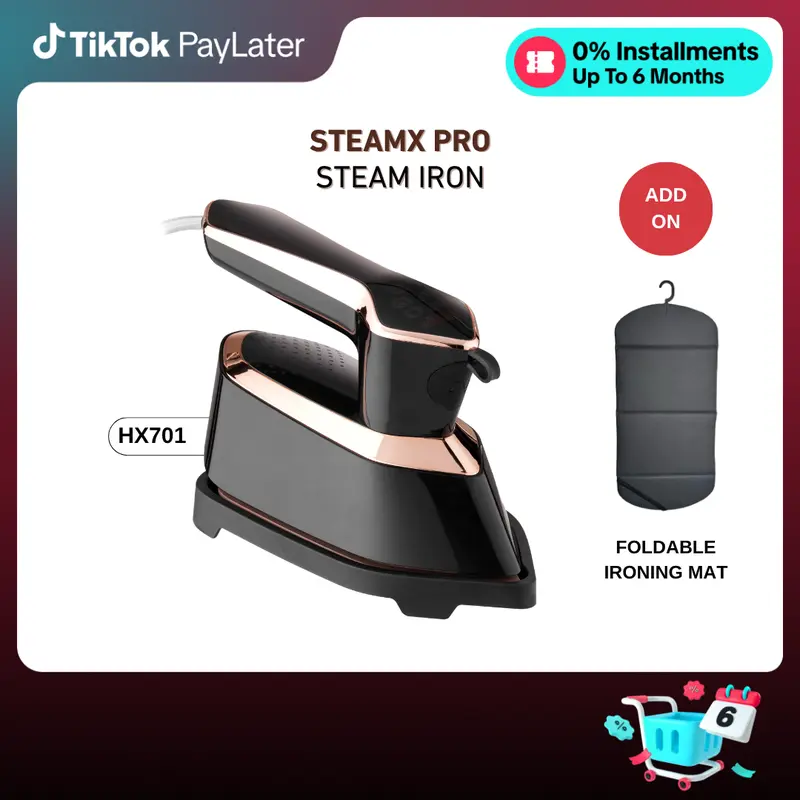
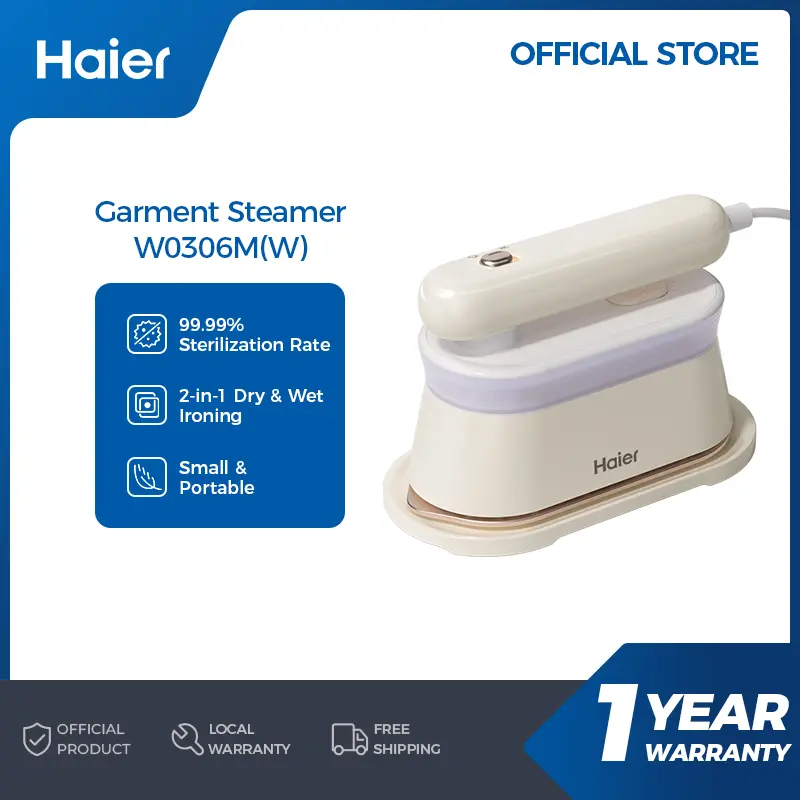
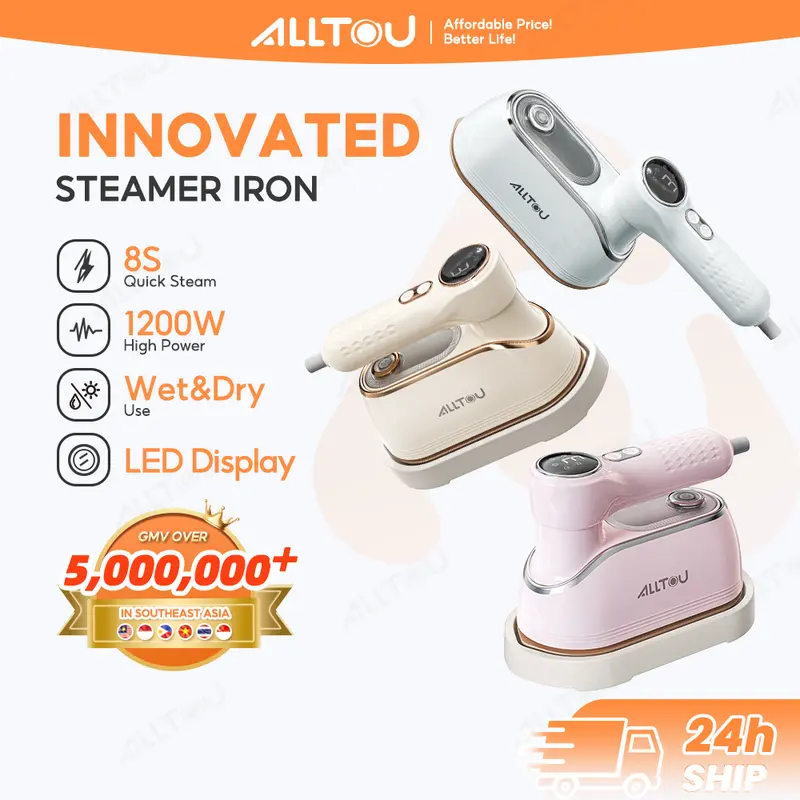
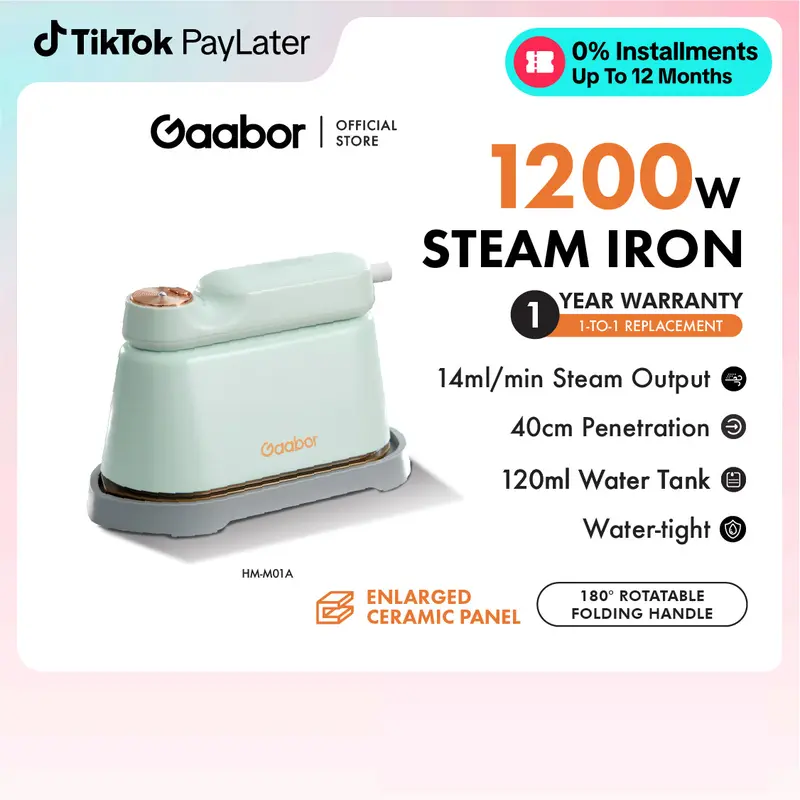
Shark's range has also included handheld and upright formats. A handheld unit is small and aimed at quick touch-ups, while an upright or pole-mounted unit holds more water and is designed for longer sessions with garments hanging from a built-in hook. The format affects how long a session can run and how much space the appliance occupies when stored.
How steaming compares with ironing
The two methods solve overlapping but distinct problems. An iron applies heat and pressure to set a flat finish. A steamer applies heat and moisture to relax fibres without pressure. Neither replaces the other across every garment.
Steaming tends to suit fabrics that are difficult or risky to press: delicate weaves, garments with embellishment, structured pieces that cannot be laid flat, and clothing that needs a quick refresh before being worn. Ironing tends to suit items that need a defined edge or a formal finish, including cotton shirting, pleated skirts, and trousers with a pressed crease.
There is also a time and space difference. Steaming a hanging garment takes only the time to pass the head over the cloth, and the appliance can sit on a shelf. Ironing requires a board, a heat setting chosen per fabric, and a cool-down period before storage. For households with limited floor space, that difference often decides the choice.
One constraint applies to both. heat and moisture can affect fabrics that are not colourfast or that carry a finish. Checking the care label before treating any garment is the safe starting point, and a hidden area is the sensible place to test.
Water, heat-up, and routine care
Every steamer depends on water quality and water level. The tank must be filled before a session, and the unit needs time to reach steaming temperature. Because verified figures for tank capacity, heat-up time, and continuous run time were not supplied for the models discussed here, those numbers should be read from the specific model's own product page or owner's guide rather than assumed.
What can be said generally is that mineral content in tap water is the main long-term risk. Repeated heating leaves scale deposits inside the unit, and scale reduces performance over time. Manufacturers commonly address this by recommending distilled or filtered water and by publishing a descaling or flushing procedure for the model. SharkNinja's support pages for its garment care systems cover water filling, cleaning, and descaling for the specific product.
A user report on a Woot forum thread about the GS300 described oxidation and rust in steamer components and mentioned distilled water and vinegar flushing as maintenance. That is one owner's account, not an official instruction, and it should not be treated as a manufacturer procedure.
Routine care is otherwise simple: empty the tank after use rather than leaving water standing, let the unit cool before storage, and keep the nozzle clear. Leaving water in a warm tank for long periods is the habit most likely to shorten the appliance's working life.
What Malaysian buyers should confirm before purchase
Availability and support matter as much as the appliance itself. A model sold in another market may not have a local service route, and a plug or voltage difference can make an imported unit impractical. The checks below are the ones that decide whether a purchase is workable in Malaysia.
- Confirm the exact model code and check it against the official Shark or SharkNinja product page, so the specification being compared belongs to the unit actually being bought.
- Check the fabric guidance for that model, and test on a hidden area of any garment whose care label is unclear.
- Read the tank capacity and heat-up time from the official source, then judge whether the session length suits the number of garments to be treated.
- Confirm the voltage and plug type match Malaysian supply, particularly for units sourced from overseas sellers.
- Ask the seller about local warranty coverage, who handles a fault, and where replacement parts such as filters or seals can be obtained.
- Compare the total cost of the appliance against the cost of having the same garments professionally pressed, since a steamer only pays for itself if it replaces enough routine pressing.
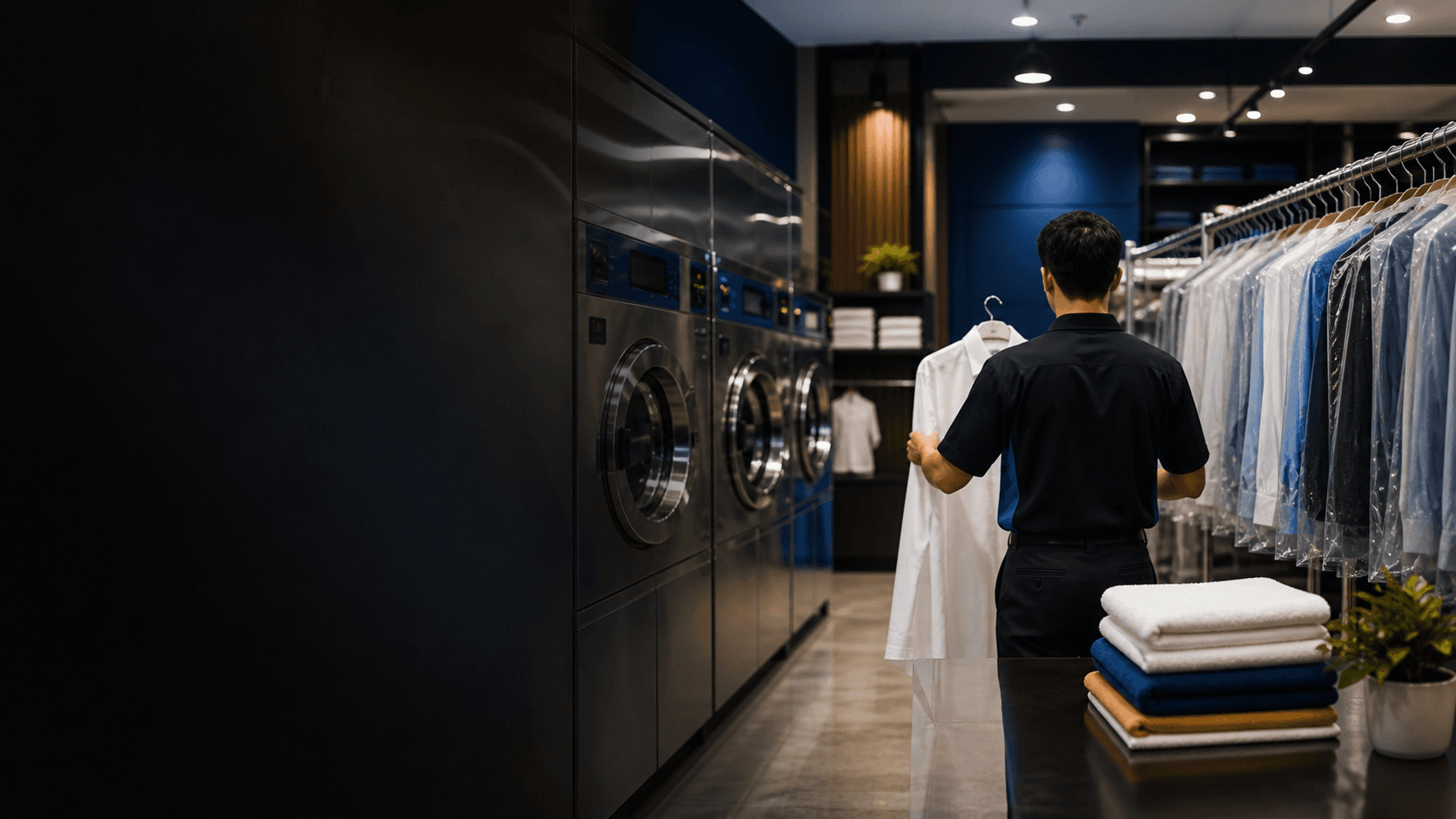
On that last point, local pricing is a useful benchmark. Sinar Saredah Sdn Bhd, a laundry and dry cleaning provider operating in Kuching and Miri with more than 38 years serving Sarawak, publishes pressing-only rates that include RM 3 for a short-sleeve shirt, RM 3.50 for a long-sleeve shirt, RM 4 for trousers, and RM 15 for a baju kurung set, excluding 8% SST. Dry cleaning rates include RM 25 for a two-piece baju kurung and RM 20 for a plain dress. Those figures give a household a way to compare the cost of owning a Shark Fabric Steamer against paying per garment.
For readers in Sarawak, Sinar Saredah also handles items that a household steamer is not designed for, including curtains at RM 40 per kilogram, comforters, and wedding gowns. A steamer is a touch-up tool; larger or structured pieces generally go to a professional service.
Where a garment is heavily soiled rather than merely creased, steaming is the wrong first step. Steam relaxes fibres and can set a stain, so washing or dry cleaning comes first and steaming comes after.
Questions that decide the purchase
Is a suitable for delicate fabrics
Steaming avoids direct contact with a hot plate, which is why it is often chosen for delicate weaves and embellished garments. The care label remains the authority for any individual item, and an inconspicuous test is the practical safeguard.
Can a steamer replace an iron completely
Not for garments that need a sharp crease or a formal pressed finish. Cotton shirting, pleated pieces, and trousers with a defined crease generally still need an iron or a professional press.
Does the appliance need distilled water
Water quality drives scale build-up, and scale is the main cause of declining performance. The specific model's owner's guide states the water recommendation and the descaling procedure, and that guidance should be followed rather than a general rule.
Is a available in Malaysia
Local availability, pricing, and warranty terms were not verified for this page, so those details should be confirmed with a Malaysian retailer or the official SharkNinja support channel before purchase. An imported unit carries additional risk around voltage, plug type, and service access.
For households that would rather not manage an appliance at all, or that need curtains, comforters, or formal wear handled properly, Sinar Saredah Sdn Bhd can be reached at 0176325699.