













Fabric work depends on heat and pressure more than on brand names. A steam iron for sewing has to flatten seams, set fusible interfacing, and press yardage without scorching or leaving water marks. The notes below cover what separates a workable pressing tool from a frustrating one, and where a laundry service fits when a project outgrows a home setup.
Best Steam Iron For Sewing. What Matters Before Choosing
Most irons sold for household clothing care are built for large flat surfaces and quick passes. Sewing asks for the opposite. short, precise movements, repeated heat cycles, and steam that arrives dry. That mismatch explains why many sewists replace a general-purpose iron after a few projects.
Four attributes carry most of the decision weight.
- Heat stability — the soleplate should return to temperature quickly after each press rather than drifting down during a long session.
- Steam quality — dry steam with an anti-drip system prevents water spotting on silk, interfacing, and light cottons.
- Soleplate shape — a pointed tip reaches into seam allowances, collars, and small quilt blocks that a wide plate cannot.
- Weight and cord — enough mass to press without leaning hard, plus a cord long enough to reach the end of a cutting table.
Heat recovery and steam output both matter, because an iron that cycles unevenly will not press a seam cleanly no matter how it is rated.
Choosing the Right Steam Iron For Sewing
The right pick depends on what is being pressed and how often. A quilter pressing large backing panels has different needs from someone setting fusible interfacing on small appliqué shapes.
Match the iron to the work
Garment sewing rewards a full-size iron with strong steam and a sharp point, because seams, darts, and curved hems need concentrated pressure. Quilting rewards the same heat stability but often favours a lighter unit that can be lifted repeatedly across a large top. Small-piece work, including doll clothes and appliqué, is usually easier with a compact iron that reaches into tight corners.
Where a home setup stops being enough
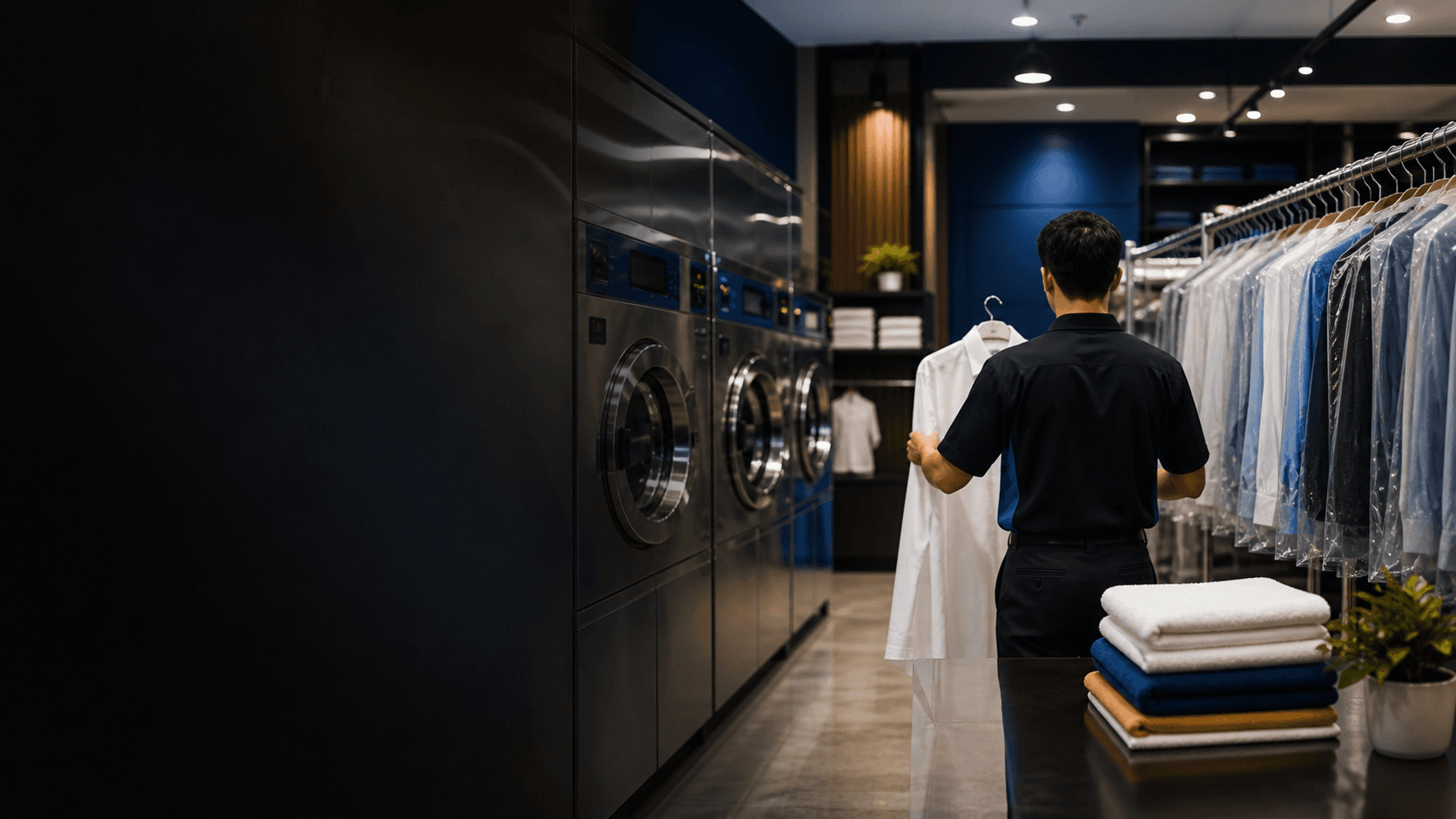
Some fabrics and finished pieces exceed what a domestic iron can handle safely. Structured garments, heavily soiled linens, and large household textiles often need commercial pressing rather than a home board. Sinar Saredah Sdn Bhd, a laundry and dry cleaning provider in Kuching and Miri with more than 38 years serving Sarawak, lists pressing-only rates for garments such as blouses at RM 3 to RM 3.50, trousers at RM 4, and dresses at RM 10 to RM 20, with an 8% SST applied separately. Household pressing covers bedsheets at RM 3 to RM 4, duvet covers at RM 5, and pillow cases at RM 2.
Those rates matter for a practical reason. When a sewing project produces a finished garment that needs a crisp professional finish, or when household linens pile up faster than a home iron can clear them, sending the pressing out is often cheaper than buying a second iron.
What Is a Steam Iron for Sewing?
A steam iron for sewing is an iron used during construction and finishing rather than only for removing wrinkles from finished clothing. It is the same category of appliance, but the way it is used changes which features matter.
In sewing, the iron is a construction tool. Pressing a seam open sets the stitches and flattens the bulk before the next seam is sewn. Pressing fusible interfacing bonds adhesive to fabric under heat. Pressing a hem creates a crease that holds without pins. Each of these steps depends on consistent temperature and controlled steam, which is why sewists tend to care about heat recovery and anti-drip behaviour more than about cord reels or auto-off convenience.
Steam generators and compact vapor units appear often in sewing discussions because they separate the water tank from the iron, which reduces spitting and keeps the plate hot for longer sessions. Standard steam irons remain common because they are lighter and easier to manoeuvre over small pieces.
Practical Considerations for Steam Iron For Sewing
Several constraints show up repeatedly once an iron is in regular use.
Water and maintenance
Tap water leaves mineral deposits that eventually clog steam vents and cause spitting. Distilled water reduces that build-up, and a self-clean or anti-calc function helps clear what accumulates. Skipping maintenance shortens the working life of any iron regardless of price.
Auto off and long sessions
Automatic shut-off is a safety feature that becomes an annoyance during long pressing runs, because the iron cools while the sewist is at the machine. Some models restore heat quickly after motion resumes; others take long enough to interrupt the workflow. This is a genuine trade-off between safety and convenience rather than a defect.
Weight cord and board
A heavier iron presses with less effort but tires the wrist over a long session. A cord that catches on the board edge or drags across fabric slows every movement. The pressing surface matters too: a stable board with firm padding supports the pressure that seam setting requires, and a wobbly board undermines even a good iron.
Fabric specific limits
Delicate fabrics, some synthetics, and certain coated materials cannot take high heat or direct steam. Testing on a scrap of the same fabric before pressing the actual piece avoids the most common and most expensive mistake in garment construction.
Making an Informed Choice About
The decision narrows quickly once the work is defined. A sewist pressing garments regularly benefits most from heat stability, strong dry steam, and a pointed soleplate. Someone working mainly on small pieces benefits from a lighter, more manoeuvrable iron. A quilter pressing large panels benefits from a unit that holds temperature across a long session without spitting.
Budget changes the mix but not the priorities. Lower-cost irons can still deliver steady heat and a good tip; what they usually lack is steam volume, faster recovery, or durable soleplate coatings. Paying more tends to buy consistency rather than a different category of performance.
For finished garments and household textiles that need a professional press, or for volume that a home iron cannot clear, Sinar Saredah Sdn Bhd handles pressing and dry cleaning from its Kuching and Miri locations, open every day including public holidays from 7am. Call 0176325699 for details.